
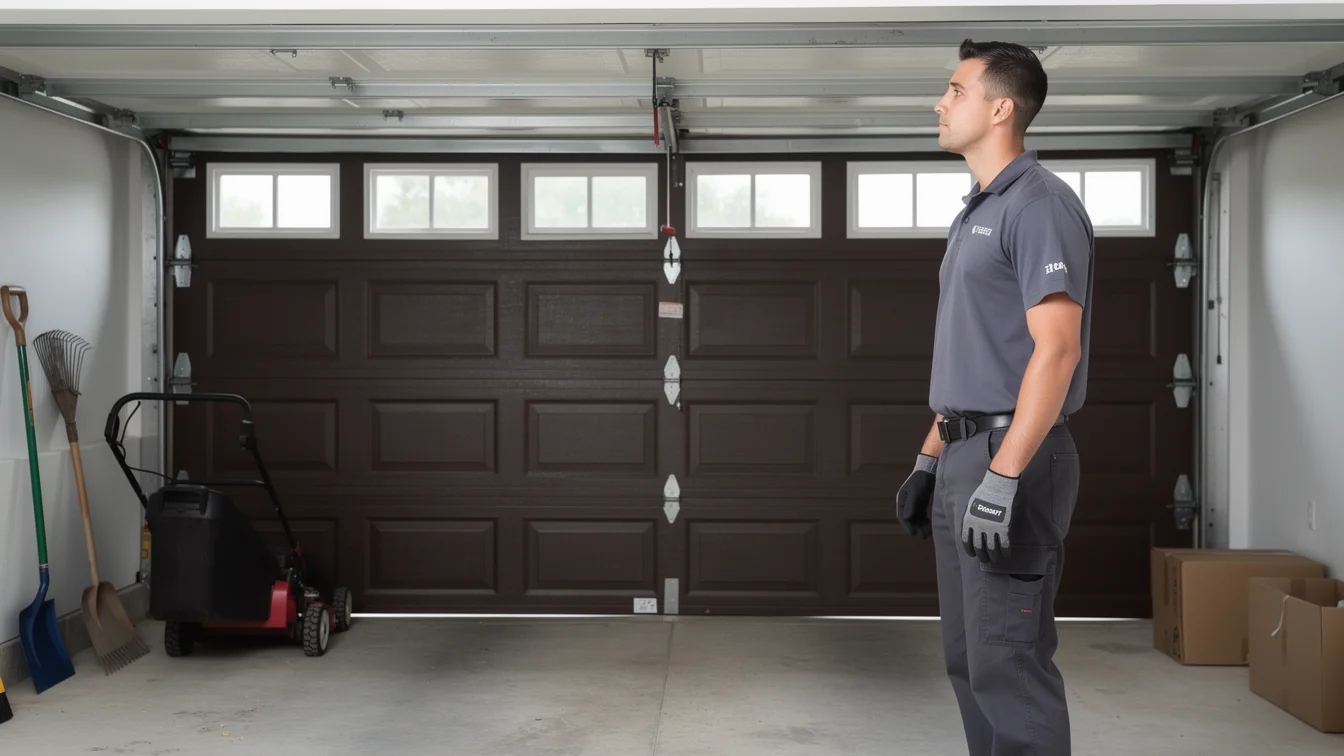
What Your Garage Door Is Trying to Tell You
Chino's 1960s-70s housing stock and valley heat swings turn normal door wear into specific sounds.
Read moreBlogChino, CA · 3 min read
Chino's housing stock runs 1938 to 2007, most of it 1960s-70s builds. Here's what that means for replacing a garage door, and what the heat band here actually does to panels.
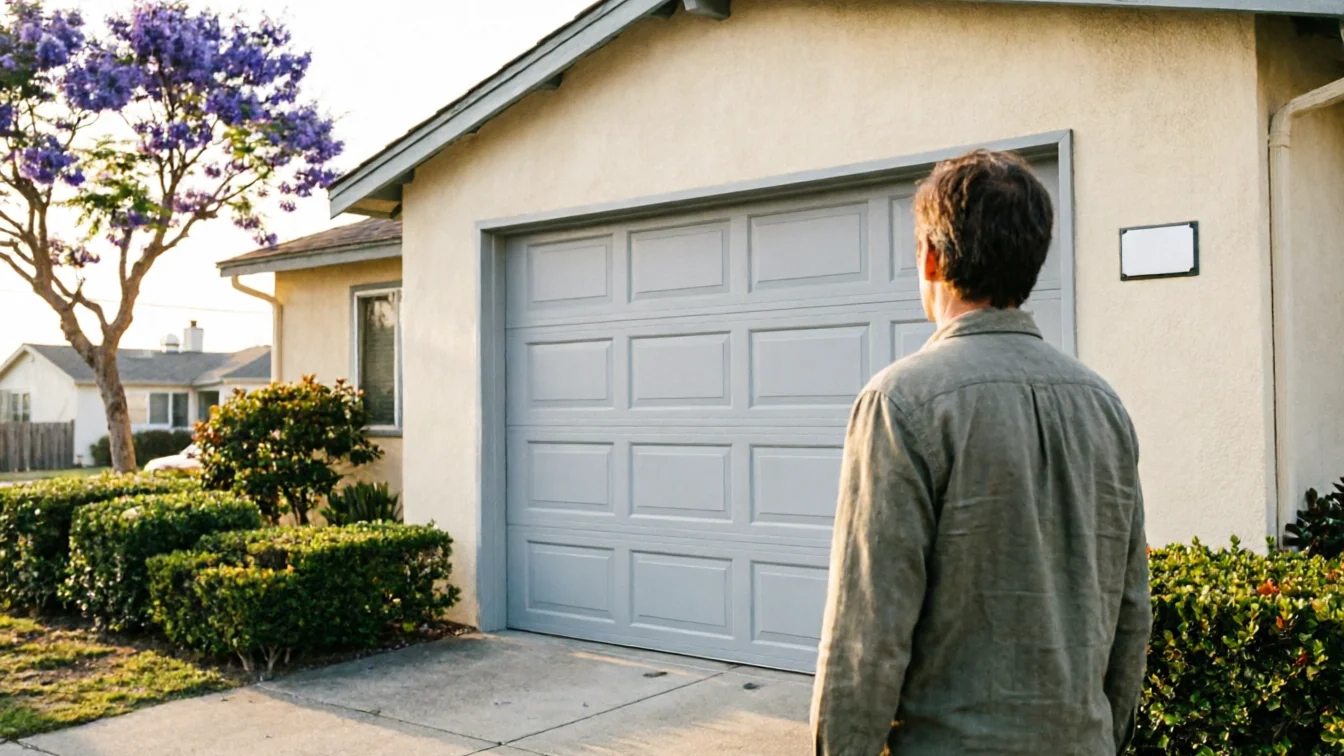
Local detail
There isn't much of a seasonal bit here, and that's worth saying plainly. Chino sits in a moderate heat climate band, not the kind of desert extreme that cracks vinyl panels in July or the freeze-thaw cycle that splits wood doors back east. What you get instead is steady, year-round sun exposure on whichever side of the house faces west or south, and that's a slower kind of wear. Paint fades first. Then the seal around the bottom panel starts to go brittle a few years before you'd expect in a milder exposure. If you're buying new, this is the argument for a factory-baked finish over a door you plan to paint yourself later - repainting a garage door every few years isn't a job most people want on their list, and in this climate band it comes up sooner than people think.
The area
A lot of the service area was built between 1938 and 2007, with the bulk of it going up in the 1960s and 70s across the 39 named communities nearby. That matters for a replacement decision because doors from that era were almost always sized to openings that predate today's standard track and spring hardware. When you replace a door on a house from that build window, the opening itself is usually fine - framing from that period holds up - but the existing track, drum, and spring setup is often original or a mismatched second-generation replacement. A new door bolted onto old hardware is a half-measure. If your house falls in that 1960s-70s band, budget for the track and opener mounting to get looked at alongside the door itself, not just the door.
What we find
Moderate heat doesn't mean no heat. Steel doors expand and contract daily even in a mild band like this one, and over a few decades that cycling works bolts loose at the hinge points and stretches the weatherstrip channel just enough that it stops sealing flush. You won't see the dramatic failures that come with hail or heavy snow load - those aren't a factor here - but you will see slow sag at the bottom panel on older doors, especially single-layer steel without insulation. If you're replacing a door now, a door with a foam-filled core resists that heat-cycle sag better than a hollow panel, and it's a reasonable upgrade given what the exposure here actually does over time.
How we work
Call before you buy if the opening is original to a house built before the 1970s - those openings sometimes run a non-standard width, and a stock door won't fit without framing work, which changes the cost of the whole job. We don't do framing carpentry ourselves, so if that's what's needed, we'll tell you upfront rather than try to make a door fit where it shouldn't. Otherwise, the short version: if the door still opens and closes square and the track isn't bent, a new door on existing hardware is often fine. If you're hearing grinding at the rollers or the door sits crooked when it's down, get that assessed before you spend money on a new panel set that'll just show the same problem in a year.
Questions
Usually, yes - most of the service area's housing from that era used openings close to today's standard widths. But it's worth confirming before you order, since some original openings run slightly non-standard, and a stock door won't fit without added framing work, which we don't do ourselves.
It's a moderate heat band here, not an extreme one, but the daily expansion and contraction from steady sun exposure still loosens hardware and stretches weatherstripping over time. A foam-filled steel door holds up to that cycling better than a hollow single-layer panel.
Depends on the house. If your track, drum, and springs are original to a 1960s or 70s build, replacing just the door and leaving old hardware in place is usually a half-measure - the mismatch shows up within a year or two.
Recommendation
More garage door guides for Chino homeowners.
Chino's 1960s-70s housing stock and valley heat swings turn normal door wear into specific sounds.
Read more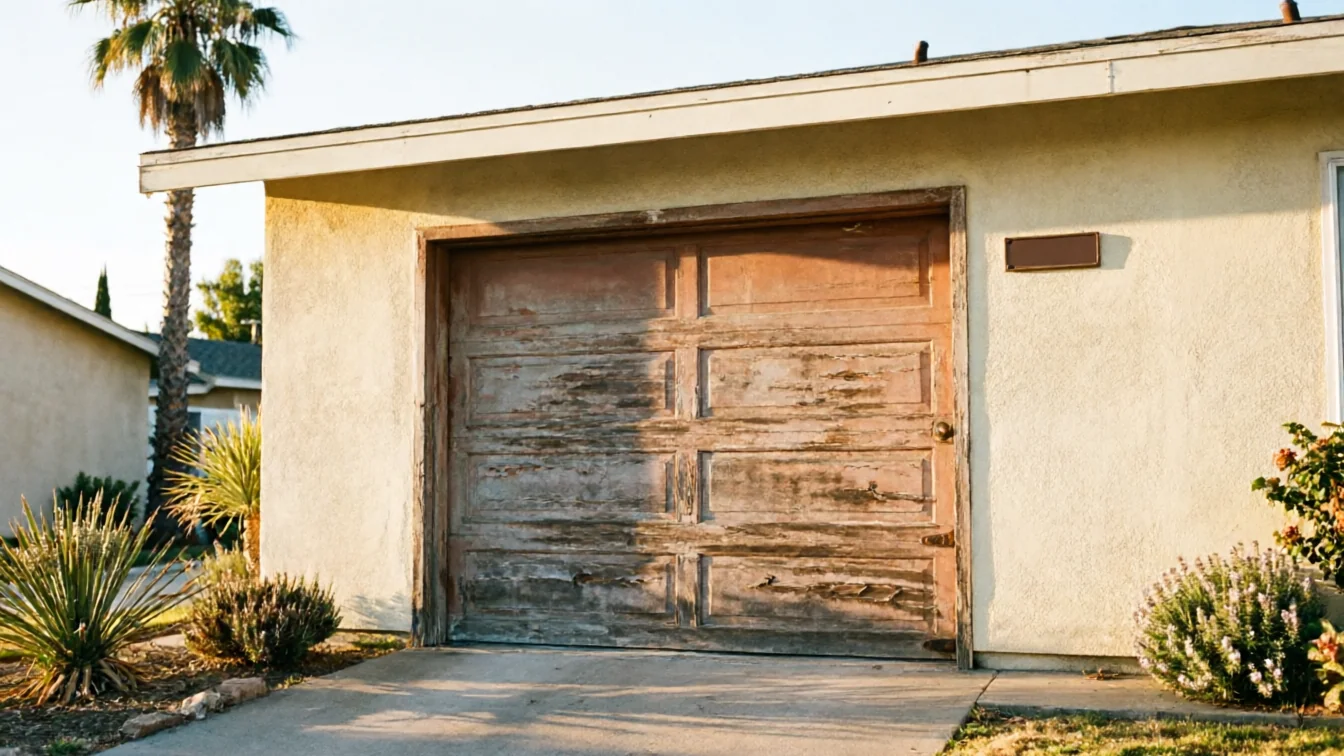
Chino's housing mostly dates to the 1960s and 70s under a moderate heat climate band.
Read more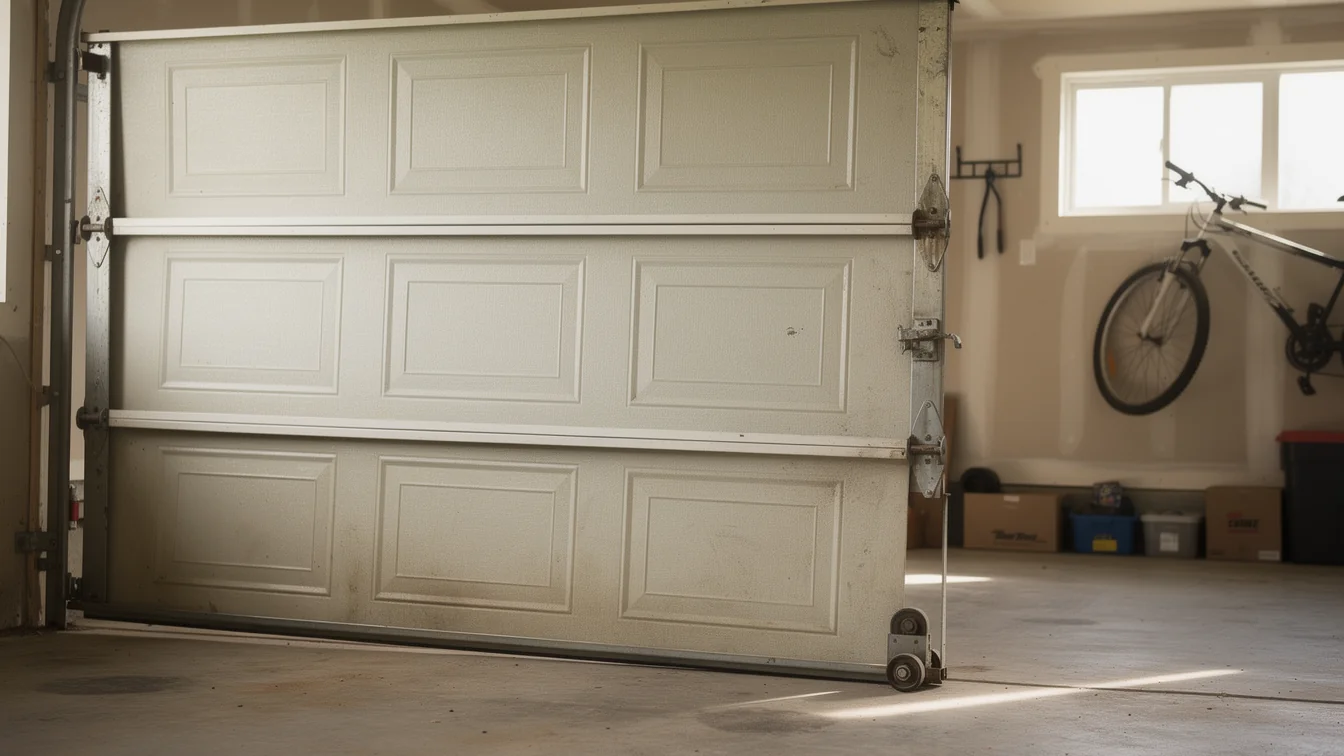
Chino's 1960s-70s housing stock and moderate heat put specific strain on garage door tracks.
Read moreReady when you are
Chino Garage Door Co repairs and installs garage doors, springs and openers in Chino, CA and the surrounding area.