Is Your Chino Garage Door Still Worth Fixing
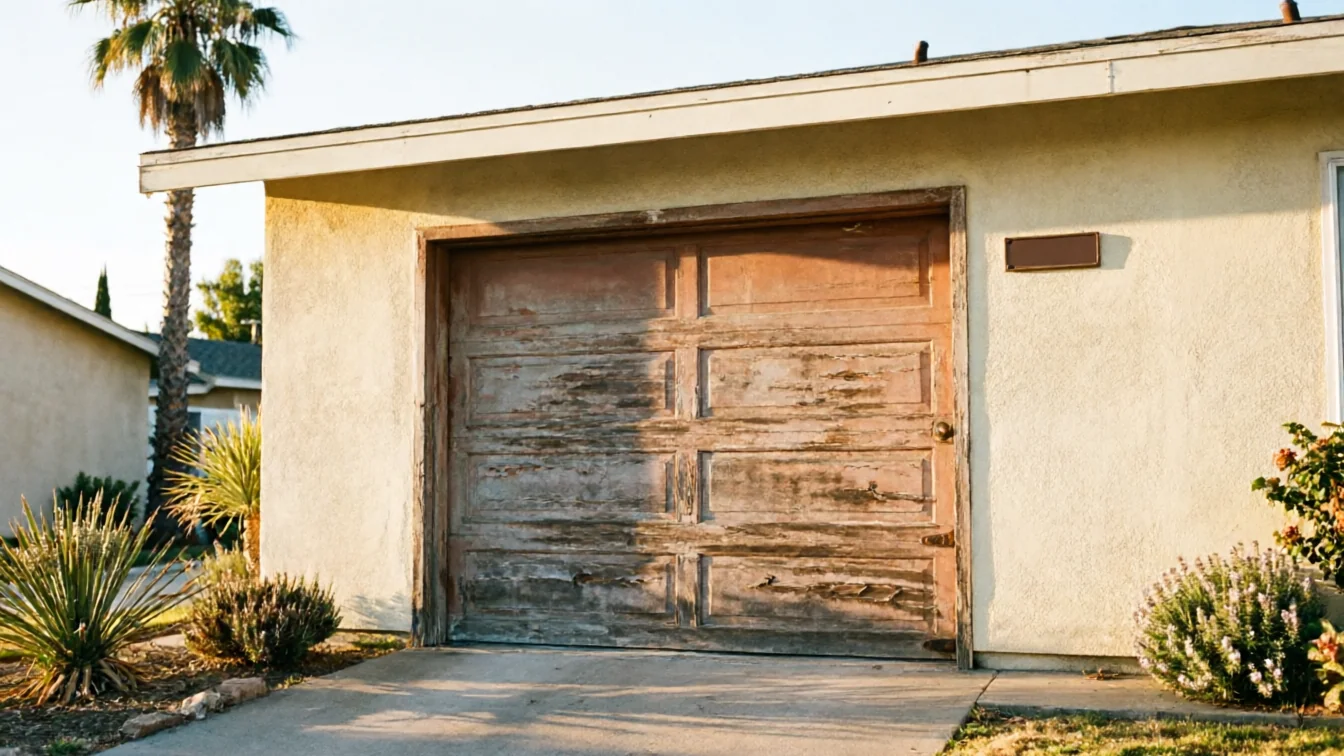
Chino's housing mostly dates to the 1960s and 70s under a moderate heat climate band.
Read moreBlogChino, CA · 4 min read
Chino's housing stock dates mostly to the 1960s and 70s, and original torsion springs are reaching the end of their rated cycle life this time of year.
Local detail
Every year around the first run of cold mornings, the phone starts ringing with the same story: the door was fine yesterday, and today it won't budge, or it slammed down on its own. This isn't bad luck. Chino's housing was built mostly between 1938 and 2007, with the median home going up around 1972, and most of that stock clusters in the 1960s and 70s tract-building wave. A torsion spring installed when a house was framed in 1968 has had over fifty years of open-close cycles, and steel fatigues whether or not anyone notices. Cold weather doesn't cause the fatigue. It just happens to be the trigger that finally announces it.
We don't get the deep freezes that crack springs outright the way some climates do. What we get is a temperature swing - warm afternoons, cooler nights - that shrinks the metal just enough to change the tension on a spring that was already near its limit. The spring that would have lasted another six months in August gives out in December instead. It's not the cold. It's the age, with the cold as the last straw.
The area
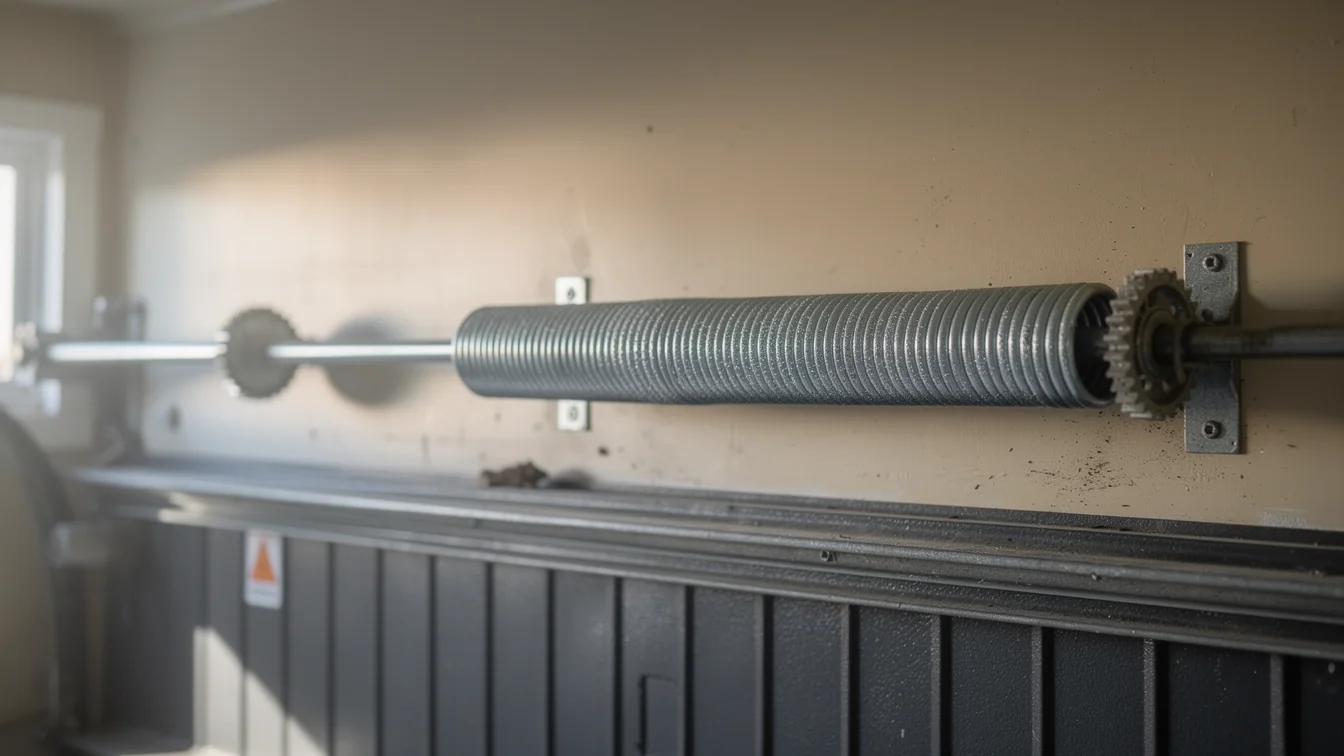
A garage door torsion spring is wound to a specific tension that balances the weight of the door. Every time the door opens and closes, the spring flexes. Steel has a fatigue life - a number of cycles it's rated for - and once a spring crosses that number, it doesn't fail gracefully. It either loses tension gradually, so the door gets heavier to lift by hand, or it snaps, usually with a loud bang that scares everyone in the house.
In a service area with 221,746 owner-occupied houses sitting mostly on 1960s and 70s construction, a large share of garages still carry original or near-original springs, especially where no one has ever had the door serviced. Cold doesn't damage the metal. It contracts it slightly, which raises the effective tension on a spring that's already down to its last few hundred cycles. A spring with plenty of life left won't notice the temperature at all. One that's near the end will.
What we find
Chino sits in a climate band classified as moderate heat, not the kind of deep-freeze zone where temperatures sit below freezing for weeks and metal becomes genuinely brittle. That matters, because it means the spring failures we see aren't a cold-climate problem the way they'd be in a mountain town. They're an age problem that cold weather exposes.
The mechanism is simple: overnight lows drop enough to contract the steel coil by a small margin, and that's enough to push a spring that's already fatigued past the point where it can hold the door's weight smoothly. You'll notice it as a door that suddenly feels heavier on the first cold morning of the season, or a cable that looks a little slack at the bottom bracket. Houses built in the same era around Los Serranos, three miles west, see the same pattern - it's the housing age driving the failure, not anything unique to one street.
How we work
If the door is noticeably heavier to lift by hand than it used to be, or you hear a creak or pop when it's opening, don't wait for it to get worse. A spring under failing tension can let the door drop fast, and a door that size coming down uncontrolled is not something to be standing under.
One honest limitation: we can't always tell you over the phone whether you need one spring or two, or whether the cables need replacing along with it - a spring that's run past its cycle life for years sometimes takes a cable or a bracket down with it, and that only shows up once we're looking at the hardware in person. If your garage is original to a house built anywhere in that 1938 to 2007 range this area covers, and nobody's touched the springs since, that's worth a look before winter, not after the door drops.
Questions
Not directly. Our climate here is classified as moderate heat, not a hard freeze zone, so the metal isn't becoming brittle the way it would somewhere colder. What happens is a spring that's already near the end of its cycle life gets pushed over the edge by the slight contraction from cooler overnight temperatures. The real cause is age, not the thermometer.
It depends on the house, but Chino's housing stock runs from 1938 to 2007 with a median build year around 1972, and a lot of that is 1960s and 70s tract construction. If a spring has never been replaced, it could easily be fifty-plus years old, which is well past what any manufacturer rates it for.
Yes. A spring doesn't have to snap to be failing. It can lose tension gradually, which is what makes the door feel heavier when you lift it by hand or notice the opener straining more than it used to. That's usually the same fatigue process, just caught before the loud version happens.
Recommendation
More garage door guides for Chino homeowners.
Chino's housing mostly dates to the 1960s and 70s under a moderate heat climate band.
Read more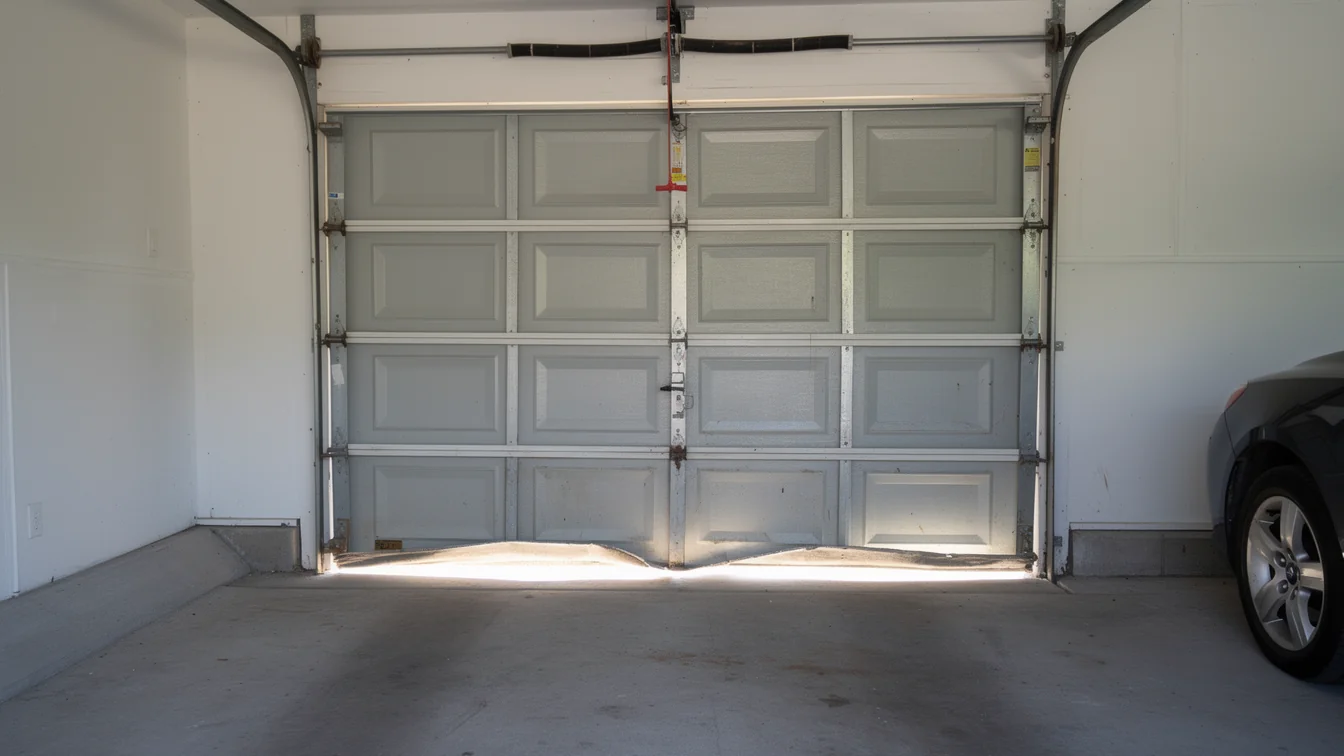
Chino's housing runs from 1938 to 2007, median build year 1972 - before insulation codes reached garages.
Read more
Chino's housing stock runs 1938 to 2007, most of it 1960s-70s builds.
Read moreReady when you are
Chino Garage Door Co repairs and installs garage doors, springs and openers in Chino, CA and the surrounding area.