
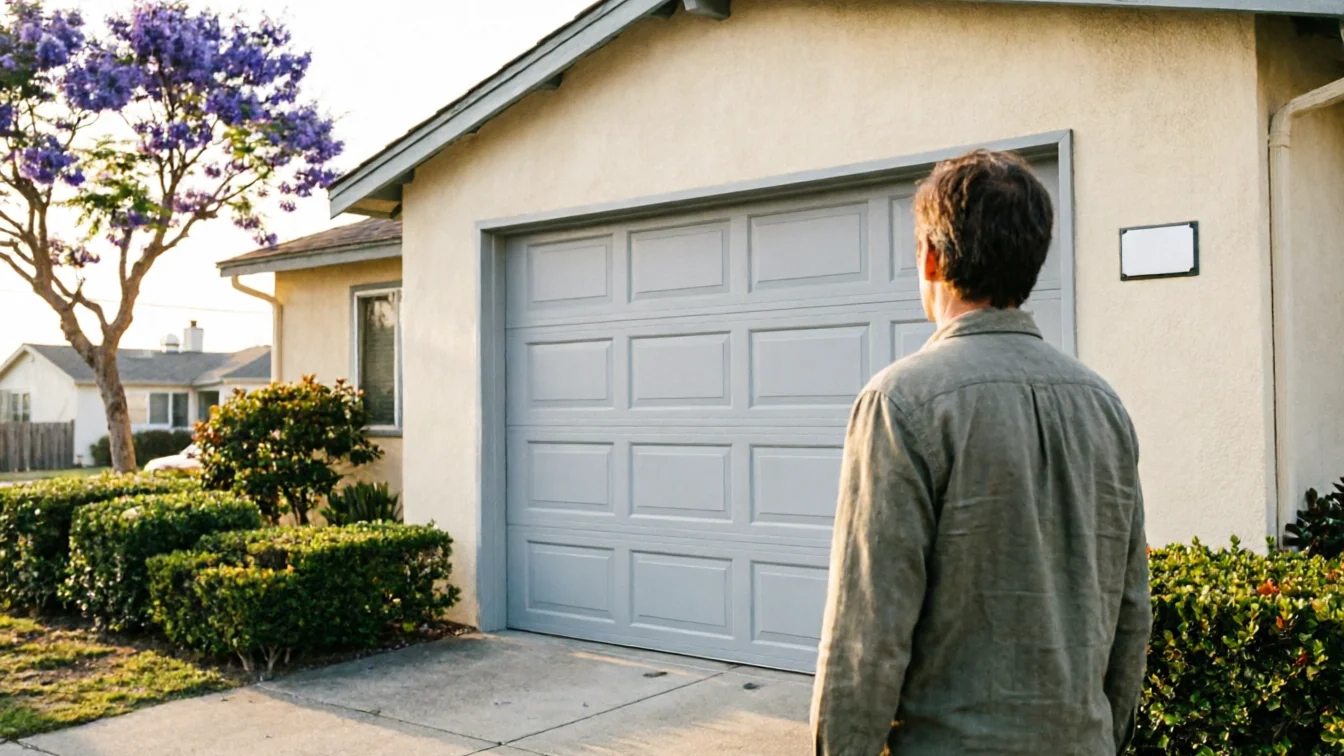
What a Replacement Door Really Needs to Handle in Chino
Chino's housing stock runs 1938 to 2007, most of it 1960s-70s builds.
Read moreBlogChino, CA · 4 min read
Chino's housing runs from 1938 to 2007, median build year 1972 - before insulation codes reached garages. Here's what that means for your door today.
Local detail
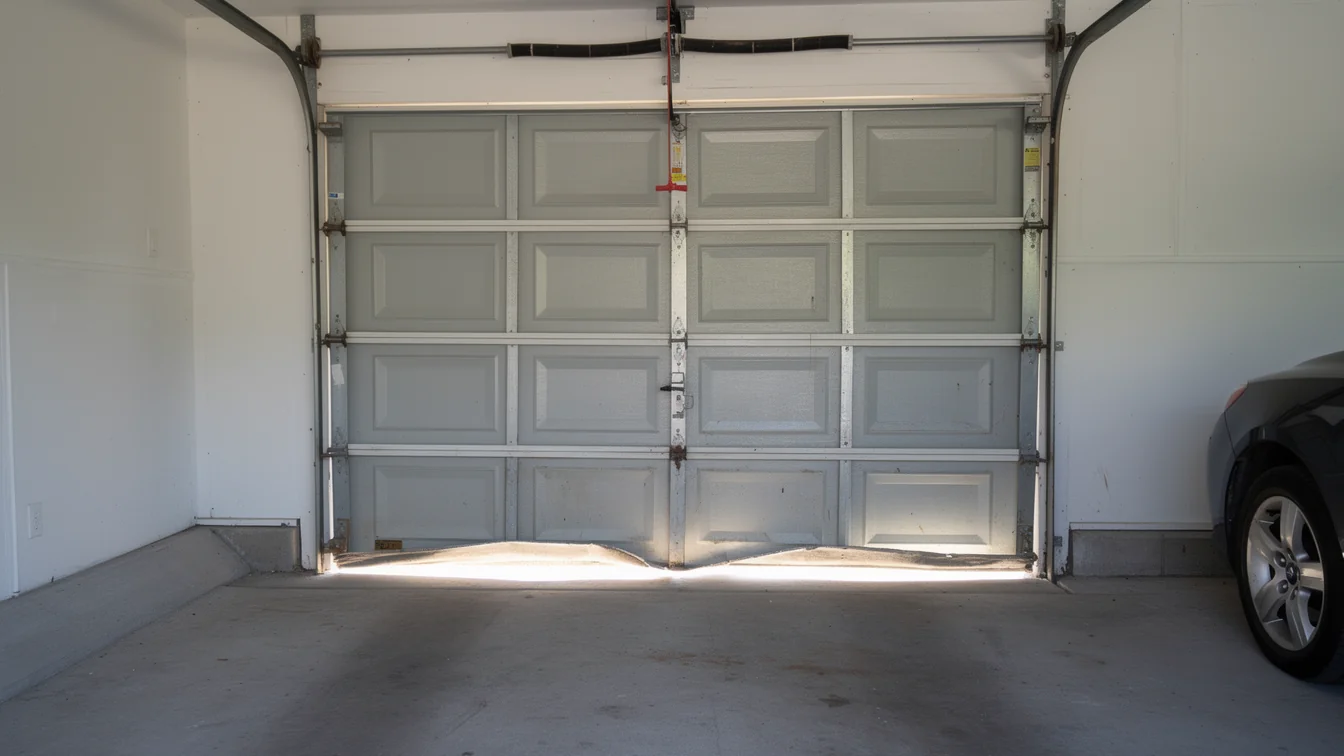
Chino doesn't get the kind of seasonal swing that cracks pavement or splits wood, but the heat band here is still enough to work on a garage door that was never built to handle it. The housing stock in Chino spans 1938 to 2007, with the median landing right around 1972. That number matters more than it sounds like it should, because insulation and sealing standards for residential garage doors weren't part of most building codes until well after that median year. A door on a house built in the early 1970s went up as a single, uninsulated steel or wood skin on a track, with no thermal break and no real weatherstripping beyond a thin rubber strip at the bottom. It wasn't a defect. It was just how doors were built then. The seasonal bit, for Chino, isn't about snow load or freeze-thaw. It's about a door panel that's been absorbing and releasing heat through an uninsulated skin for fifty-odd years, with the hardware aging right along with it. If your house falls into that 1960s-70s stretch that covers most of Chino's older ground, your door is probably one of these.
The area
Most of Chino's neighborhoods settled into their current shape in the 1960s and 70s, part of a broader pattern across the 39 named areas in this part of the region that built out around the same time. A door installed when a house went up in, say, 1968 was never designed with a foam-core panel or a sealed bottom astragal - those became standard decades later. What you've got instead is a single steel or hollow wood skin, often on original hardware that's outlasted its expected service life simply because nobody's pushed it hard enough to fail yet. The springs, rollers, and tracks on these doors are frequently original or close to it, sized for a lighter, uninsulated panel. When a homeowner swaps in a heavier insulated replacement door without checking the spring rating, the opener strains and the cycle count on the spring drops fast. That's the quiet failure mode in houses this age: not the door itself, but the mismatch between old hardware and anything newer bolted onto it.
What we find
Chino sits in a moderate heat climate band, not an extreme one, so the damage here isn't dramatic - it's cumulative. An uninsulated steel door built before insulation rules existed expands and contracts through daily heat cycles for decades, and that repeated flex is what eventually warps a panel or loosens the fasteners holding a seam together. You won't see it happen in a season. You'll see it as a door that's started to bow slightly at the center, or a bottom seal that's gone stiff and cracked from years of sun exposure against the slab. None of that is a climate disaster. It's just what moderate, steady heat does to a panel that was built with zero thermal consideration in the first place. Newer insulated doors handle this better simply because the sandwich construction resists the flex. Older single-skin doors in Chino's pre-1972-median housing don't have that buffer, which is why the warp shows up here more than it would on a newer build.
How we work
If your house is part of Chino's older stock - built anywhere from the late 1930s through the 1970s pattern that covers most of the area - and the door is still the original single-skin panel, a call is worth it once you notice uneven closing, a visible bow, or hardware that looks original and worn. We don't recommend trying to retrofit insulation into an old steel skin; foam-filling an aging panel after the fact rarely holds up, and in most cases replacing the door costs less than trying to save it. That's the honest limitation here: we're not going to sell you a patch job on a fifty-year-old panel if a new insulated door is the better money. What we will do is check whether the spring and opener are rated for whatever door you end up with, since mismatched hardware is the more common failure point in houses this age than the door skin itself.
Questions
If your house was built before the early 1970s, which covers a large share of Chino's housing stock, there's a good chance the original door is a single uninsulated steel or wood skin with minimal weatherstripping. Look for a thin, non-foam panel and a bottom seal that's cracked or flattened - those are signs of pre-code construction.
Chino sits in a moderate heat band, so the effect is gradual rather than dramatic. Years of daily heat cycling on an uninsulated panel can cause slight warping or loosen seams over time, which shows up more on original 1960s-70s doors than on newer insulated ones.
In most cases replacement beats retrofitting. Foam-filling an aging steel skin after the fact rarely performs as well as a door built with an insulated core, and once you factor in labor, it often isn't the cheaper option either.
Recommendation
More garage door guides for Chino homeowners.
Chino's housing stock runs 1938 to 2007, most of it 1960s-70s builds.
Read more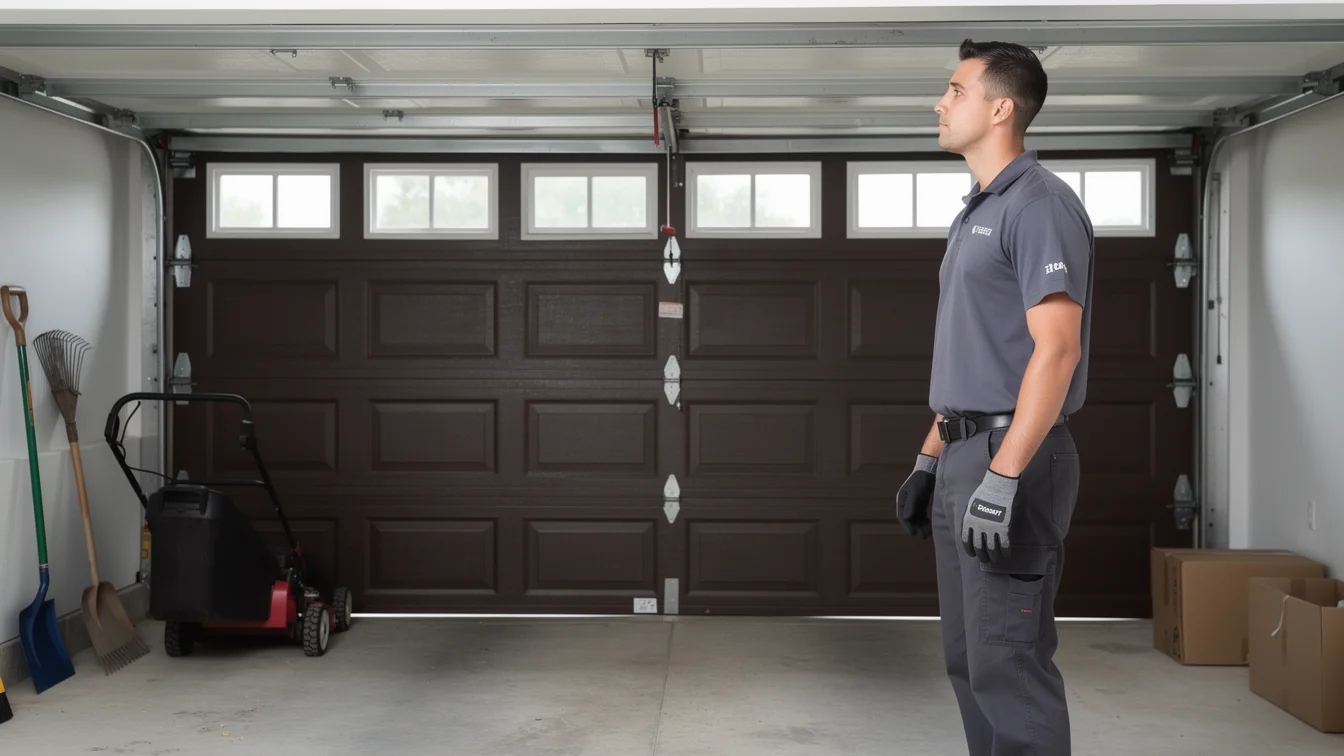
Chino's 1960s-70s housing stock and valley heat swings turn normal door wear into specific sounds.
Read more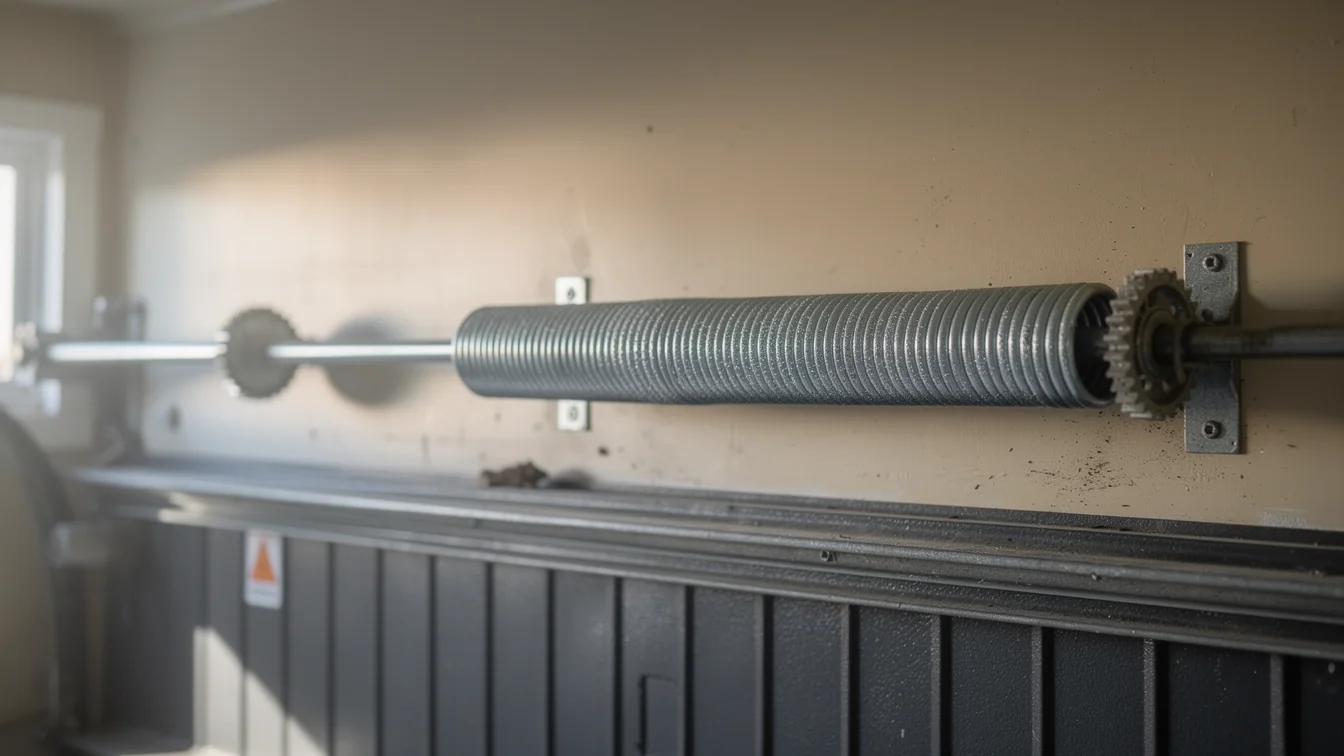
Chino's housing stock dates mostly to the 1960s and 70s, and original torsion springs are reaching the end of their rated cycle life this time of year.
Read moreReady when you are
Chino Garage Door Co repairs and installs garage doors, springs and openers in Chino, CA and the surrounding area.