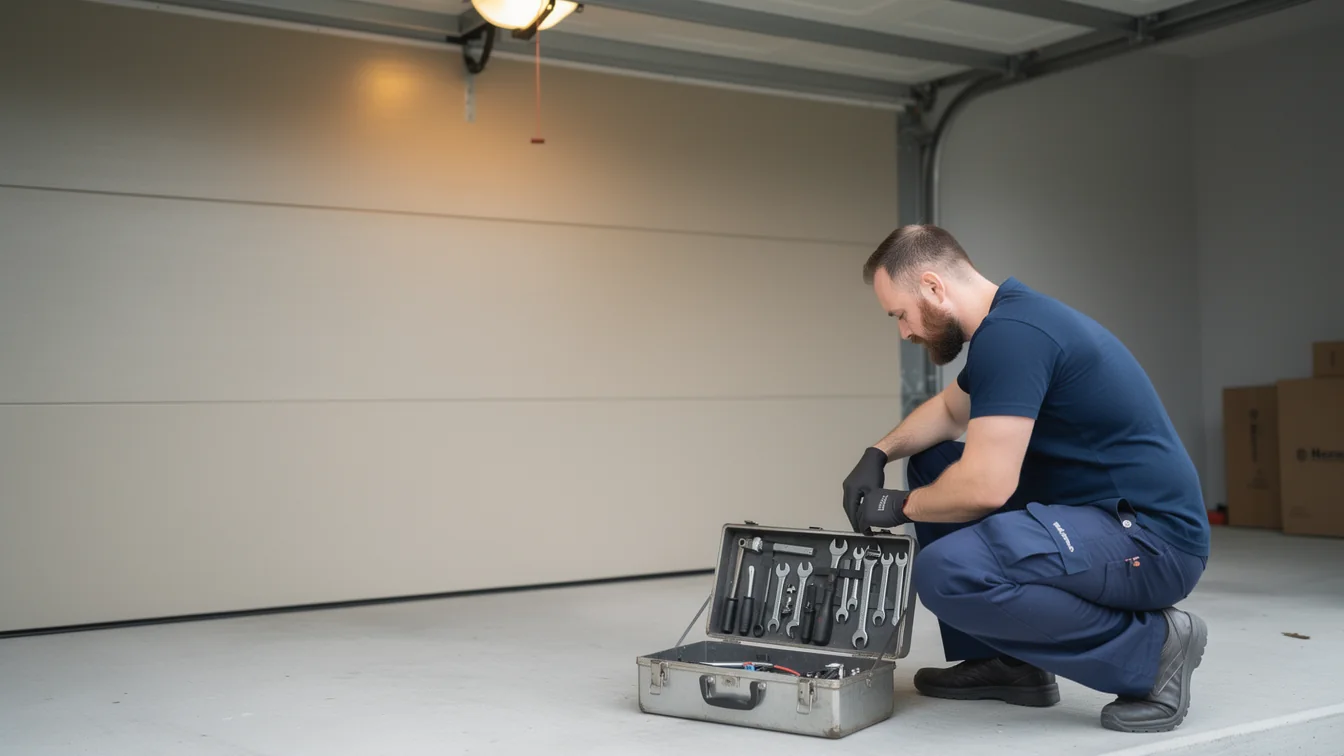
What a Technician Checks First on a Chino Service Call
A Chino technician's first-look checklist, built around the 1960s-70s housing stock and moderate heat that define this part of the service area.
Read moreBlogChino, CA · 4 min read
A clear look at what happens during a Chino garage door service call, from spring and track checks to the wear patterns common in 1960s-70s homes here.
Local detail
People call us expecting a seasonal pitch - get your door tuned up before summer, that kind of thing. We're not going to do that here, because Chino doesn't have the kind of weather swings that make a seasonal checklist mean much. The area sits in a moderate heat band, not the triple-digit extremes some inland valley towns deal with for weeks at a time. That matters for what we actually find when we show up. A spring or opener here wears out from age and cycles, not from one brutal July. So instead of a spring-and-fall routine, most of our calls are tied to how old the hardware is and how many times a day it's been used, not what month it is. If your door has been fine for years and suddenly starts binding or groaning, that's not a seasonal thing - something actually changed, and that's what we're there to find.
The area
Most houses on this side of Chino went up during the 1960s and 70s, with the broader stock running from 1938 to 2007 and a median build year of 1972. That one number explains a lot of what we see on a service call. A door installed anywhere near that median is running torsion hardware sized for a lighter, uninsulated single-layer door - not the heavier two-inch insulated panels that get sold as replacements today. So the complaint is often not "the door is broken," it's that somebody swapped the door at some point and left the original springs and drums in place. We check spring count against door weight, track plumb against the frame, and whether the opener's force settings were ever adjusted after a panel swap. A lot of what looks like a failing opener motor is actually hardware working overtime to lift a door it was never sized for.
What we find
Chino's heat band is moderate, which means we're not fighting the kind of extreme cycling that cracks seals and warps panels in a season. But moderate heat over fifty-plus years still does its work slowly. Galvanized torsion springs lose a little tension with every heat cycle, lubricant on track rollers gums up and dries out faster in warm garages than people expect, and nylon rollers on original 1960s and 70s installs get brittle from decades of sun hitting the exterior of the door even if the interior stays shaded. On a service call we're looking at roller condition, whether the track lubricant has turned to gum, and whether the spring has lost enough tension that the opener is doing lifting work it shouldn't be doing. None of this is dramatic. It's slow wear from a moderate climate acting on hardware that, in a lot of these houses, has never been touched since it went in.
How we work
Call if the door is noticeably harder to lift by hand than it used to be, if it slams the last foot instead of settling, or if you hear a bang followed by the door refusing to open - that's usually a broken spring, and it is not a DIY repair. Torsion springs are under enough tension to cause real injury, and we don't talk people through doing that one themselves over the phone. Call too if your opener runs but the door barely moves, since that's almost always a spring that's lost tension, not a motor problem, and running the opener against it will burn out the motor. One honest limitation: if your door and opener are both original to a 1960s or 70s install and something major fails, we'll tell you straight when replacement makes more sense than patching 50-year-old hardware with parts that barely match it anymore.
Questions
If the door is heavy to lift by hand with the opener disconnected, that's the spring, not the opener. A healthy door should lift smoothly and stay roughly where you leave it. If it drops or feels like dead weight, the spring has lost tension - don't keep running the opener against it, since that's what burns out motors.
In a lot of Chino houses built in the 1960s and 70s, the opener is newer than the door hardware underneath it. If springs or rollers from the original install were never replaced, the opener ends up compensating for worn parts instead of just running the door, which shortens its life.
Not really - Chino's heat band is moderate enough that we don't see the sharp seasonal spikes some areas do. Most calls here track with the age of the hardware and how heavily the door gets used, not the calendar.
Recommendation
More garage door guides for Chino homeowners.
A Chino technician's first-look checklist, built around the 1960s-70s housing stock and moderate heat that define this part of the service area.
Read more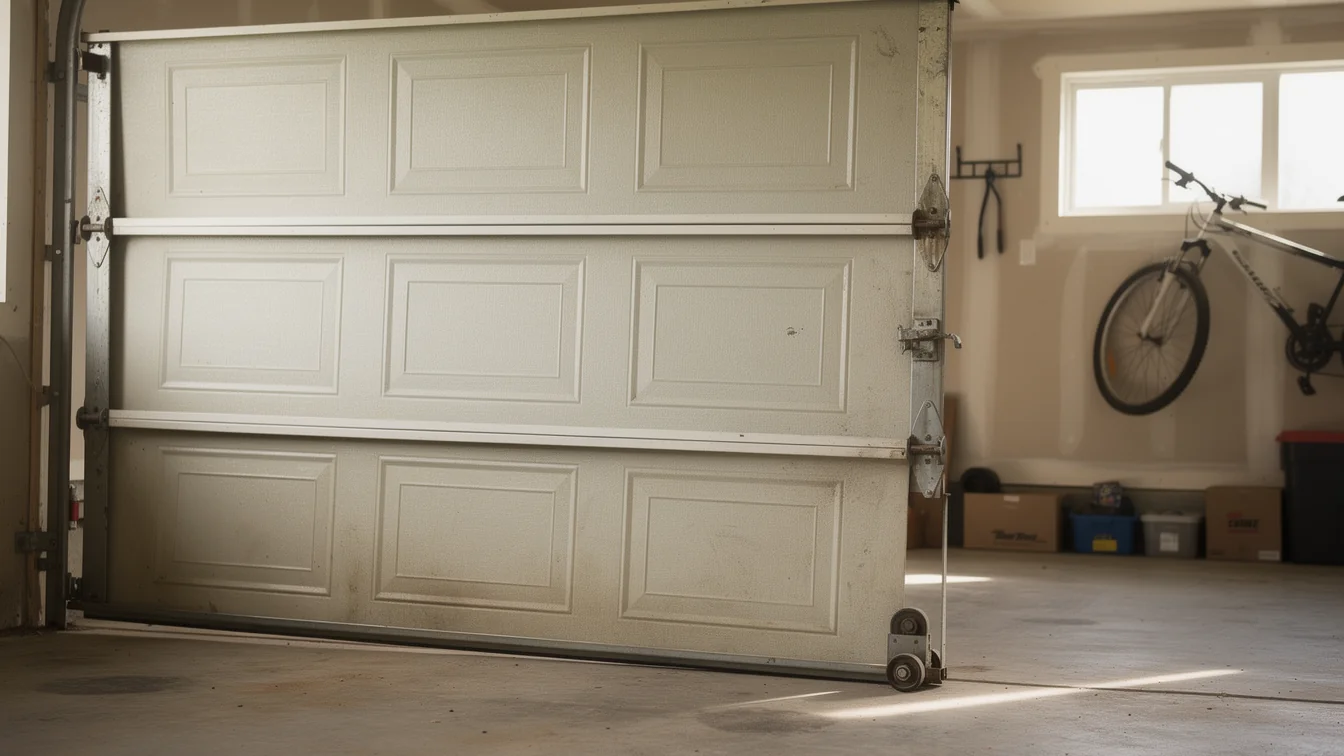
Chino's 1960s-70s housing stock and moderate heat put specific strain on garage door tracks.
Read more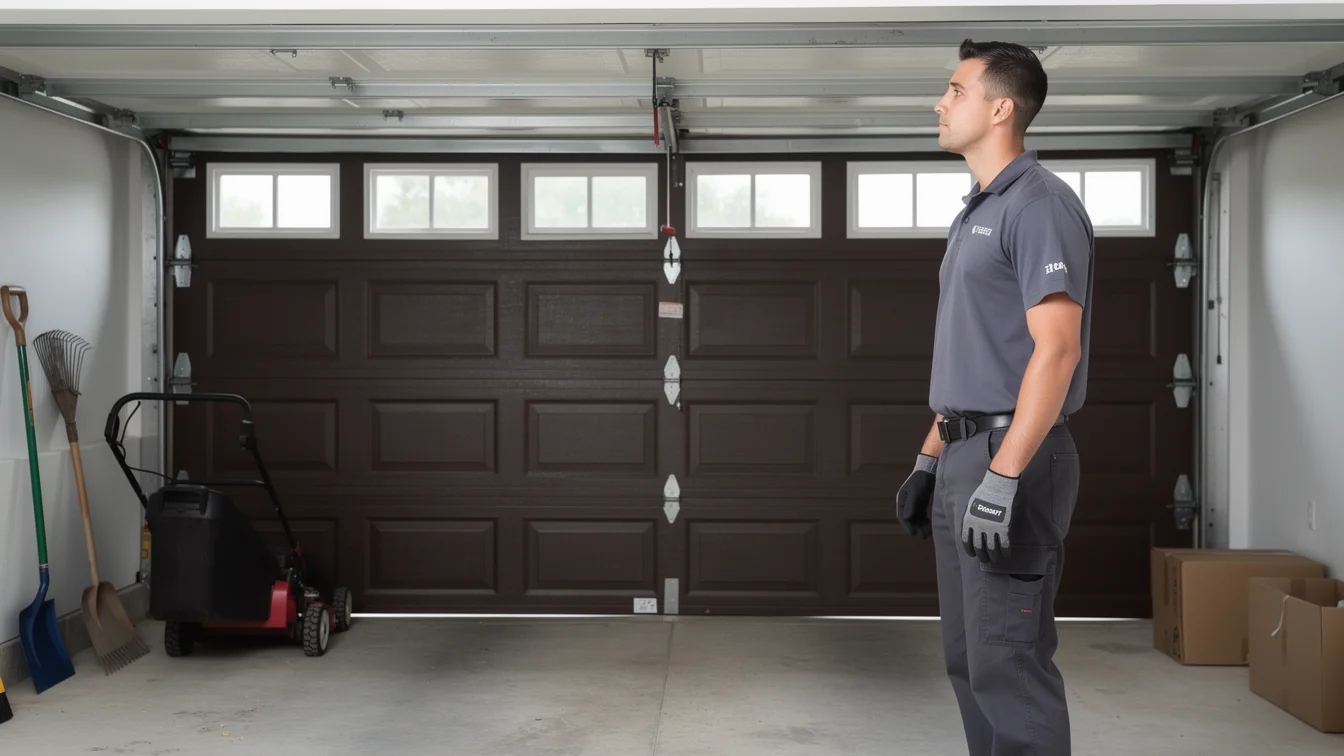
Chino's 1960s-70s housing stock and valley heat swings turn normal door wear into specific sounds.
Read moreReady when you are
Chino Garage Door Co repairs and installs garage doors, springs and openers in Chino, CA and the surrounding area.