What the Fix Involves
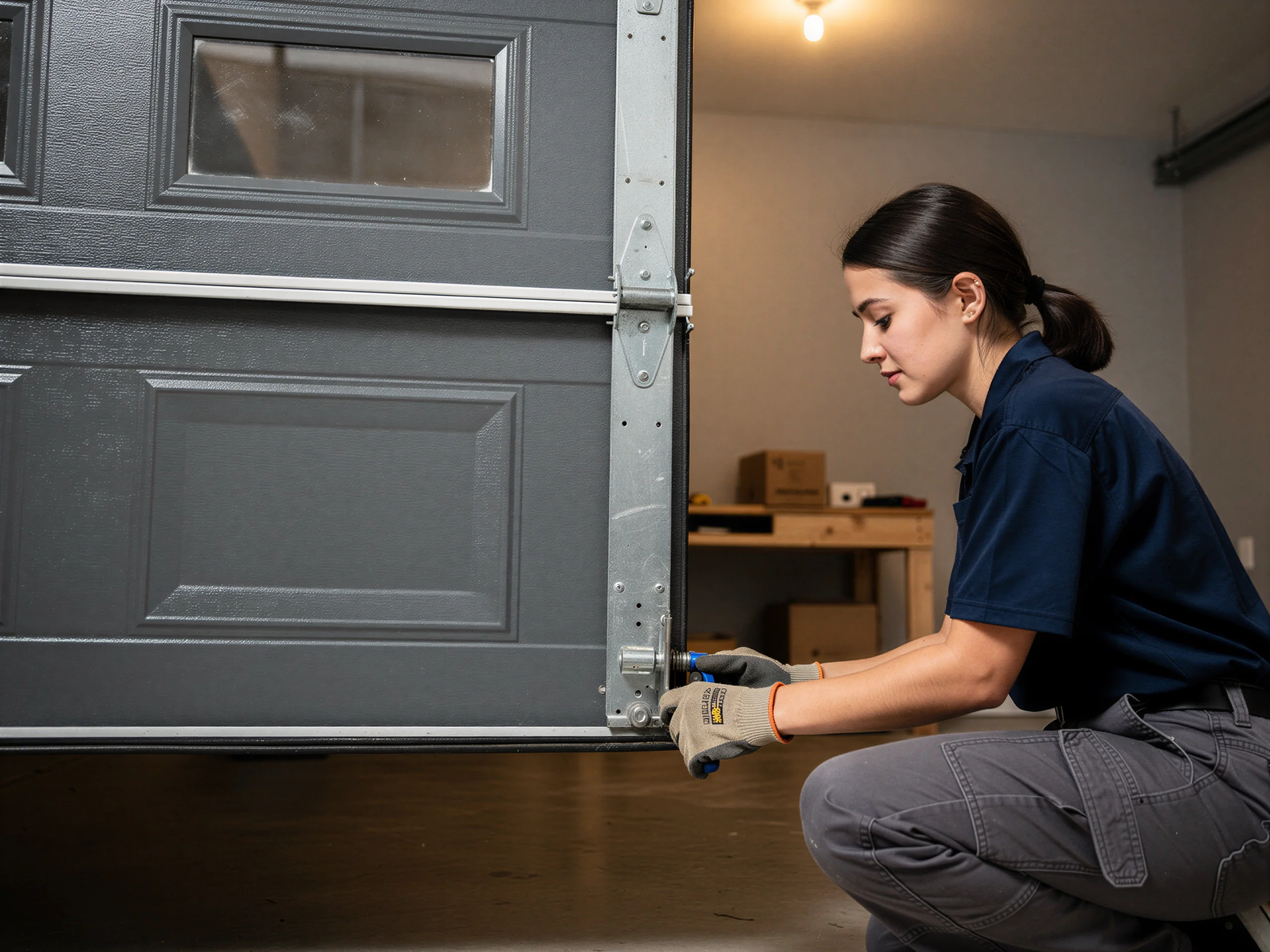
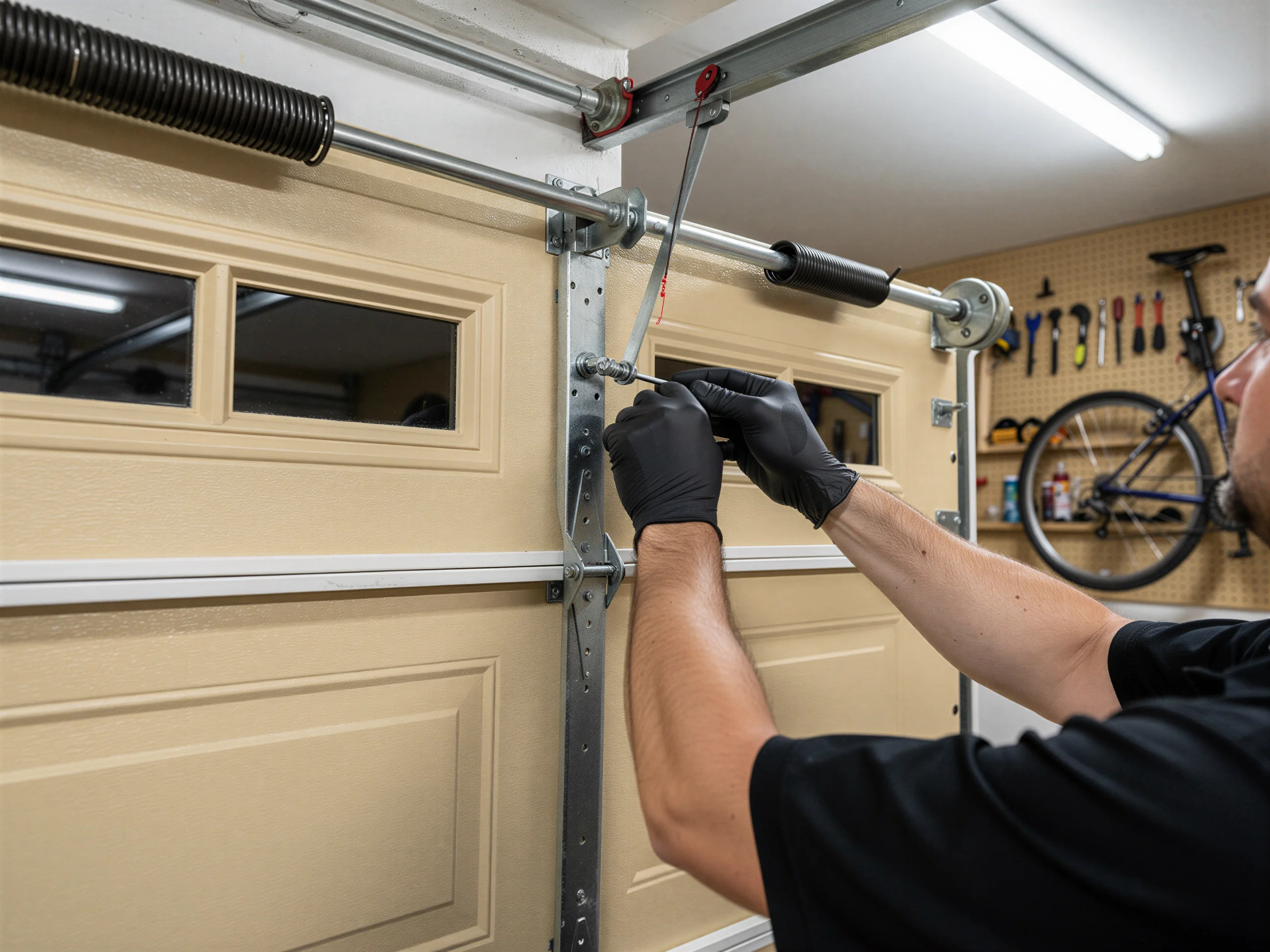
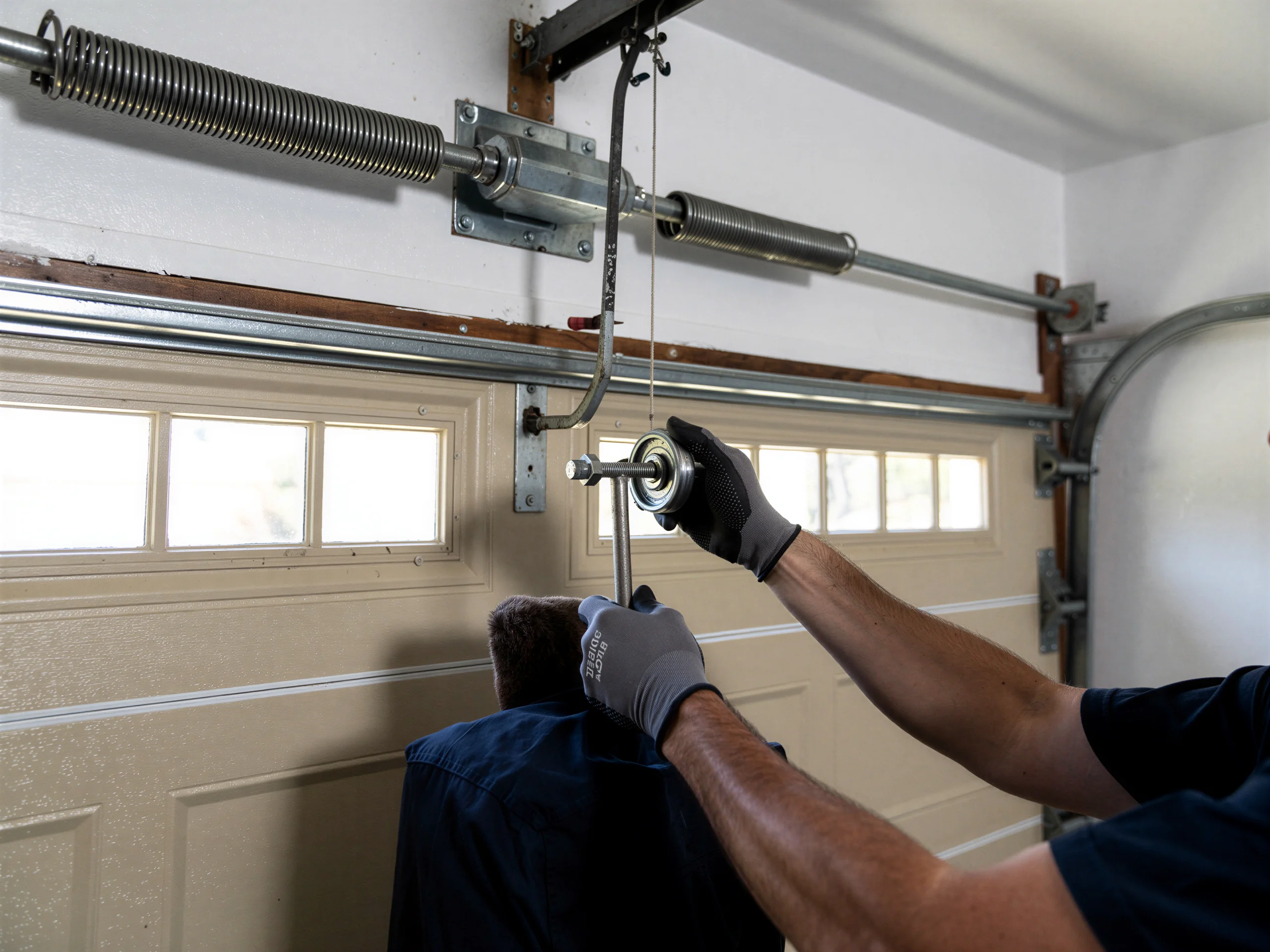
A spring repair starts with figuring out which spring failed and why, not just swapping metal. Most doors run on a pair of torsion springs mounted on a shaft above the opening, wound to a specific tension that matches the door's weight.
Snapped spring symptoms
When one side snaps, the door goes crooked on the track or won't lift past a foot off the floor - that's the giveaway that it's the spring and not the opener. The job means releasing tension safely, pulling the broken spring off the shaft, measuring wire gauge and wind direction against the door's actual weight (not a guess), and winding a matched replacement to the right number of turns.
Checking drums and bearings
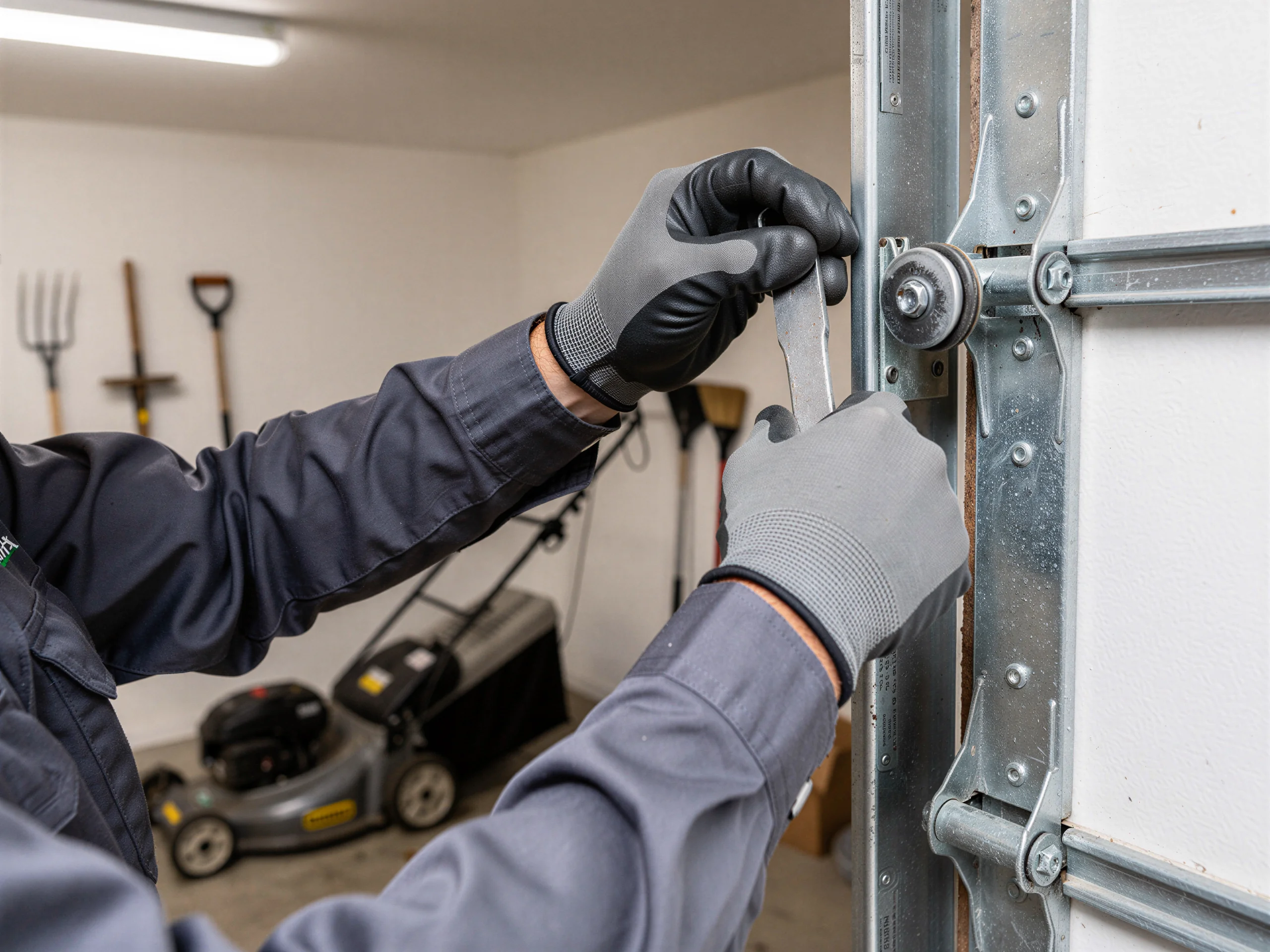
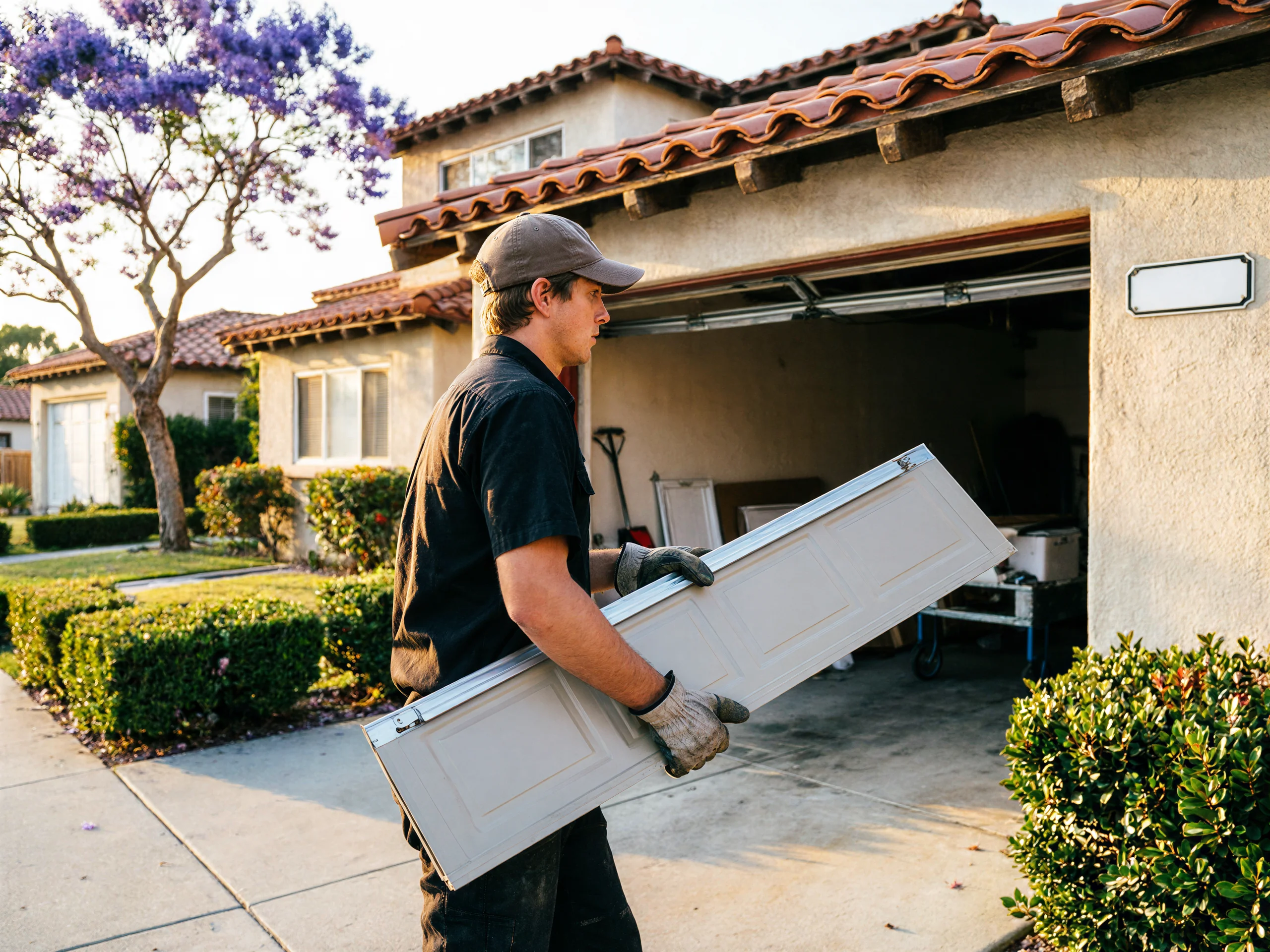
On older doors we also check the cable, the drums, and the center bearing, since a spring that failed from fatigue often took a bearing with it. Some doors on original one-piece hardware need a hardware swap, not just a spring - the parts for side-mounted torsion setups common in homes built mid-century aren't stocked the way current extension and torsion kits are.
Hardware upgrade before spring
That's a straight conversation up front: if the door needs new track and hinges to hold a modern spring safely, we say so before we start, not after. We don't patch a spring that's already stretched or re-use a bent shaft. A spring under the wrong tension is a hazard, not a repair.
How to Book
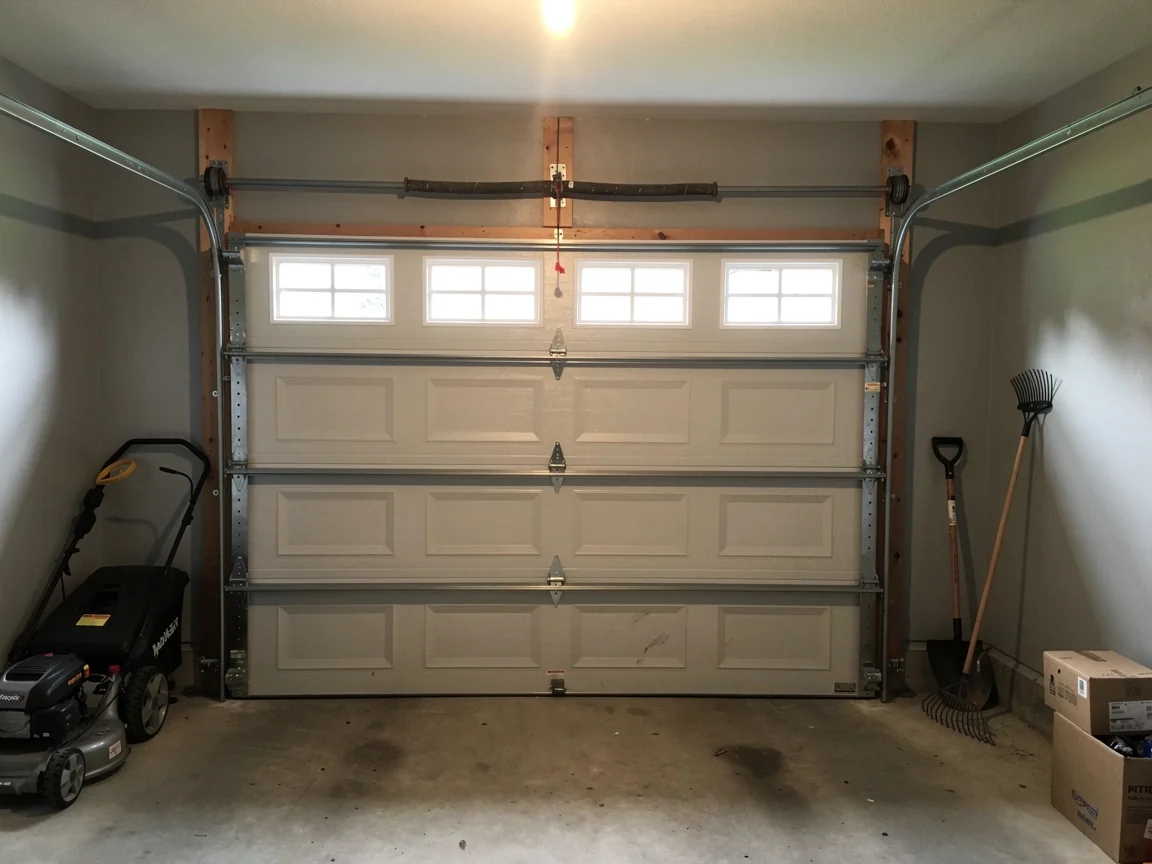
Call or use the contact link on the site to describe what the door is doing - won't lift, lifts crooked, loud bang followed by the door not moving.
Identifying spring type
That alone tells us whether it's a torsion spring, an extension spring, or something else wearing the same symptoms, like a worn cable or a failed opener gear. We ask for the door's rough age and whether it's a single wide door or two singles, since spring size and count depend on that.
Previous replacements noted
If you know the door was replaced at some point and the opener is newer than the house, say so - that changes what's actually on the shaft. Once we're on site, we confirm the spring size against the door weight before ordering or winding anything, because a spring rated for the wrong door either won't hold the door up or will slam it down.
Measurements before quoting
We don't quote a repair over the phone sight unseen; a torsion spring job depends on measurements we can only take standing in front of the door. If the door is original to a house from the 1960s or 70s, mention that too - the hardware era affects what's in stock on the truck versus what has to be ordered, and that affects when we can get back out.
Why This Fails Locally
Homes across this area were built mostly between 1938 and 2007, with the median house dating to 1972, and the bulk of the stock across the 39 named communities we cover is 1960s-70s construction. That matters for springs specifically: a torsion spring has a rated cycle life, and a door original to a house from that era has had five decades of openings on the same hardware, often with no spring swap in between.
The climate here sits in a moderate heat band, which doesn't sound dramatic, but it means steady daily swings between hot afternoons and cooler nights on an attached garage - metal expands and contracts on that cycle every day, year-round, and that's fatigue loading a spring doesn't get a break from. Combined with age, it's a common reason a spring that looked fine on Tuesday snaps on Wednesday with no warning.
Across the service area there are 427,123 households and 221,746 owner-occupied houses, a lot of them exactly this vintage - built before current torsion-spring safety standards were common, with side-mounted hardware that doesn't always match a modern replacement spring without extra work.
This isn't a Chino-specific defect; it's what happens to this particular stock of houses, in this particular climate, over this many decades.
How It Shows Up
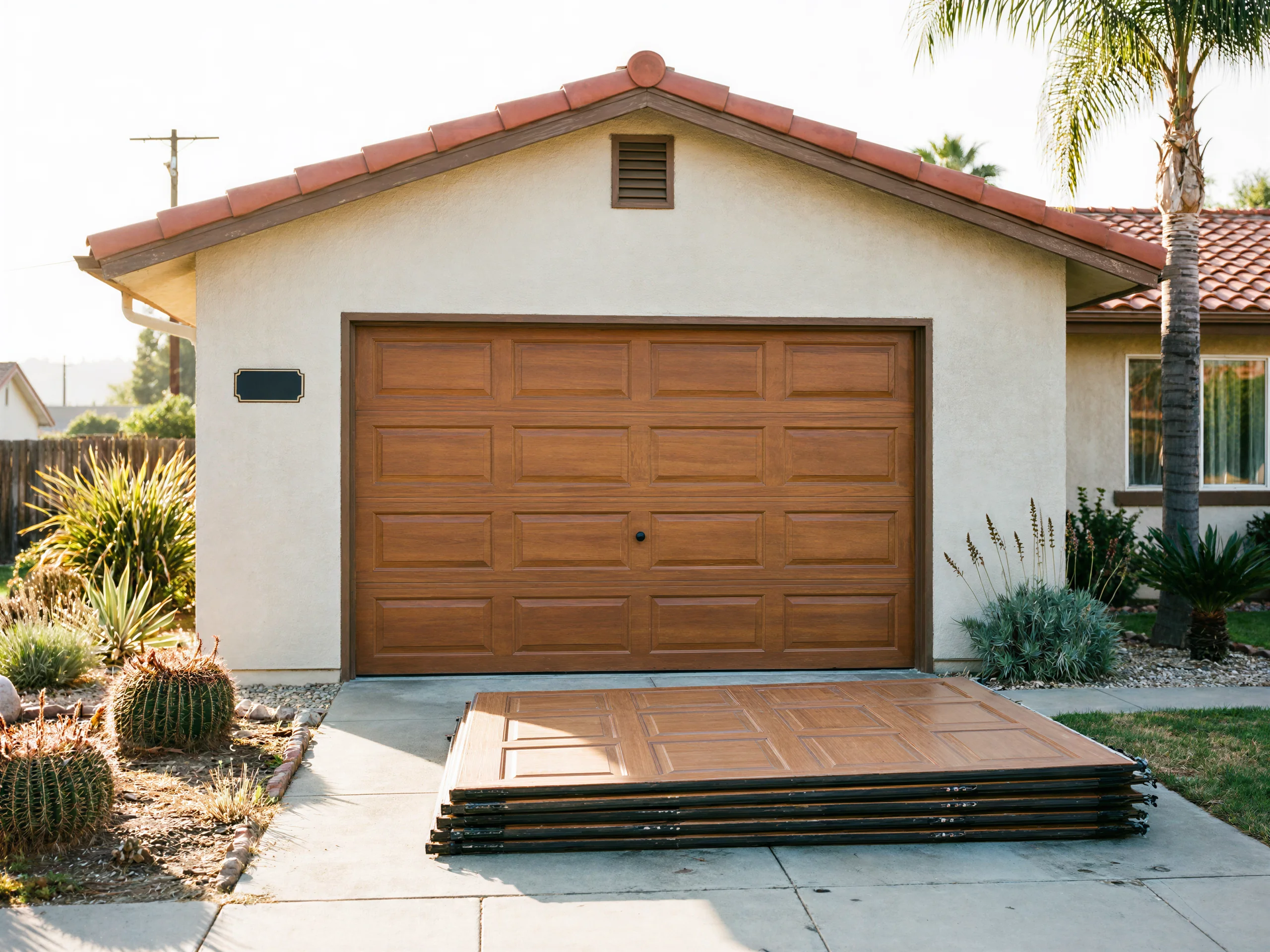
The most obvious sign is a loud bang from the garage, often described as sounding like a gunshot, followed by a door that won't lift at all or only lifts a few inches before the opener strains and stops.
Uneven lift or fast drop
That's a torsion spring that's let go. A quieter version: the door lifts unevenly, one side higher than the other, or it drops fast on the way down instead of lowering under control. That's usually one spring still holding while its pair has lost tension - a partial failure rather than a full snap, and it's worth calling before it finishes breaking, since a door running on one spring puts extra strain on the opener and the remaining spring.
Opener working overtime
Some owners notice it first as the opener working harder than usual - longer to lift, a grinding sound, or the opener's safety sensors triggering because the door isn't moving the way they expect. That's not always a spring problem, but on a door of the age common in this area, it's the first thing worth ruling out.
Spring or opener confusion
With a median household income of $105,104 across the service area, most owners here can weigh a same-day spring swap against replacing an opener that's been overworking for months - worth mentioning since the two often get confused as the same failure.
Talk to a local pro
Garage door service in Chino?
Same-day service with honest, upfront quotes.