What the Fix Involves
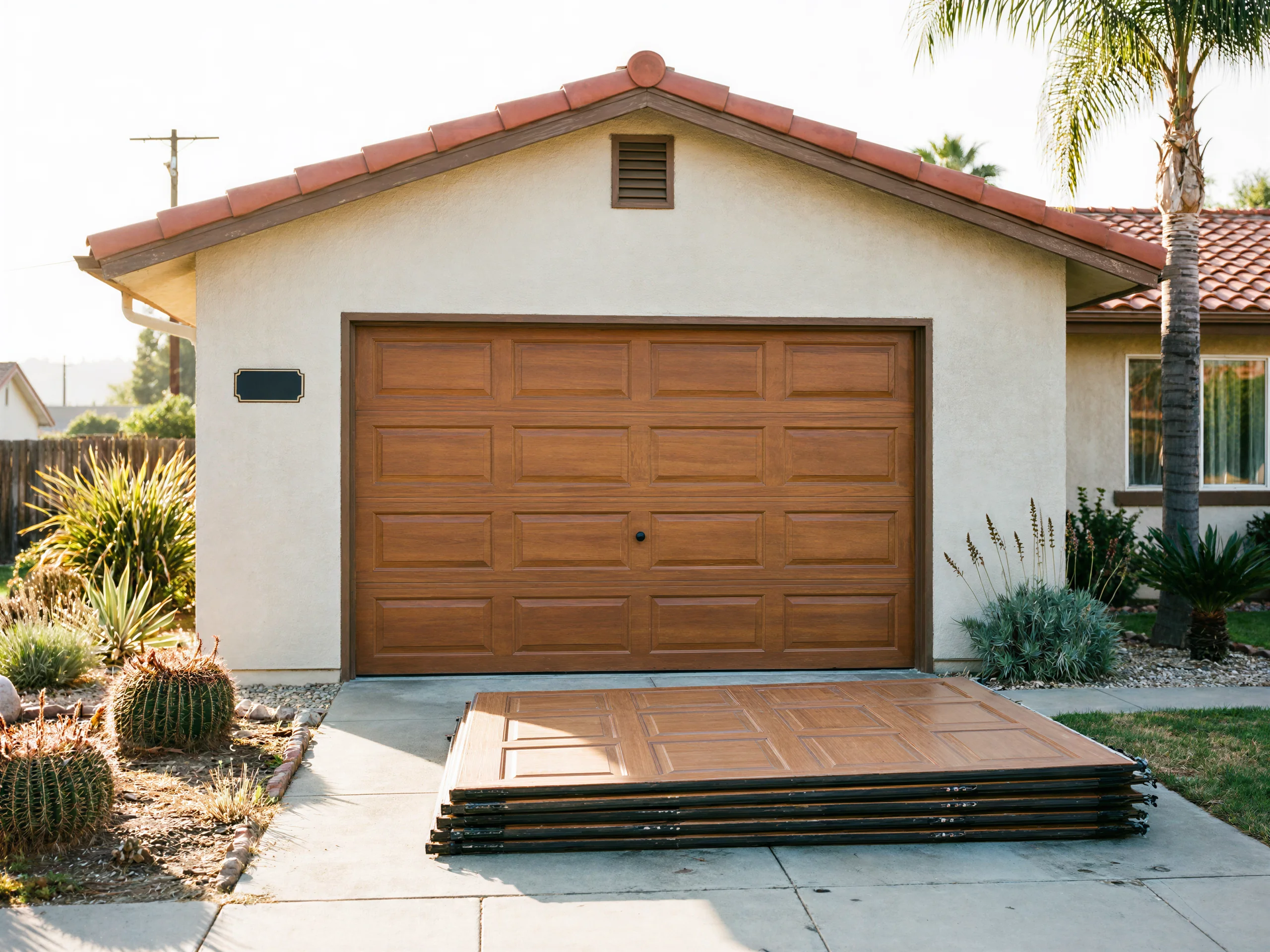
A panel job starts with figuring out whether the section can be replaced on its own or whether the whole door has to go. On a lot of the doors we see out here, that depends on age more than damage.
Discontinued panel profiles
Housing in this part of the valley was built mostly between 1938 and 2007, with the heaviest concentration going up through the 1960s and 70s, and a door from that era often used a panel profile the manufacturer stopped making years ago.
Matched panel swap
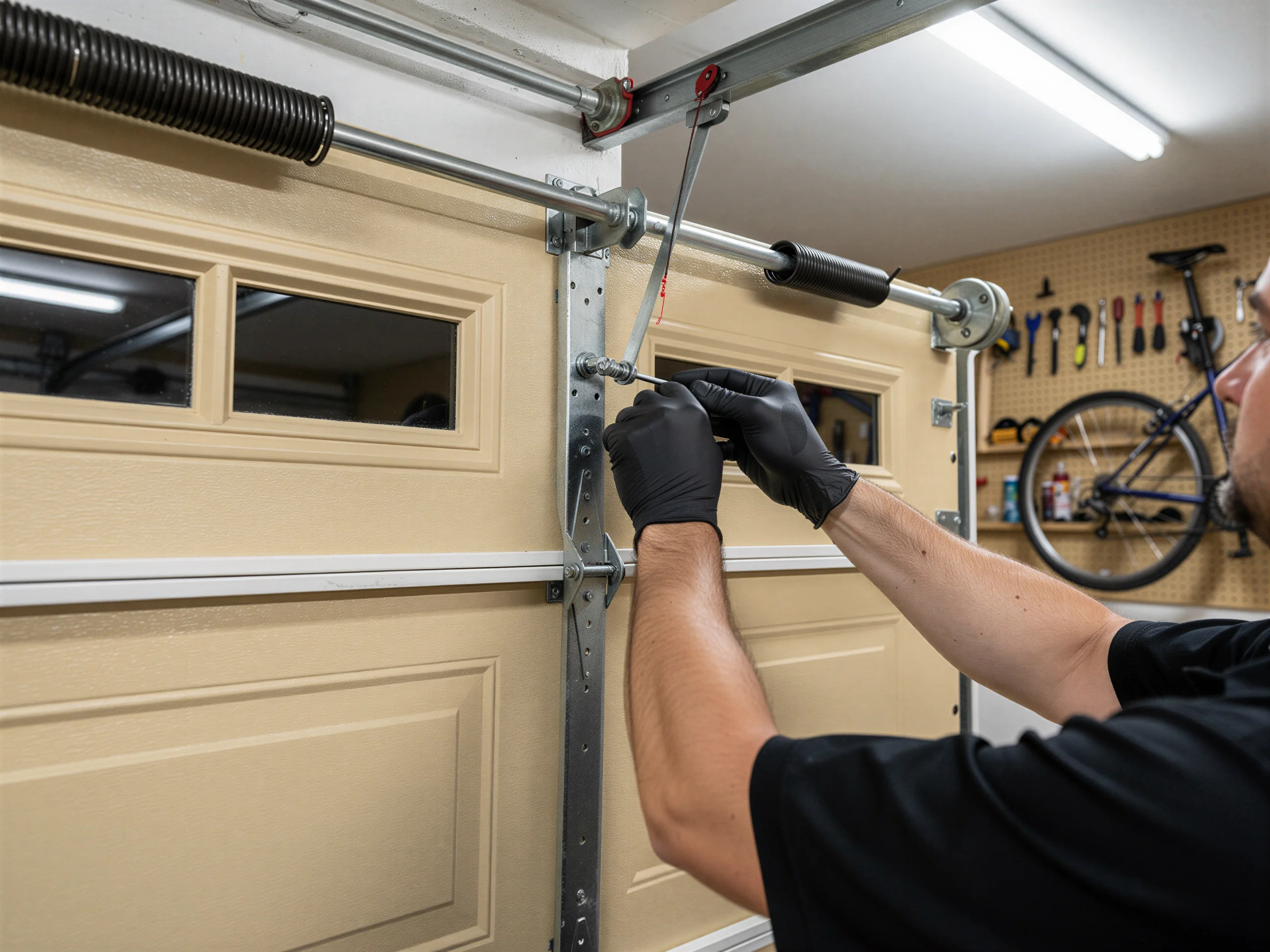
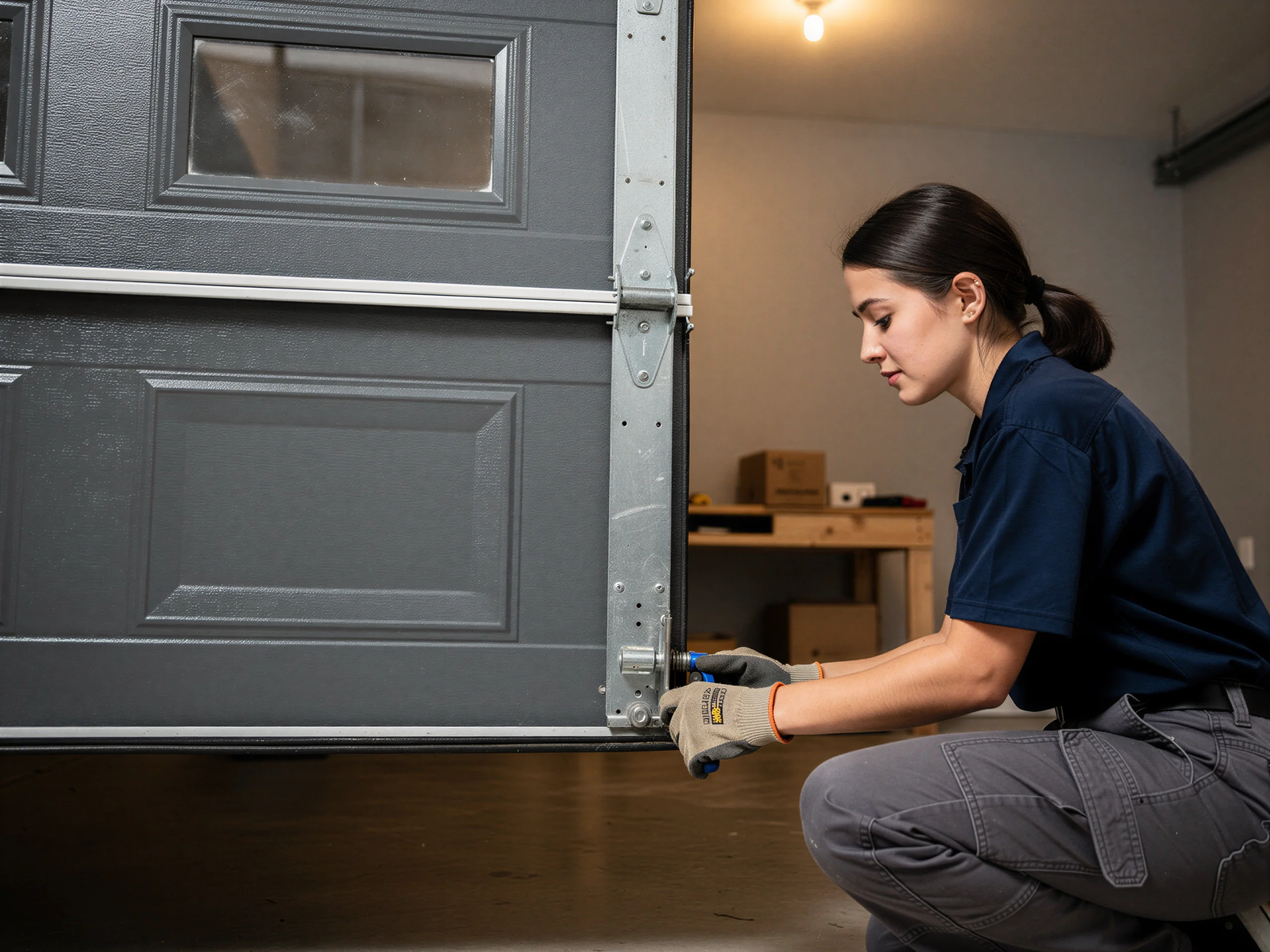
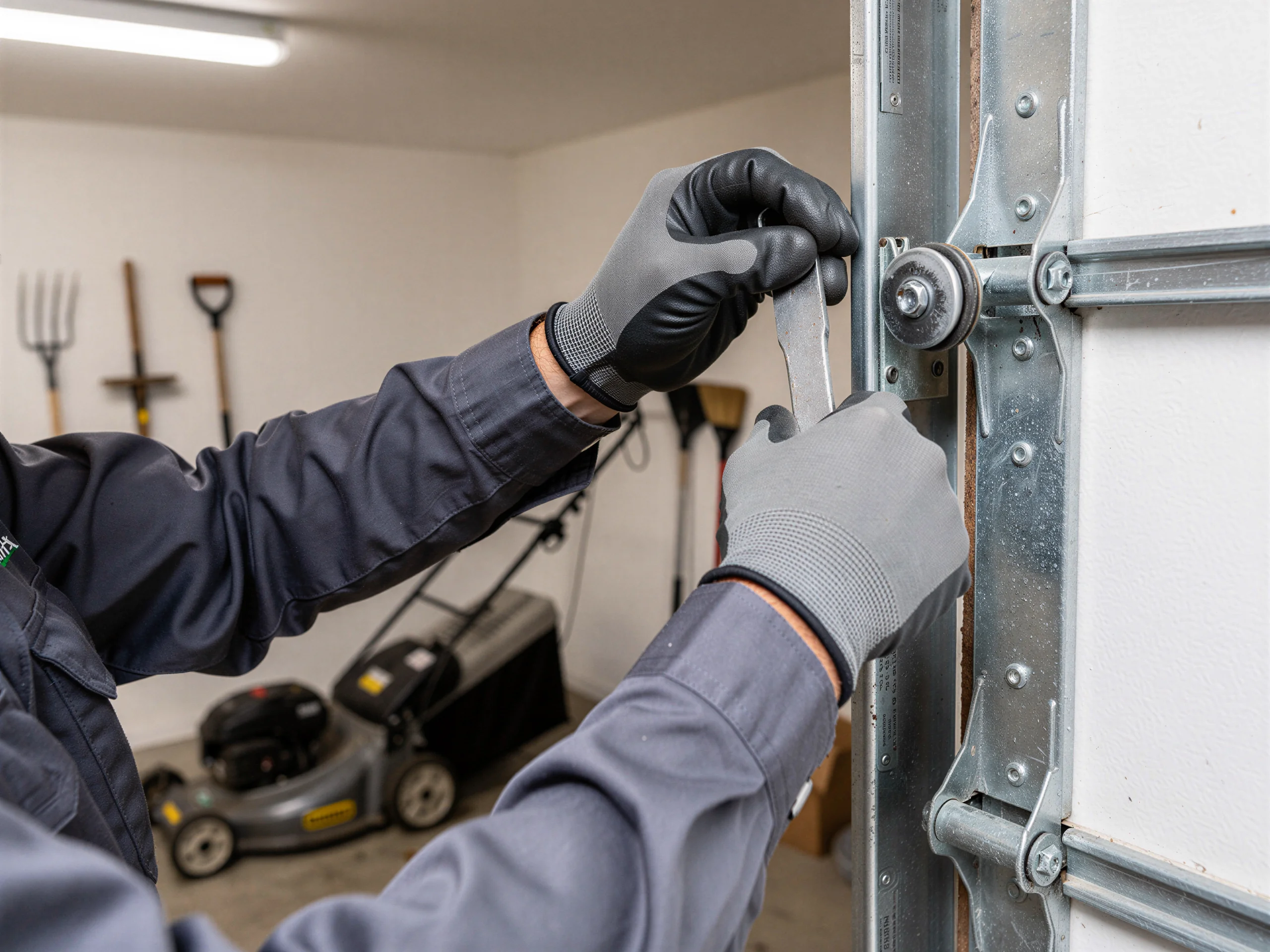
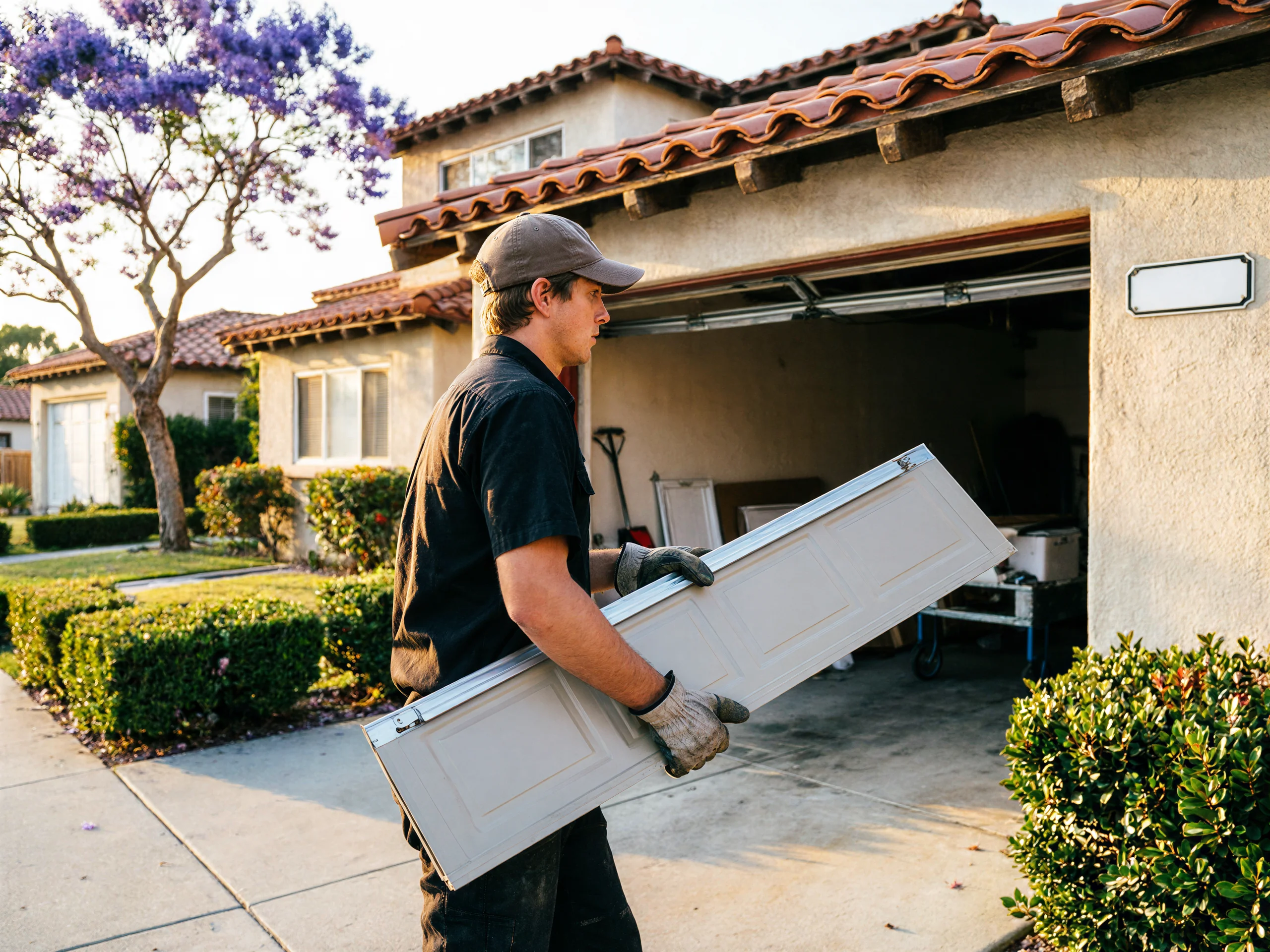
When we can source a matching panel, we pull the damaged section, disconnect the hinges and rollers tied to it, swap it in, and reset the hardware so the door tracks straight again. When we can't match it, we're honest about that up front rather than forcing a mismatched panel onto a door that will look patched for the next ten years.
Checking tracks after impact
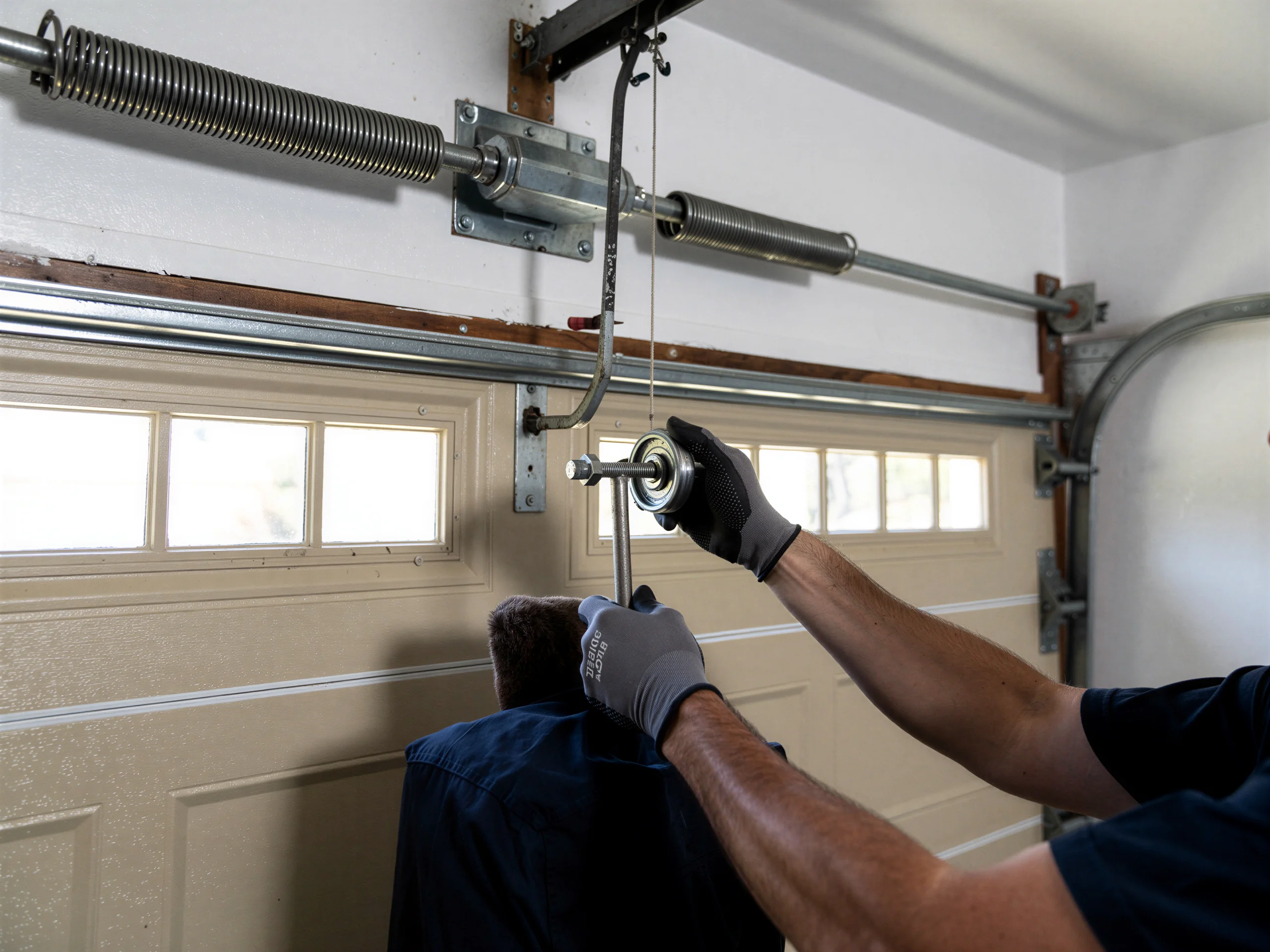
Either way the job includes checking the track alignment and spring balance, because a bent panel usually means something hit the door hard enough to tweak the roller path too, and replacing the panel without checking that just moves the problem down the road a few months.
How to Book
Call or use the contact link on our site and describe what happened - a car backed into it, a panel cracked from age, a section that's buckled inward. That tells us whether we're bringing a replacement panel on the truck or whether we need to measure the door first and order one. We'll ask the door's age or approximate install year if you know it, since panel sizing and the way sections lock together changed more than once over the decades this area's homes were built in. If the manufacturer no longer makes a matching panel, we'll say so on the phone instead of after we've driven out, so you're not paying a trip charge to hear bad news in person.
Why This Fails Locally
Panels fail here for reasons tied to what's actually on the ground. Most of the doors across this service area went in somewhere between the 1960s and the early 2000s, with the median build year sitting around 1972 - old enough that steel panels have had decades of expansion and contraction to work on their seams, and aluminum panels have had just as long to oxidize and go brittle at the corners. The climate band here runs moderate heat rather than hard freeze-thaw, so the damage pattern isn't ice cracking panels the way it would somewhere with real winters - it's thermal cycling, UV breaking down paint and sealant, and the occasional ding from a trailer hitch or a bike that never gets fixed until the panel finally gives. On a lot of these older doors, one damaged panel is also a sign the rest of the sections aren't far behind, since they were installed the same year and have taken the same sun.
How It Shows Up
Usually it starts small - a dent that doesn't bother anyone, or a hairline crack near a hinge bracket that nobody notices until the door starts binding when it opens.
Cracks along ribbing
On the older stock common across this area, that crack tends to spread along the panel's ribbing because the steel has thinned out over fifty-plus years of heat cycling. Other times it's sudden: something hits the door, a section buckles inward, and now the rollers on that panel are riding out of the track every time the door moves.
Panel damage spreads to springs
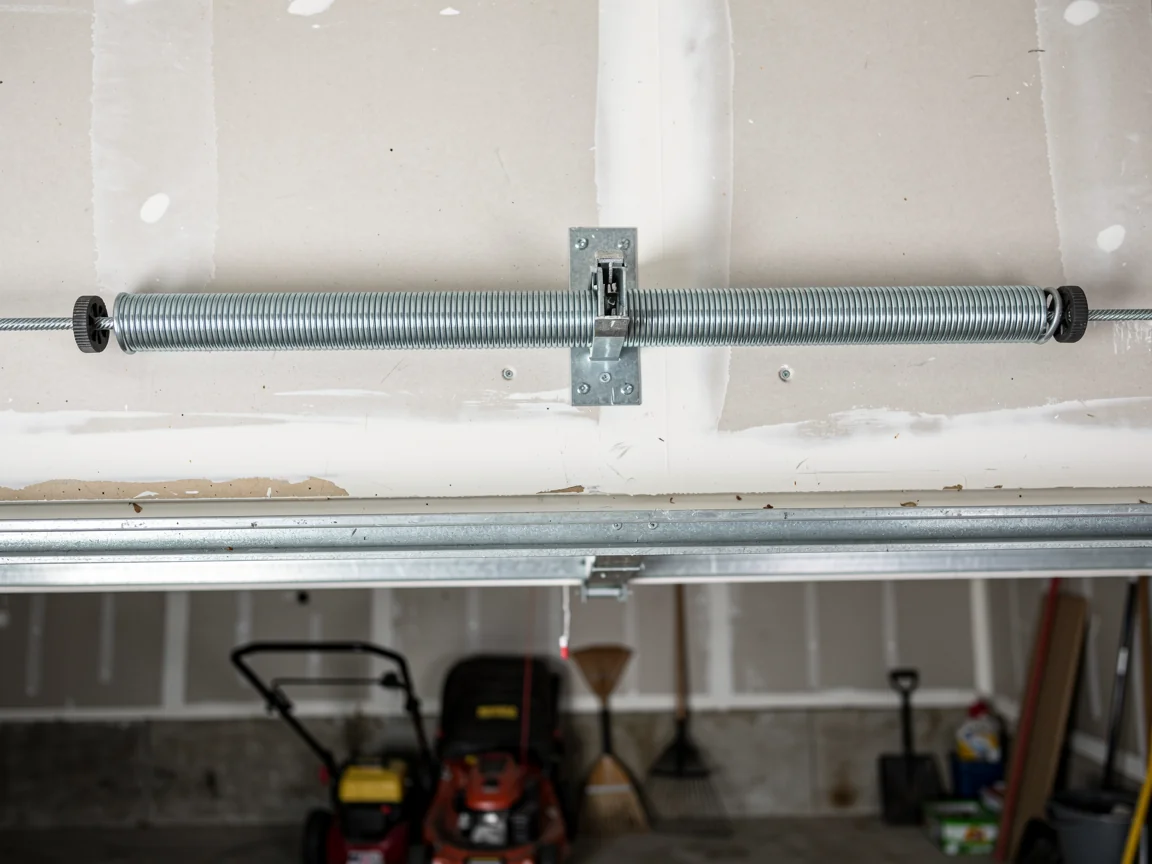
Either way, a bad panel puts uneven load on the torsion spring and the opener, so a job that starts as one cracked section can turn into a spring replacement too if it sits long enough.
Fixing panels early
With a median household income of $105,104 across the households we serve, most owners here choose to fix the panel while it's still a panel job rather than wait for it to become a bigger one.
Talk to a local pro
Garage door service in Chino?
Same-day service with honest, upfront quotes.