
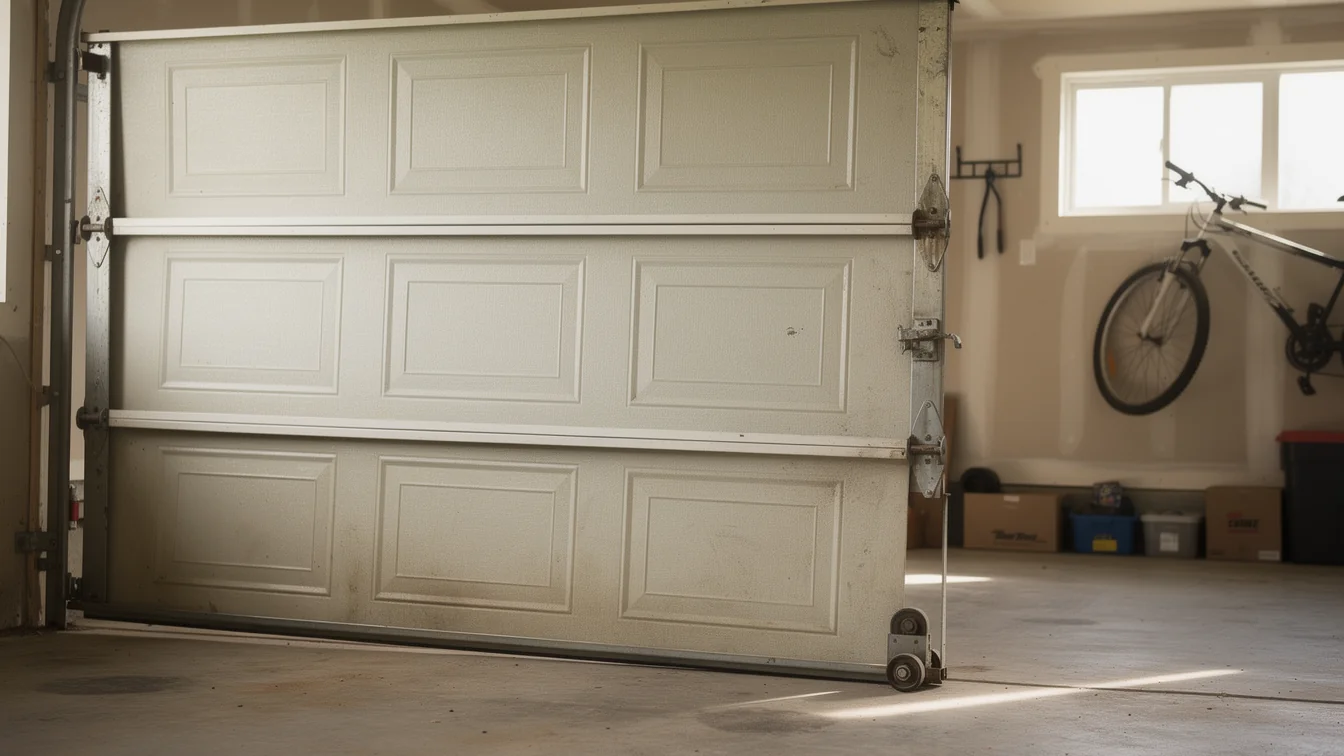
Why a Door Goes Off Track in a Chino Garage
Chino's 1960s-70s housing stock and moderate heat put specific strain on garage door tracks.
Read moreBlogChino, CA · 3 min read
A Chino technician's first-look checklist, built around the 1960s-70s housing stock and moderate heat that define this part of the service area.
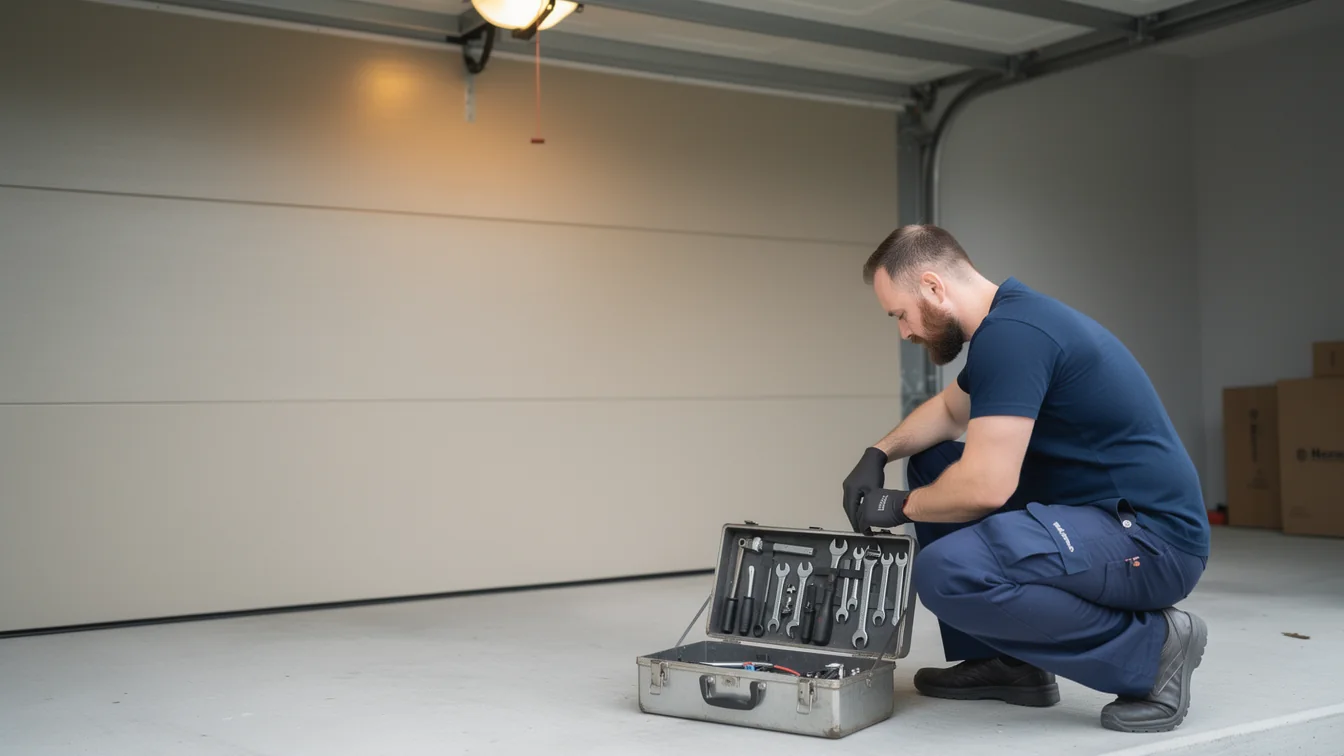
Local detail
There isn't a dramatic seasonal swing here the way there is in places with real winters. Chino sits in a moderate heat band, so we don't get the freeze-thaw cycle that cracks concrete slabs and seizes torsion springs overnight. What we do get is steady, grinding heat exposure, month after month, on doors and openers that were often installed decades ago. A tech doesn't walk in expecting storm damage or ice-locked tracks. They're looking for slow wear: dried-out lubricant, sun-brittled weatherstripping, and hardware that's been quietly working harder than it should because nobody's touched it since it went in. The seasonal bit in Chino isn't an event, it's an accumulation. That changes what gets checked first, and in what order.
The area
Housing in this area was built between 1938 and 2007, with a median build year around 1972, and most of the stock across the 39 named communities nearby dates from the 1960s and 70s. That matters because a door installed when a house was built in 1968 is not the door that's on it now, but the track alignment, the header clearance, and sometimes the opener mounting were all set up for hardware that's long gone. A technician's first stop is usually the track-to-header fit and the spring type, because retrofit openers and replacement springs on 50-year-old framing don't always match the original geometry. On a newer build from the 2000s, the check looks different: factory opener, factory track, and the question is more about whether a part under warranty failed or a sensor got knocked out of alignment. Knowing which era a house falls into before you even open the panel saves a lot of guesswork.
What we find
Moderate heat doesn't destroy a garage door the way hail or hard freeze does, but it works differently. UV and daily heat cycling dry out the rubber seals at the bottom of the door and around the panels faster than people expect, and nylon rollers get brittle instead of smooth. On a lot of the 1960s and 70s builds common in this area, the original steel panels have held up fine structurally, but the weatherstripping and roller sets have usually been replaced at least once by now if anyone's been maintaining the door. A tech checks roller condition, seal flexibility, and whether the opener's heat sensor or logic board is shielded from direct afternoon sun, since garages facing west in Chino's exposure do get hot enough to shorten electronics' working life. None of this is dramatic, which is exactly why it gets missed until a spring or cable finally lets go.
How we work
Call when the door is noticeably harder to lift by hand than it used to be, when you hear a loud bang before it stops working, or when the opener runs but the door barely moves. Those point to spring or cable failure, not something to troubleshoot yourself. If your house falls into that 1960s-70s band common across this area, and the hardware has never been swapped, a full inspection is worth it even before something breaks. One honest limitation: if the track or header framing itself is out of alignment from decades of settling, that's a carpentry and track-realignment job, not a quick part swap, and it can take longer to schedule the right materials than people expect. We'll tell you straight if that's what you're looking at rather than patching around it.
Questions
Yes, though not the way cold-climate areas experience it. The moderate heat band here dries out rubber seals and makes rollers brittle over time rather than cracking things overnight. Annual checks on seals, rollers, and lubrication matter more here than storm-damage repairs.
It can. A lot of the housing stock in this area dates from the 1960s and 70s, and doors from that era were often set up for hardware that's since been replaced. A technician checks whether the track and header still match whatever spring or opener was retrofitted in since.
Not always, but a loud bang followed by the door stopping usually is. Noise from rollers or hinges is often just wear from heat and age. The difference matters because one is a same-visit fix and the other means the door is unsafe to operate until it's addressed.
Recommendation
More garage door guides for Chino homeowners.
Chino's 1960s-70s housing stock and moderate heat put specific strain on garage door tracks.
Read more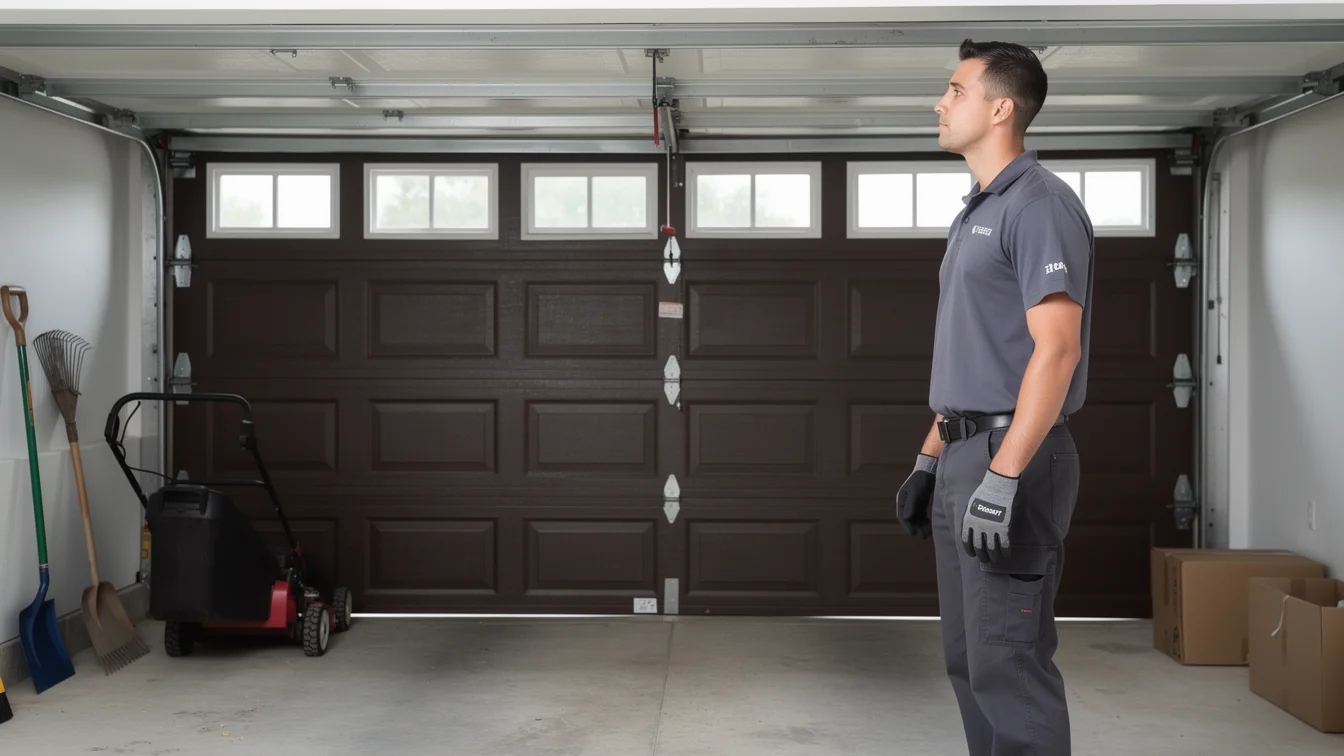
Chino's 1960s-70s housing stock and valley heat swings turn normal door wear into specific sounds.
Read more
A clear look at what happens during a Chino garage door service call, from spring and track checks to the wear patterns common in 1960s-70s homes here.
Read moreReady when you are
Chino Garage Door Co repairs and installs garage doors, springs and openers in Chino, CA and the surrounding area.