What the Fix Involves
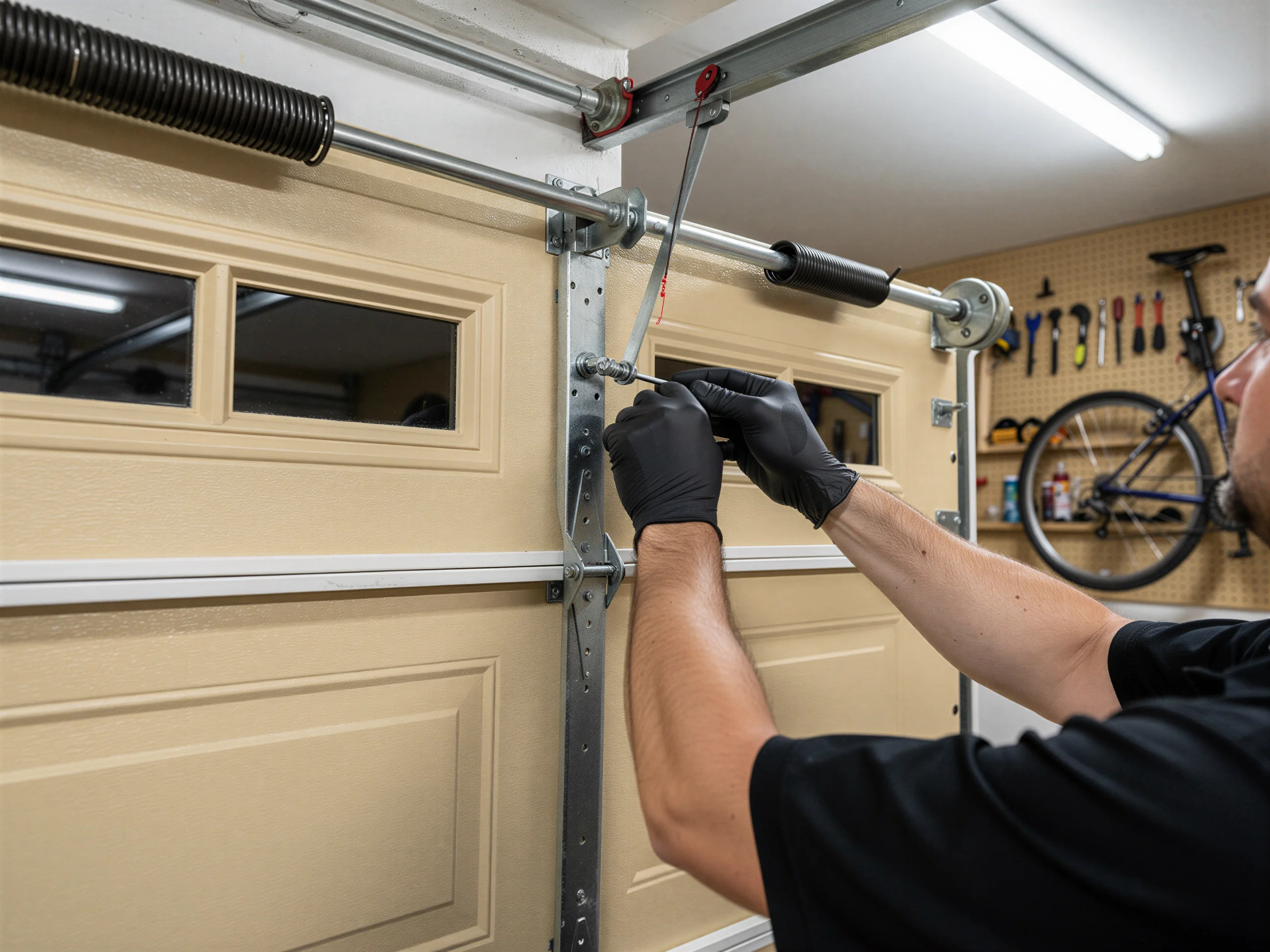
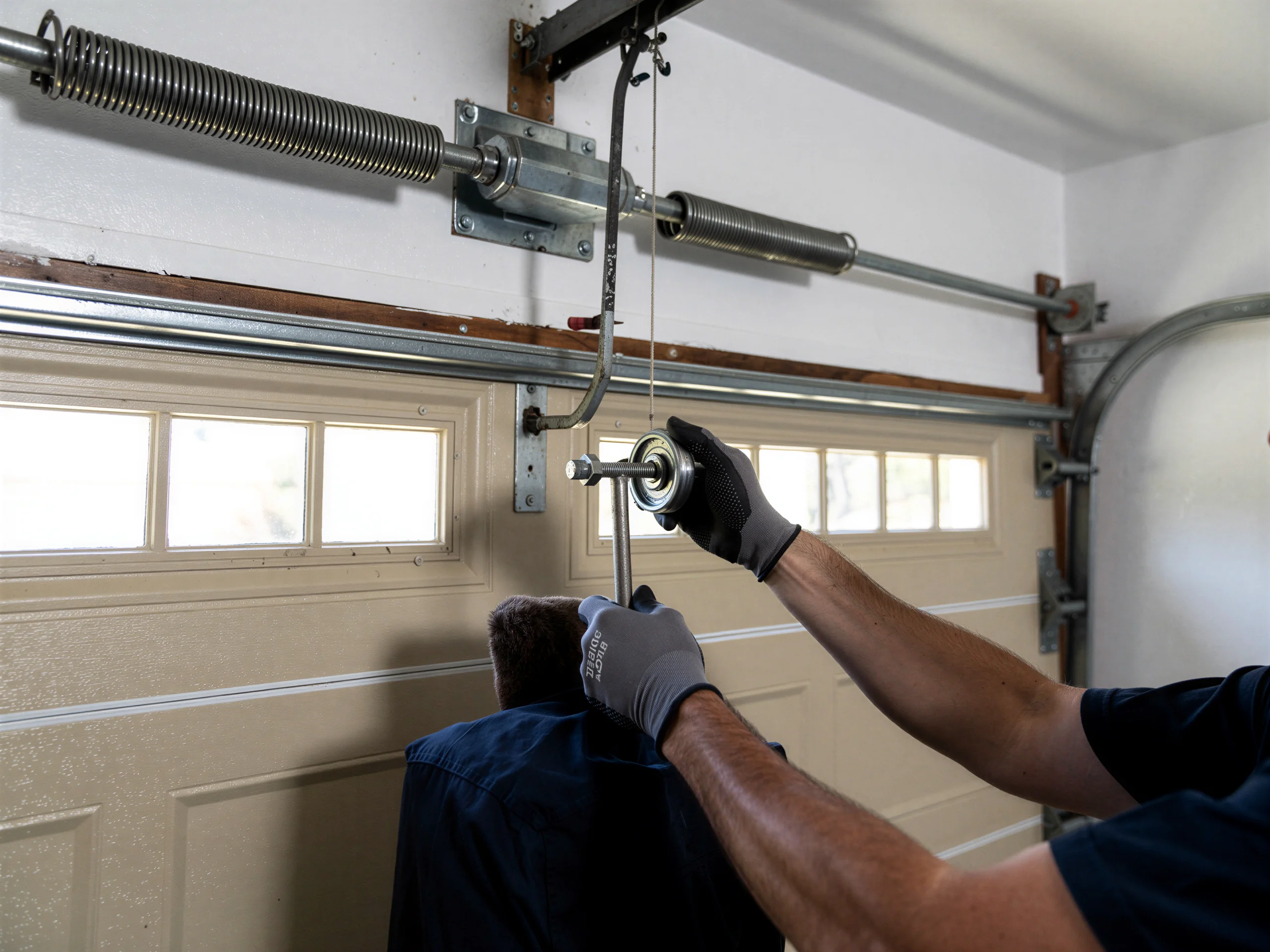
On a 1990-era door, the fix is almost always one of three things: the spring (torsion or extension, depending on how the house was built), the chain-drive opener's drive gear or logic board, or the rollers and hinges that carry 30 years of cycling without ever being replaced.
Diagnose before touching springs
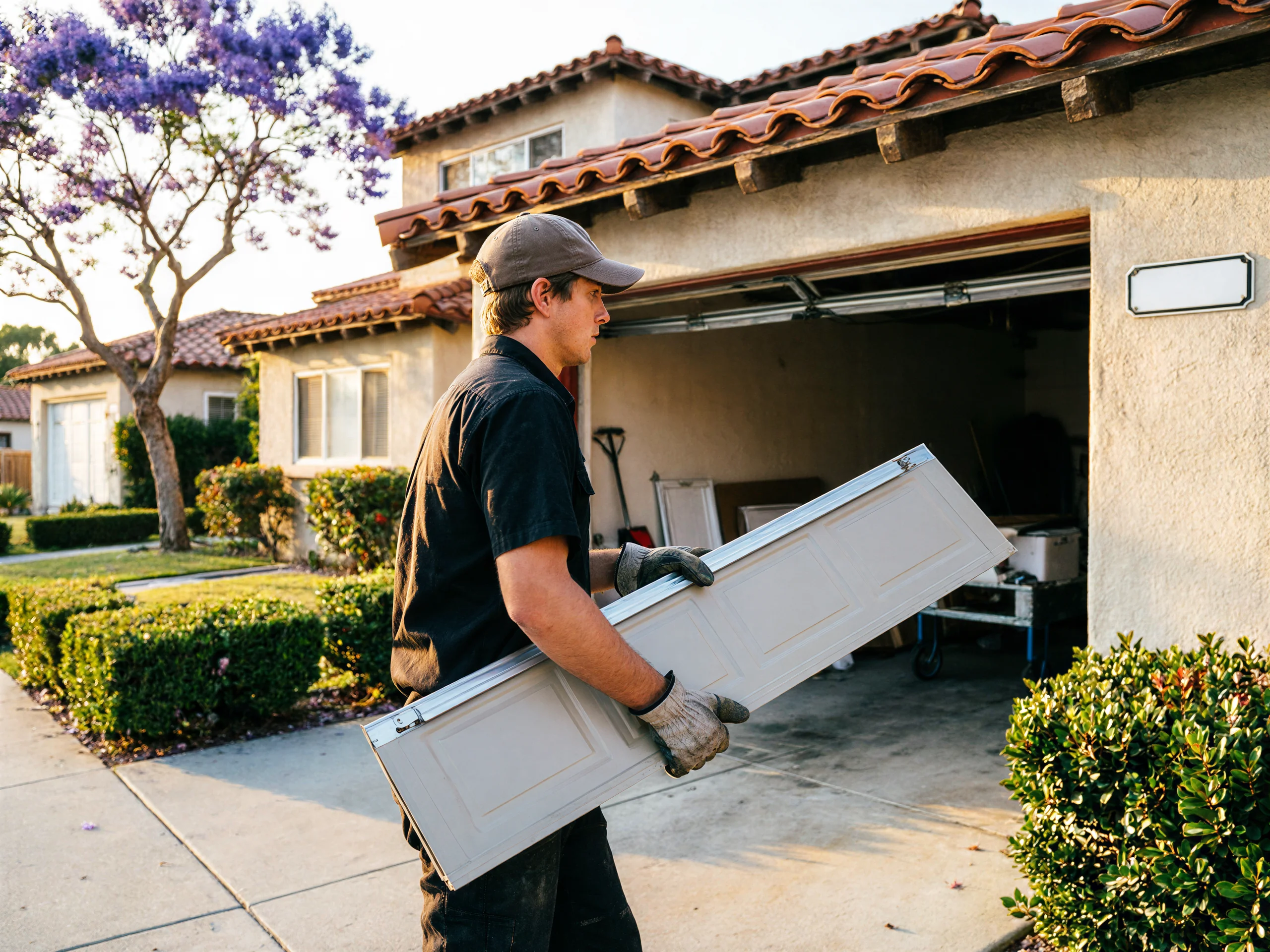
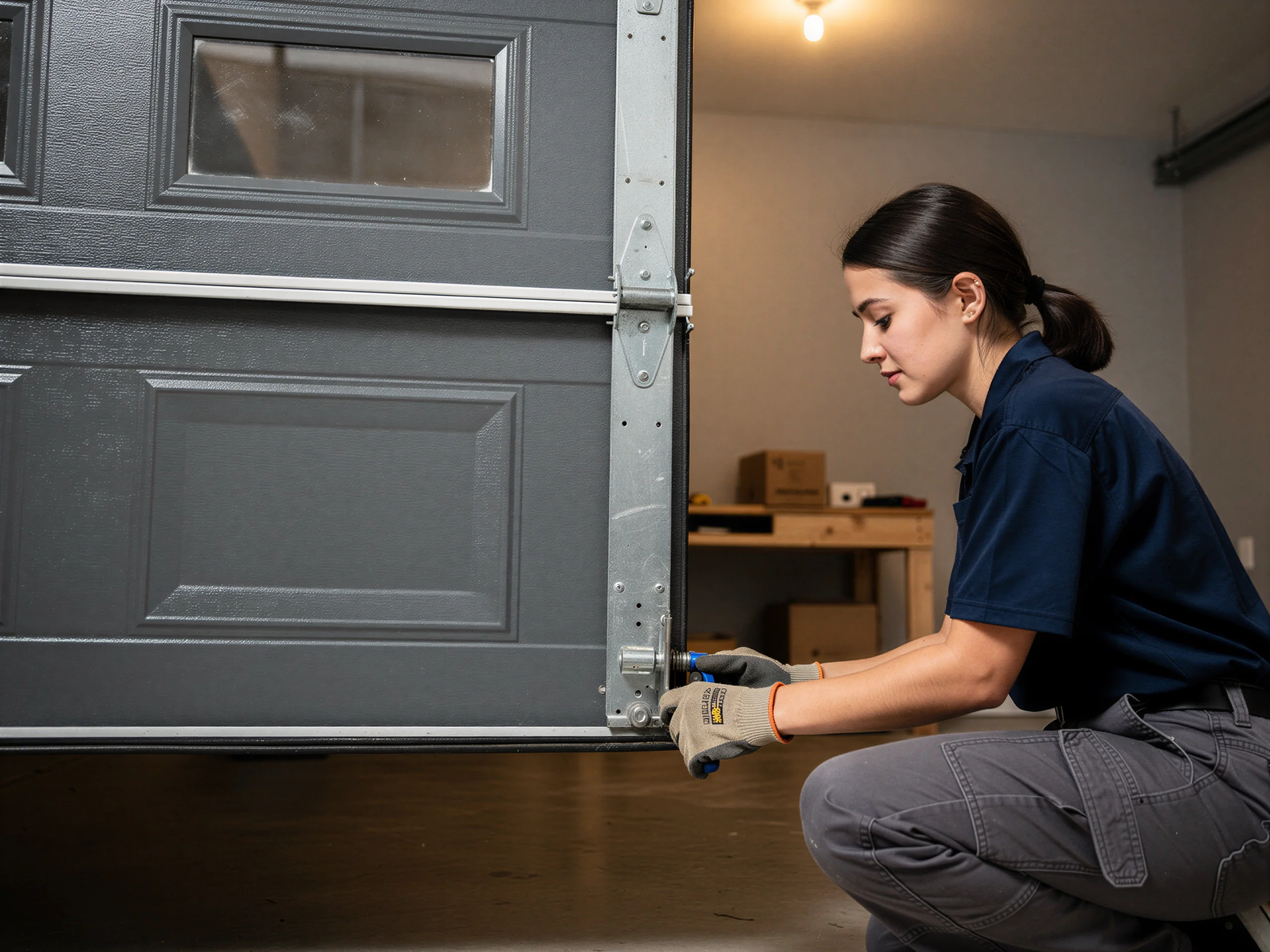
We pull the panel section, check the track plumb, and test the opener's force settings before we touch a spring - a spring that's merely tired looks a lot like one that's broken until you put a gauge on it.
Fewer obsolete parts needed
Because this stock is newer than the 1960s-70s doors common elsewhere in the service area, we're rarely dealing with obsolete one-piece hardware or side-mount torsion setups nobody stocks anymore. That's a real advantage on a Chino Hills call: the parts bins we carry match what's actually on these doors.
Stocked Parts
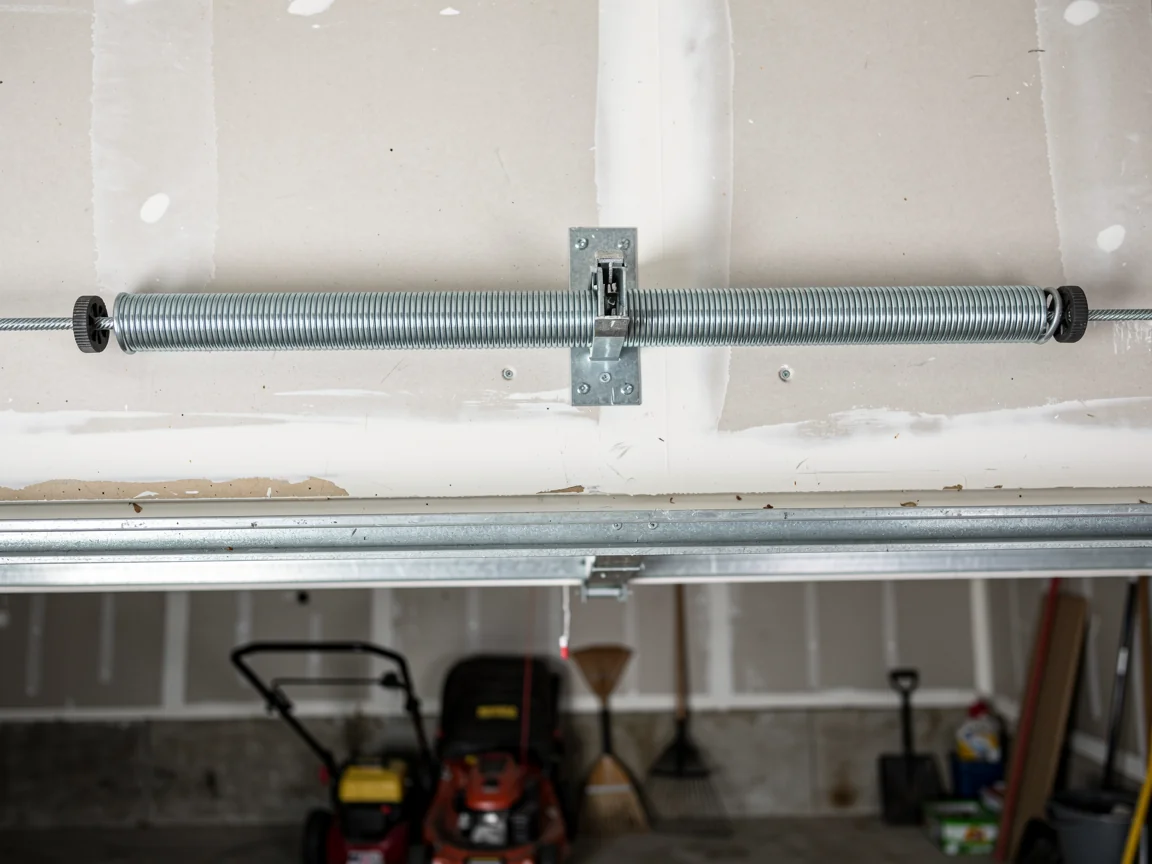
The truck carries torsion and extension springs sized for standard steel sectional doors, chain-drive opener gears and sprockets, nylon and steel rollers, and cable sets that fit 1990s-and-newer track hardware - which covers the bulk of what's on the road in Chino Hills. We don't stock obsolete one-piece door hardware or the side-mount torsion parts that show up on much older stock elsewhere in the territory, because that's not what we're pulling off doors here. If a job needs a part outside that range - a discontinued opener logic board, say - we tell you up front rather than quote a fix we can't actually finish that day.
How Long You Are Without the Door
A spring swap or roller replacement on a standard steel door is a same-visit job once the truck is on site, since the part is already on board for this kind of hardware. An opener board or gear issue sometimes means a short wait if the part isn't one we carry standard. We come from Chino, about 5 miles out, so travel time to Chino Hills is short, but we don't promise a window here we can't back - that's a separate conversation when you call, not a number we print on a page.
Can You Do This Yourself
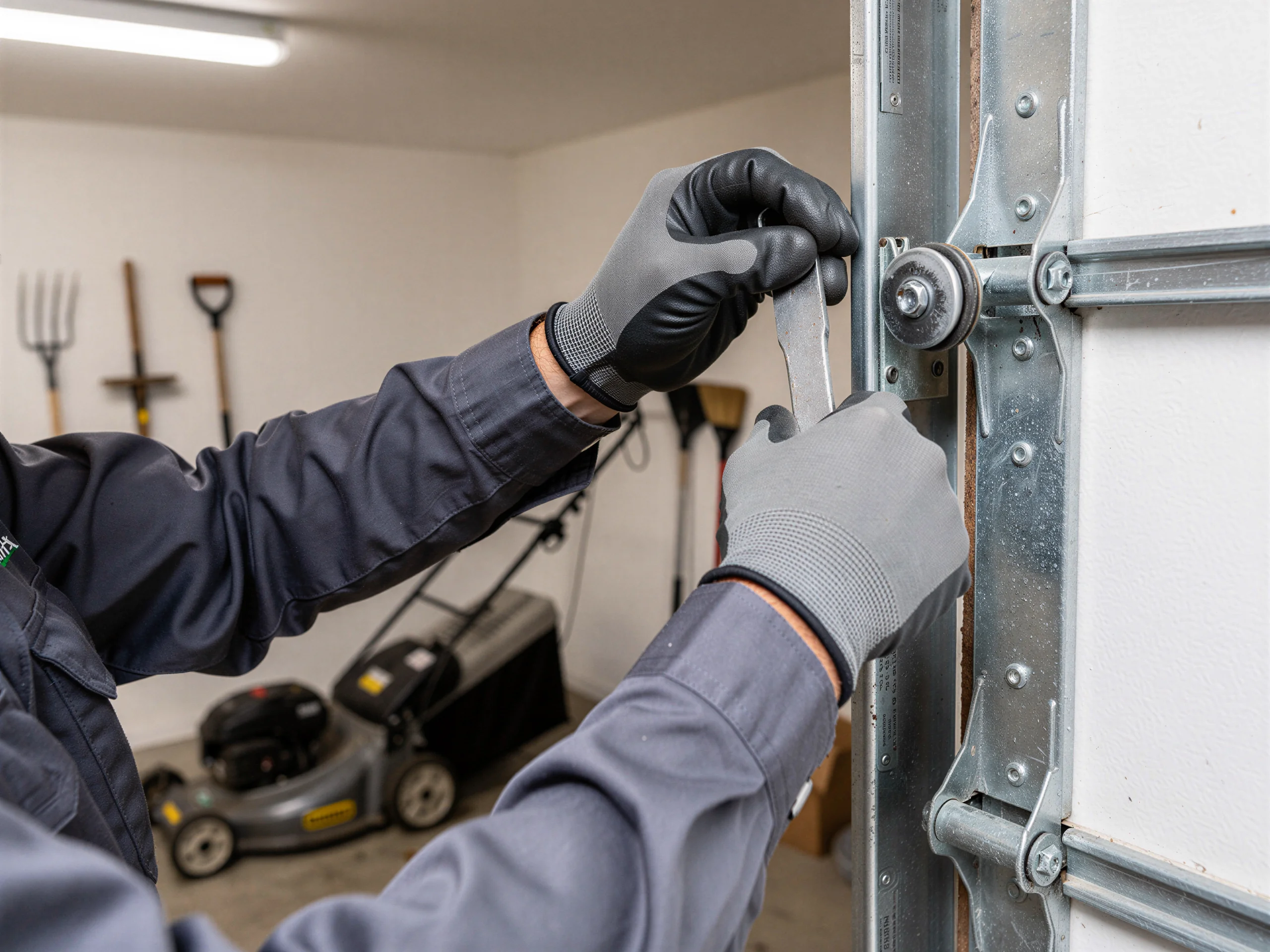
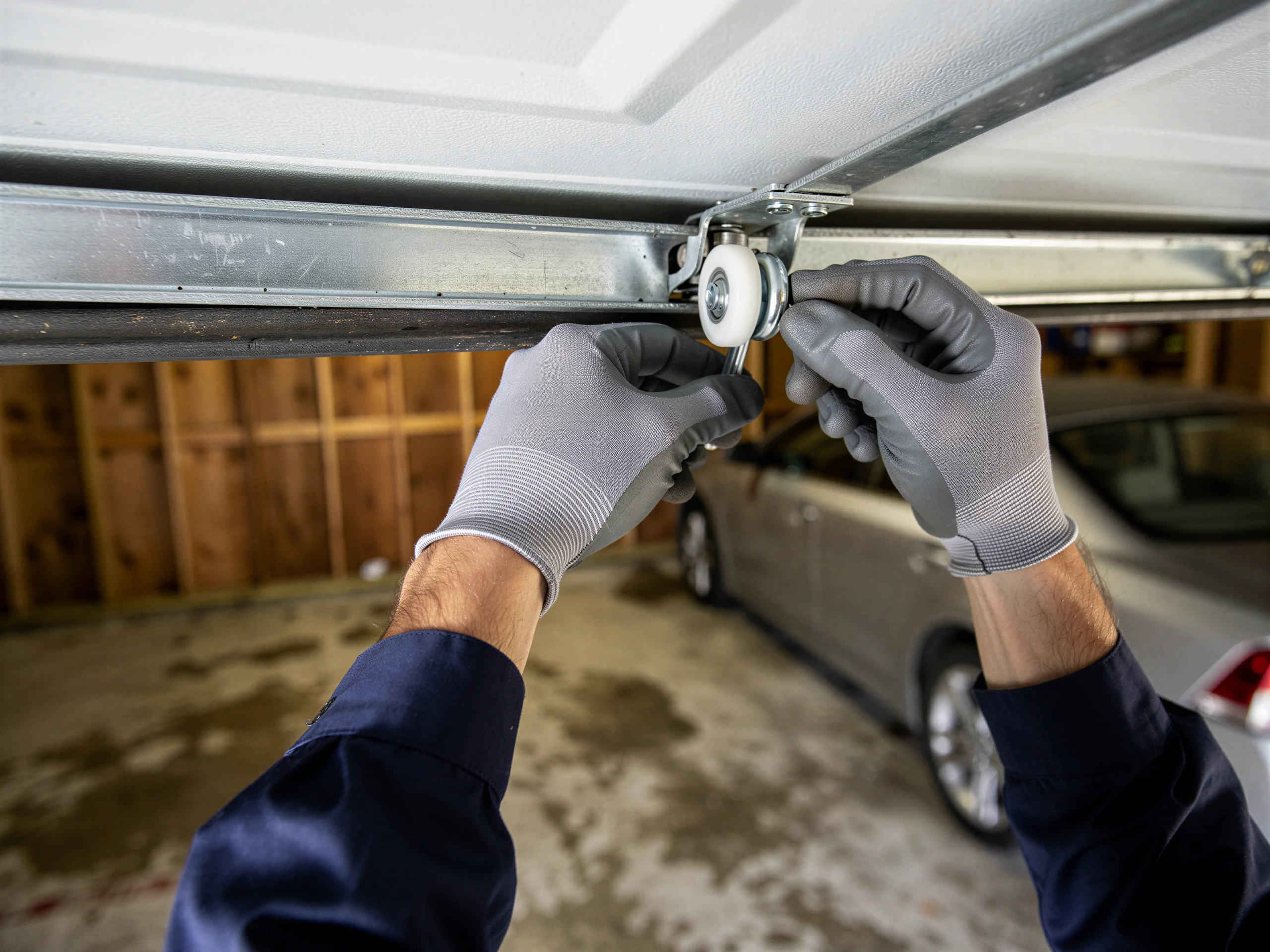
Rollers and hinges on a steel sectional door are within reach for a homeowner comfortable with a ladder and a ratchet - it's slow, not dangerous, if the door is down and the opener is unplugged.
Torsion springs stay professional
A torsion spring is not a DIY job. The spring on a standard residential door is wound under enough tension to break a wrist or worse if the winding bars slip, and that risk doesn't change because the house is newer.
Faulty reversal means calling
If the opener's safety reversal isn't working right - door won't stop or back up when it meets resistance - stop and call. That's not a tinkering problem, that's a liability problem, and it's the one honest line we draw for homeowners who want to save a service call.
How It Shows Up
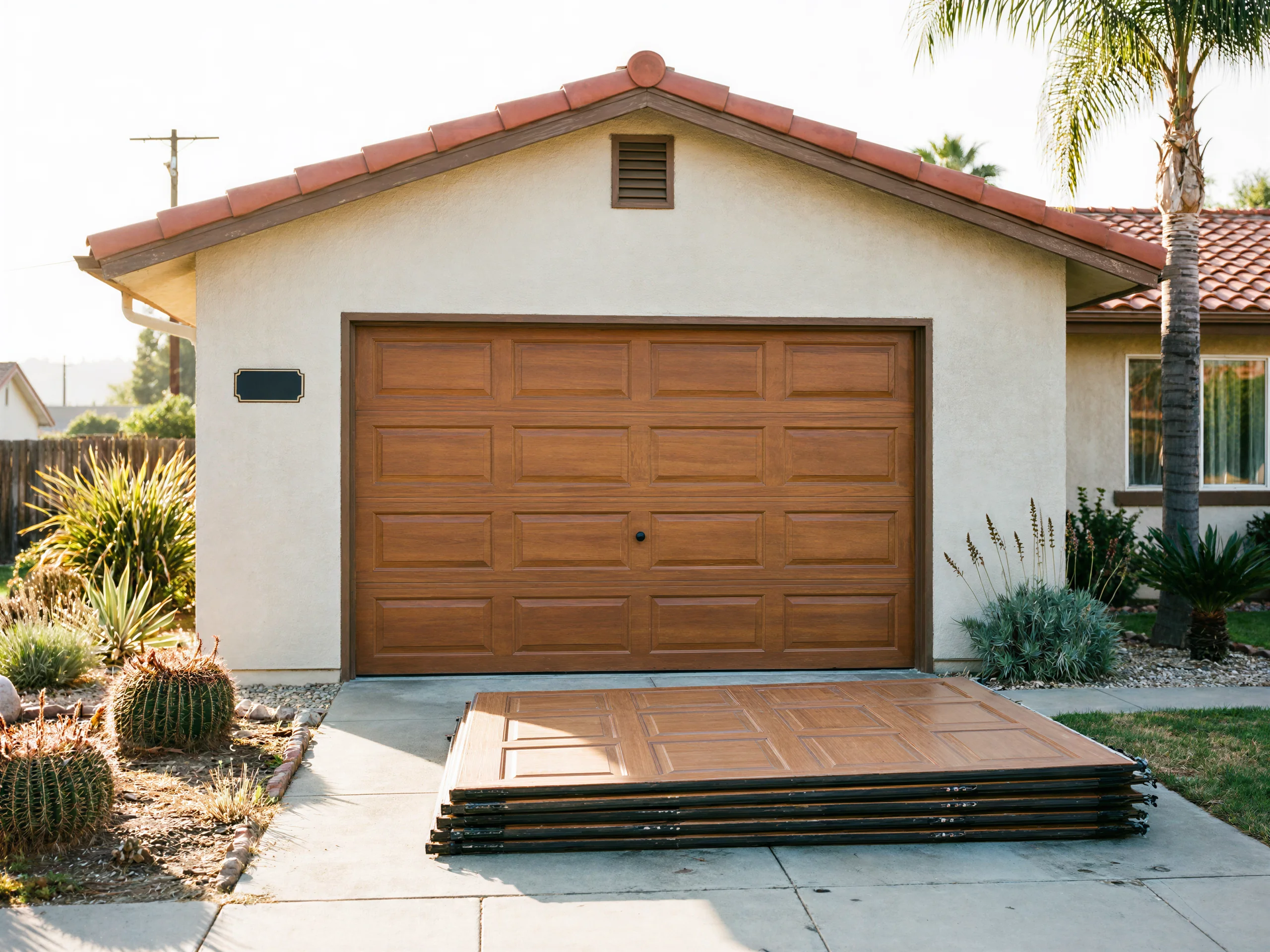
On a 1990-era chain-drive opener, the common complaint is grinding or a door that starts and stalls partway - usually the drive gear stripped from age, not the motor itself. On the spring side, it's a door that feels heavier than it used to, or one side dropping faster than the other when you release it by hand. With household income in Chino Hills running well above the broader area's median - $122,600 against $105,104 - we also see more calls that turn into a straight opener or door replacement rather than a patch repair, simply because the owner would rather upgrade than nurse 30-year-old hardware along for another two years. Both are legitimate calls; we'll tell you honestly which one you're looking at once we're standing in front of the door.
Why This Fails Locally
Most of the houses we work on in Chino Hills went up around 1990, which puts this town a solid two decades ahead of the 1960s-70s stock that makes up most of the broader service area we cover out of Chino. That gap matters. A door and opener from 1990 is a different animal than one from 1965 - steel sectional panels had mostly replaced the old one-piece doors by then, and chain-drive openers were standard in new construction. Thirty-plus years on, that's a chain drive worn past its service life, rollers that have never been swapped, and extension or early torsion springs tired from three decades of cycling. The heat here runs moderate, not extreme, but it's still enough over 30 summers to dry out factory lubricant on cables and hinges and let tracks drift out of alignment as the metal expands and contracts year after year. We don't see the same frequency of original 1960s hardware here that we see elsewhere in the territory - we see 90s steel doors reaching the end of a normal, unremarkable lifespan.
Talk to a local pro
Garage door service in Chino?
Same-day service with honest, upfront quotes.