What the Fix Involves
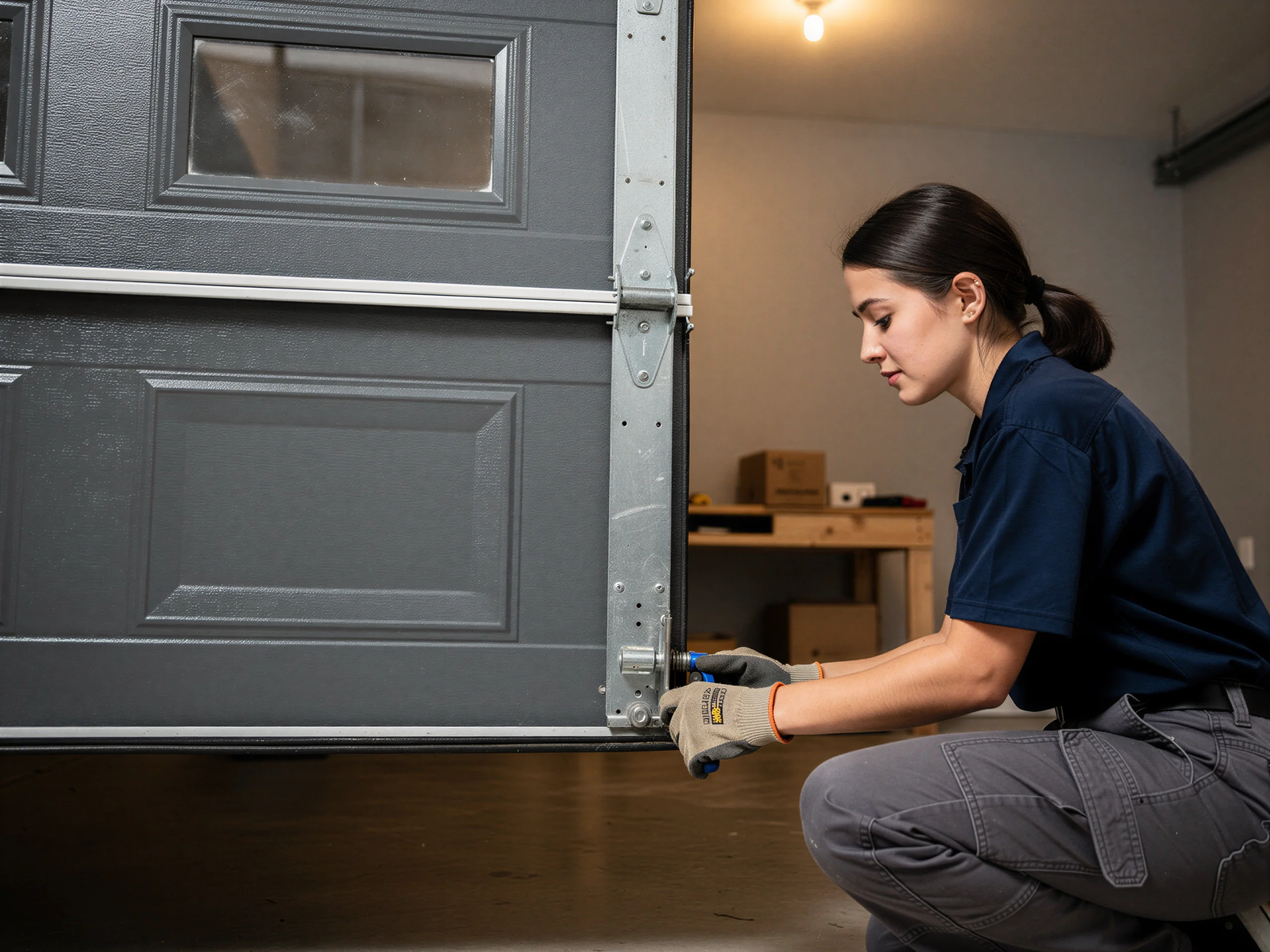
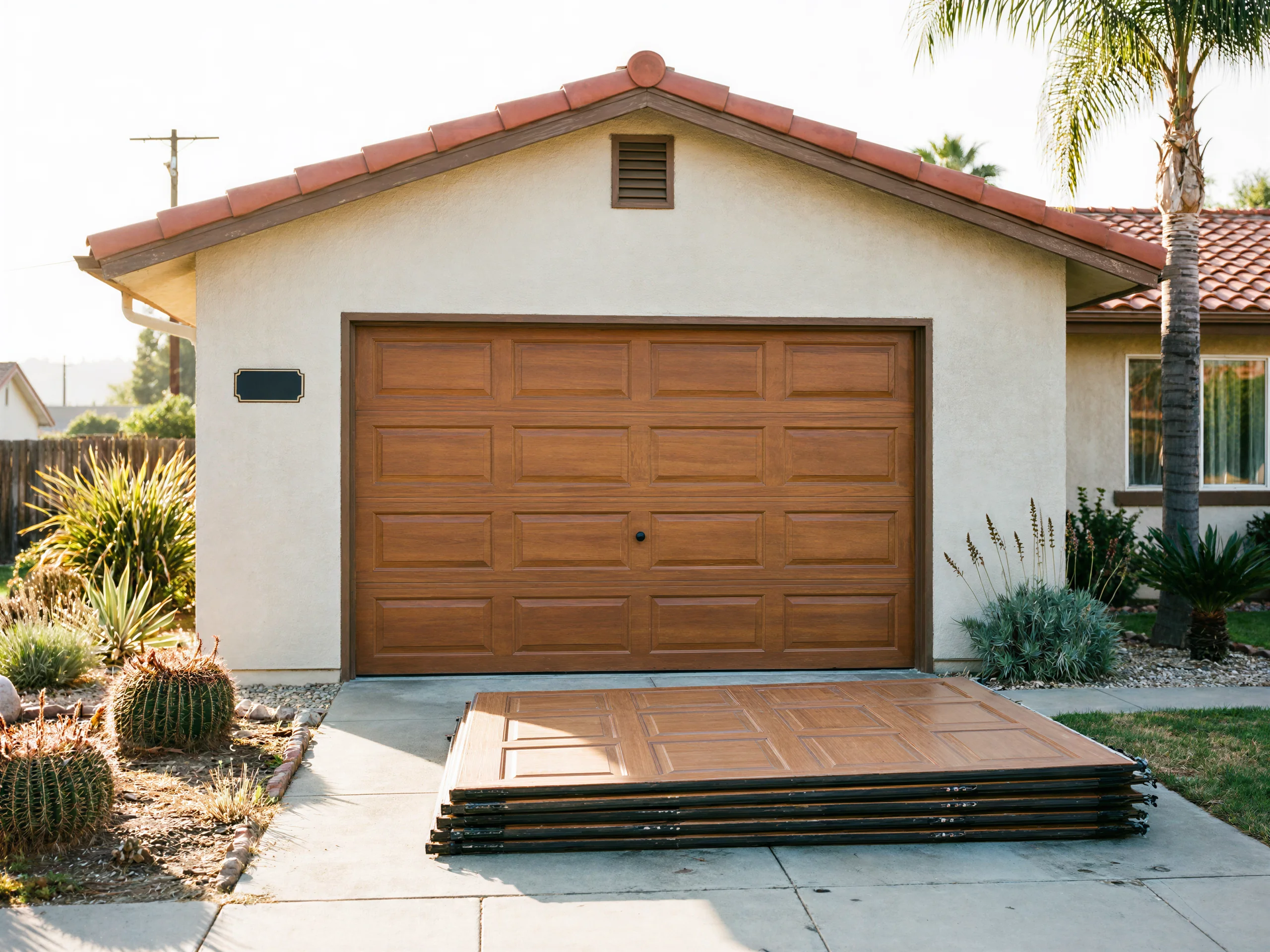
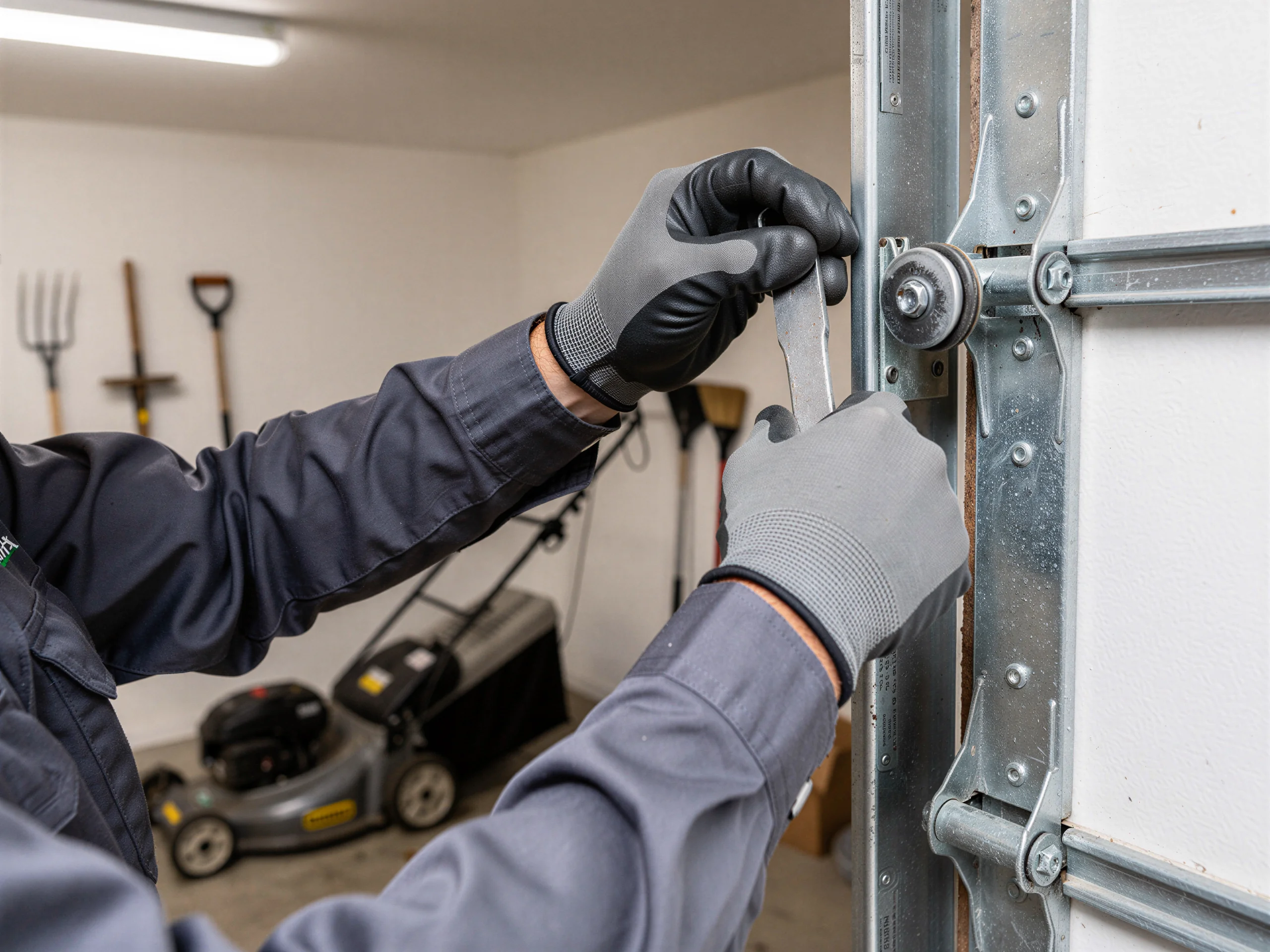
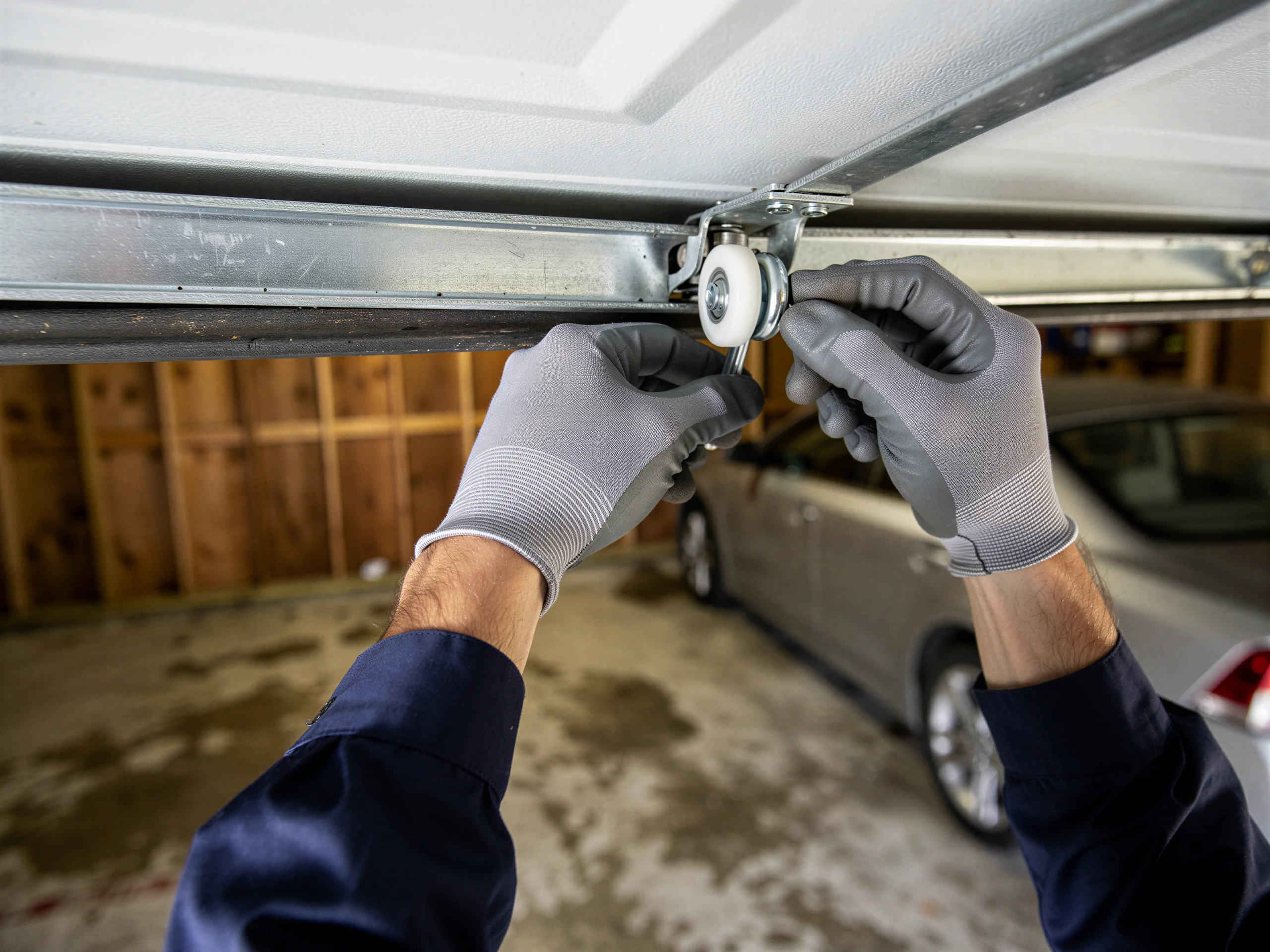
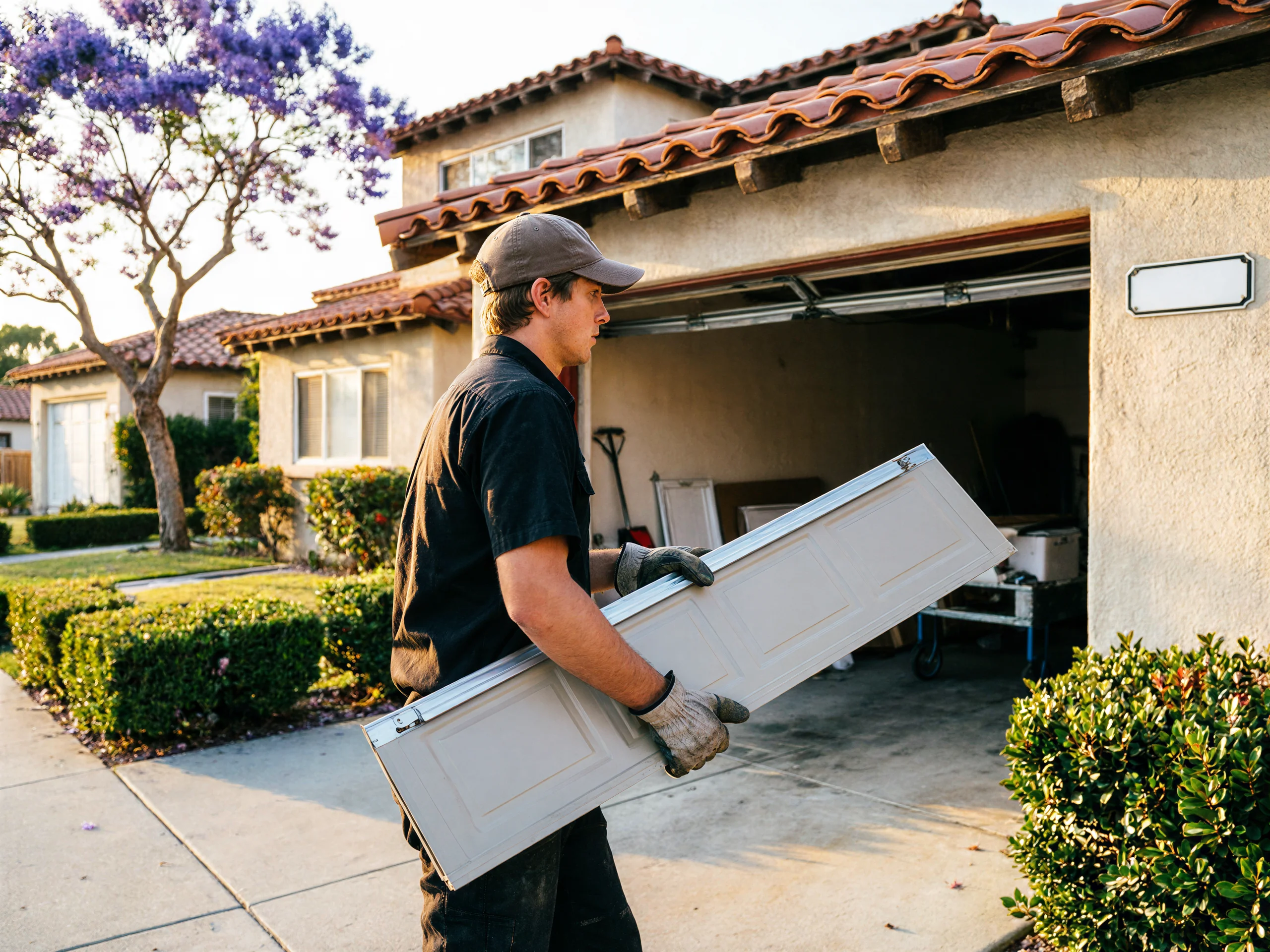
We start by identifying the door line from the hinge stamp and section profile, not by guessing off the color. On a 1990s-era steel door, most damage is contained to one or two sections out of a five or six section door, so the job is pulling the damaged section, unbolting the end stiles and hinges from it, and transferring that hardware onto the replacement panel.
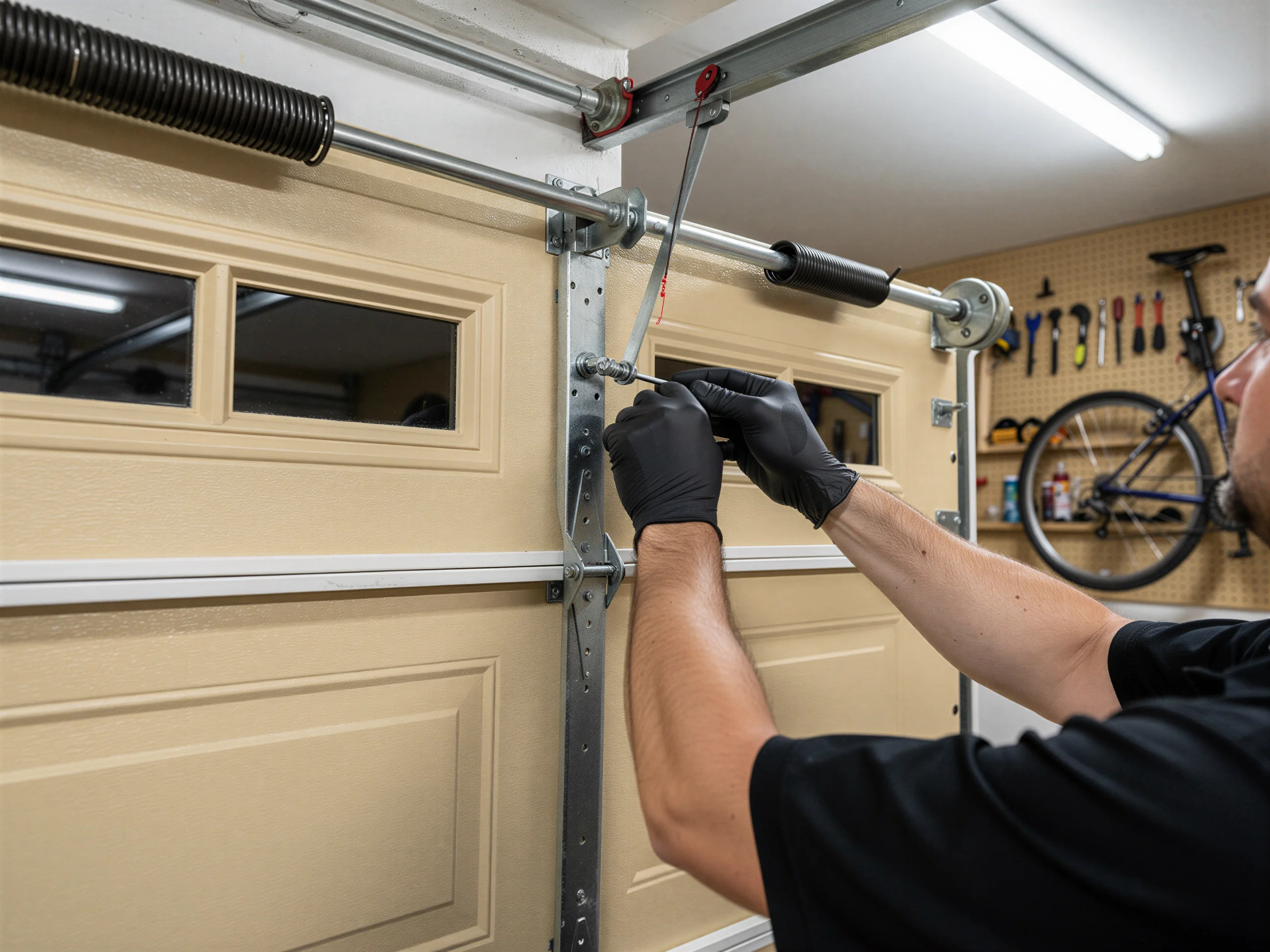
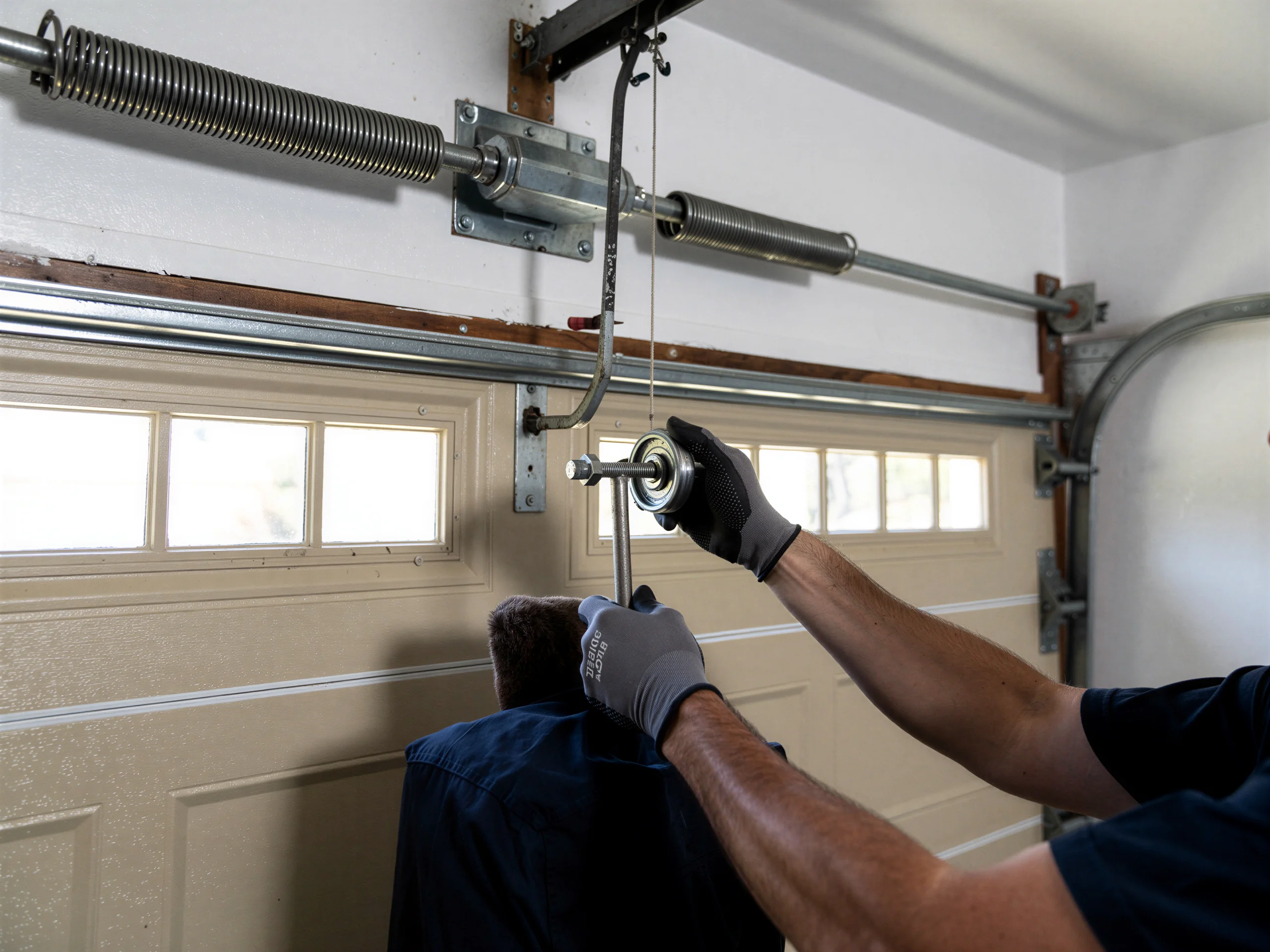
If the dent crosses a hinge mounting point or the foam has separated enough that the section flexes when the door runs, we don't patch it - we swap the whole section. Patching a structural dent on a foam-core panel just moves the failure point to the next cycle. We also check the torsion spring sizing while the door is apart, since a mismatched section weight, even a few pounds off, throws the spring tension out and makes the opener work harder than it should.
Stocked Parts
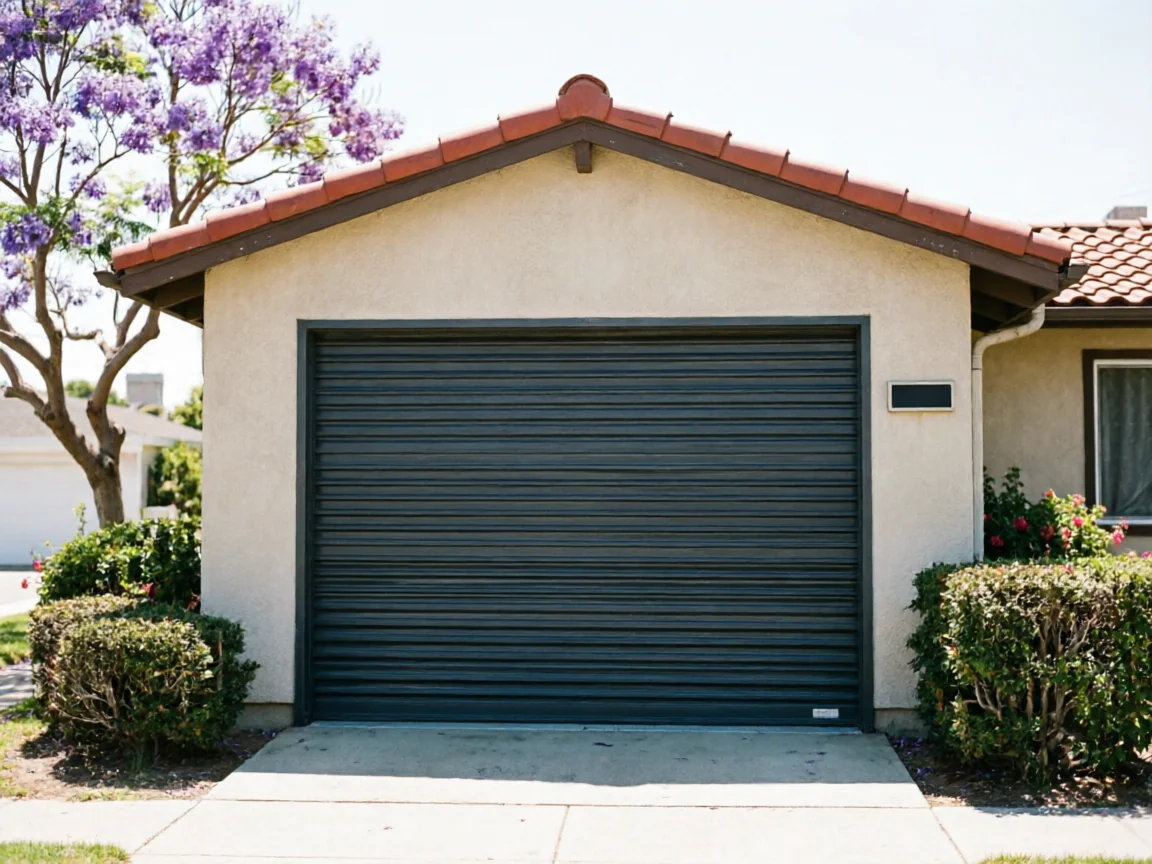
What we carry on the truck is whatever matches the steel sectional profiles common to the 1990s build window this area sits in - standard raised-panel and flush steel sections in the handful of finishes that show up most on doors from that era.
Color drift on panels
What we don't carry is an exact color or embossing match for every manufacturer. Steel door colors drift over three decades, and a section ordered today won't be identical to a panel that's weathered since the house was built.
Visible seam on light doors
We're upfront about that before we start the job: the replacement section will be close, sometimes very close, but on a light or sandtone door you may see a faint line between old and new panels until the whole door weathers evenly.
Full door when matching matters
If a true match matters to you - say you're planning to sell - full-door replacement is sometimes the better call, and we'll tell you that straight instead of selling a panel swap that won't satisfy you.
How Long You Are Without the Door
A single-section panel swap on a standard double door is usually a same-visit job once the correct section is on the truck or sourced ahead of the appointment - the door comes apart, the hardware transfers, the door goes back together and gets balanced the same day. What extends it is sourcing: if the section isn't one we're already carrying for this area's common door lines, we're waiting on the supplier, not doing extra labor.
We travel to Chino Hills from Chino, about 5 miles out, for every call - there's no separate branch here, so scheduling runs through the same dispatch as the rest of the service area.
Can You Do This Yourself
Unbolting a damaged section and bolting in a new one looks simple, and on paper it is - a few bolts, a few lag screws into the end stiles.
Spring tension danger
Where homeowners get hurt is the torsion spring that's still loaded on the shaft above an open door, and a shortcut a lot of people try: leaving the door down and working on it without winding down the spring tension first.
Panel swap skill threshold
If you're comfortable with winding bars and you've done this before, a one-panel swap on a lightweight steel door is within reach. If you haven't, or the door is a double-wide with two springs, call someone.
Finish and embossing limits
The honest limitation here is panels: we don't stock every finish and embossing pattern for every manufacturer that built doors going into Chino Hills houses in the 1990s, so even a professional swap can leave a visible seam in color until the door weathers.
How It Shows Up
You'll usually notice it before you notice the dent itself: the door runs rougher through that section, there's a faint grinding or knocking as the roller passes the deformed spot, or the door doesn't seat flush at the bottom when it closes because one section is bowed slightly inward. On a foam-core steel door, a hard enough impact can also pop the inner skin loose from the foam without creasing the outer skin much at all - the door looks fine from the driveway but sounds hollow when you knock on it near the damage.
Some owners wait, since a dented panel doesn't stop the door from opening and closing. That's fine for a while, but a bowed section puts uneven load on the track rollers on that side, and over months that wears the roller and track faster than it should on a door this age.
Why This Fails Locally
The fault we see most in Chino Hills isn't the fault we see on older streets closer to Chino. Houses here run a median build year of 1990, which puts most garage doors into the steel sectional era with factory baked-enamel finish and a foam core between the skins. These panels don't sag or rot the way an old wood door does. They dent. A trash can clipped on the way out, a bike handlebar, a kid's ball - the steel skin creases and the foam behind it crumbles at the crease line, and that panel never pulls flat again no matter how many times you push it back.
Because this stock is newer, the fastener pattern and section height are more standardized than what we run into on the 1960s-70s doors that make up most of the wider Chino service area. That's good news for sourcing, but it also means a mismatched panel is more obvious - a slightly different stucco-match white or a sandtone next to a dented section stands out fast on a 30-year-old door that's never needed a panel before.
Talk to a local pro
Garage door service in Chino?
Same-day service with honest, upfront quotes.