What the Fix Involves
For a 1990s-era Chino Hills garage, we start by measuring the actual opening rather than assuming a standard size - builders in that era used a few common double-door widths, but not all of them match what's sold off the shelf today.
Header sizing for torsion
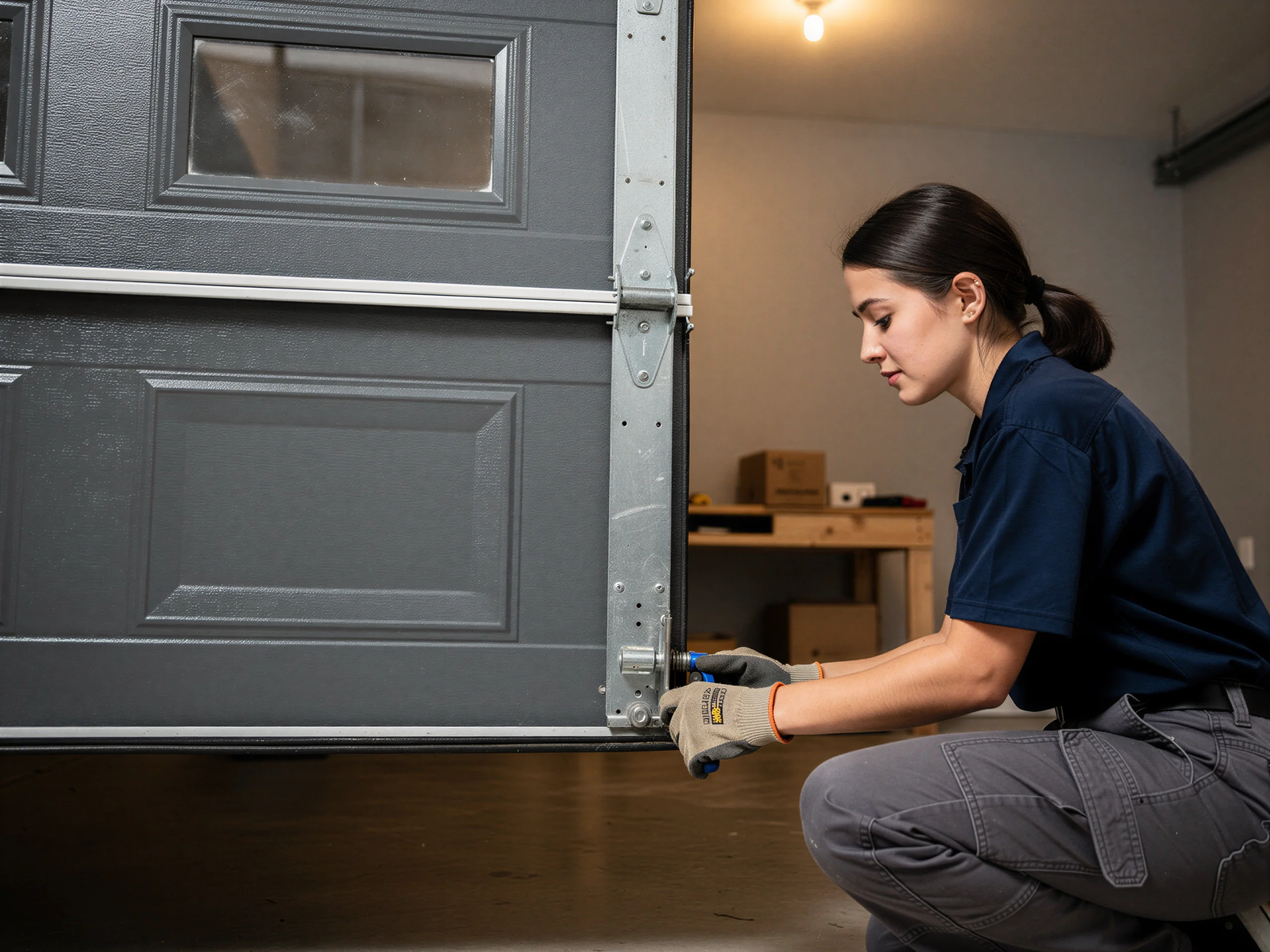
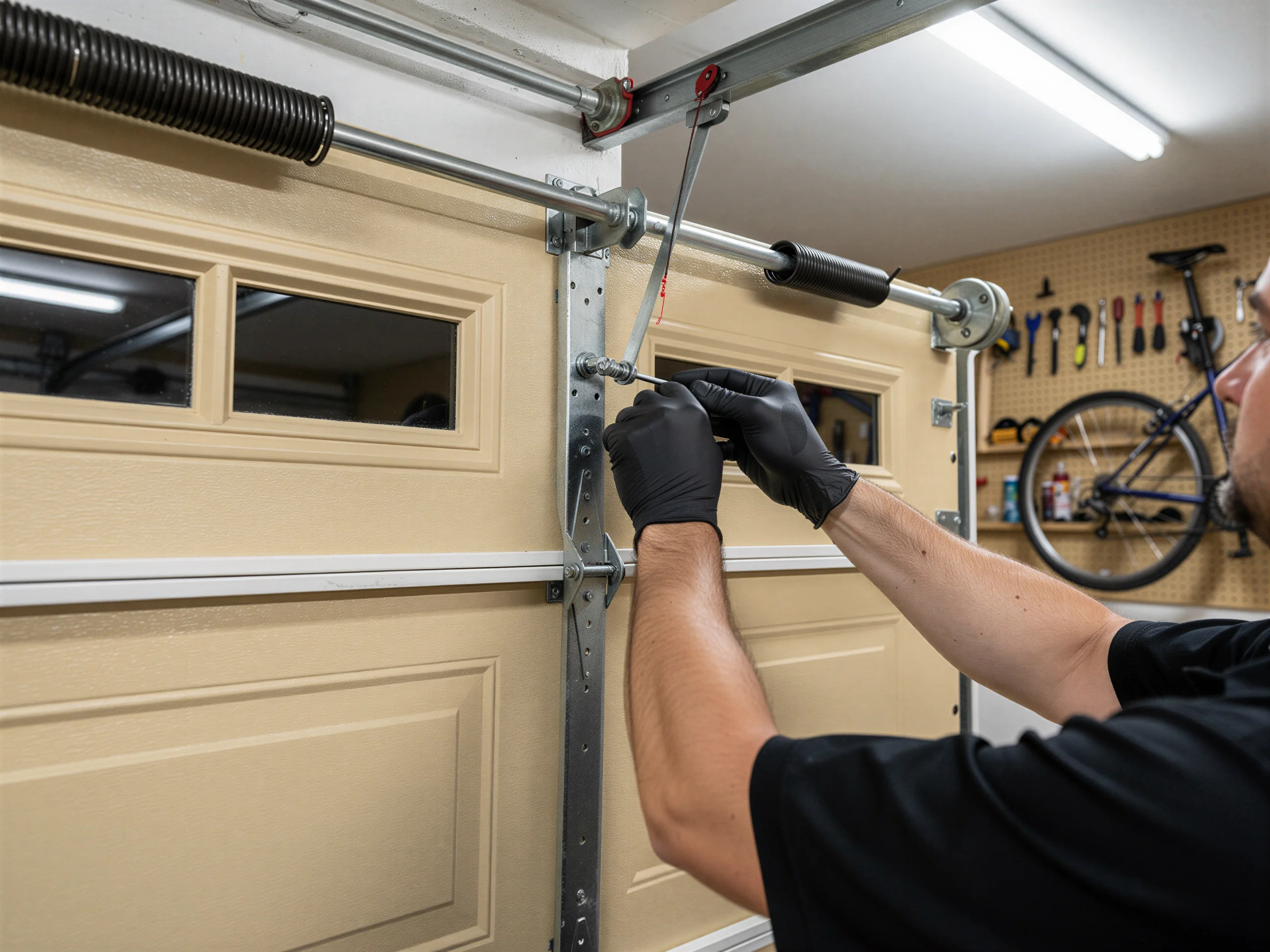
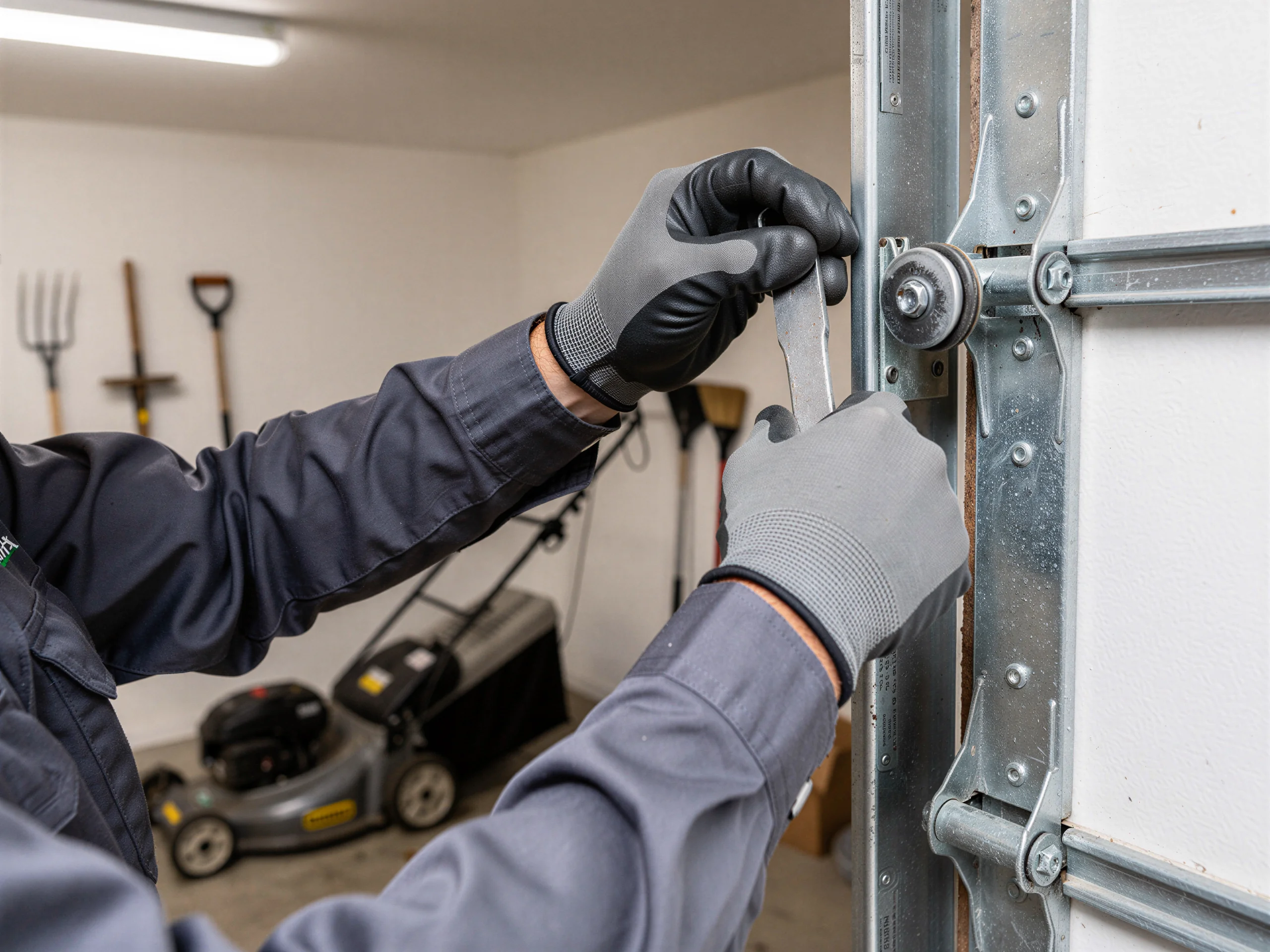
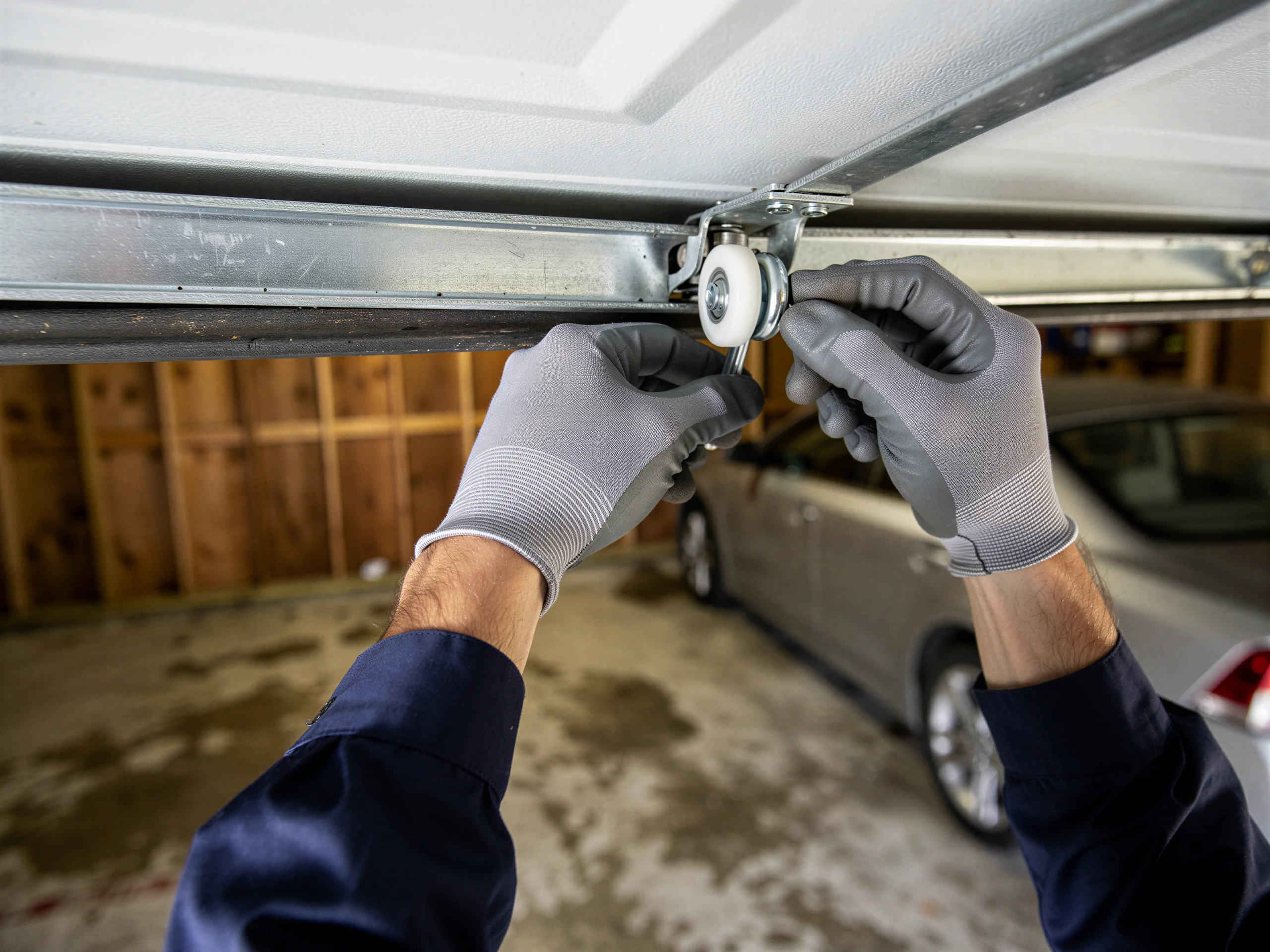
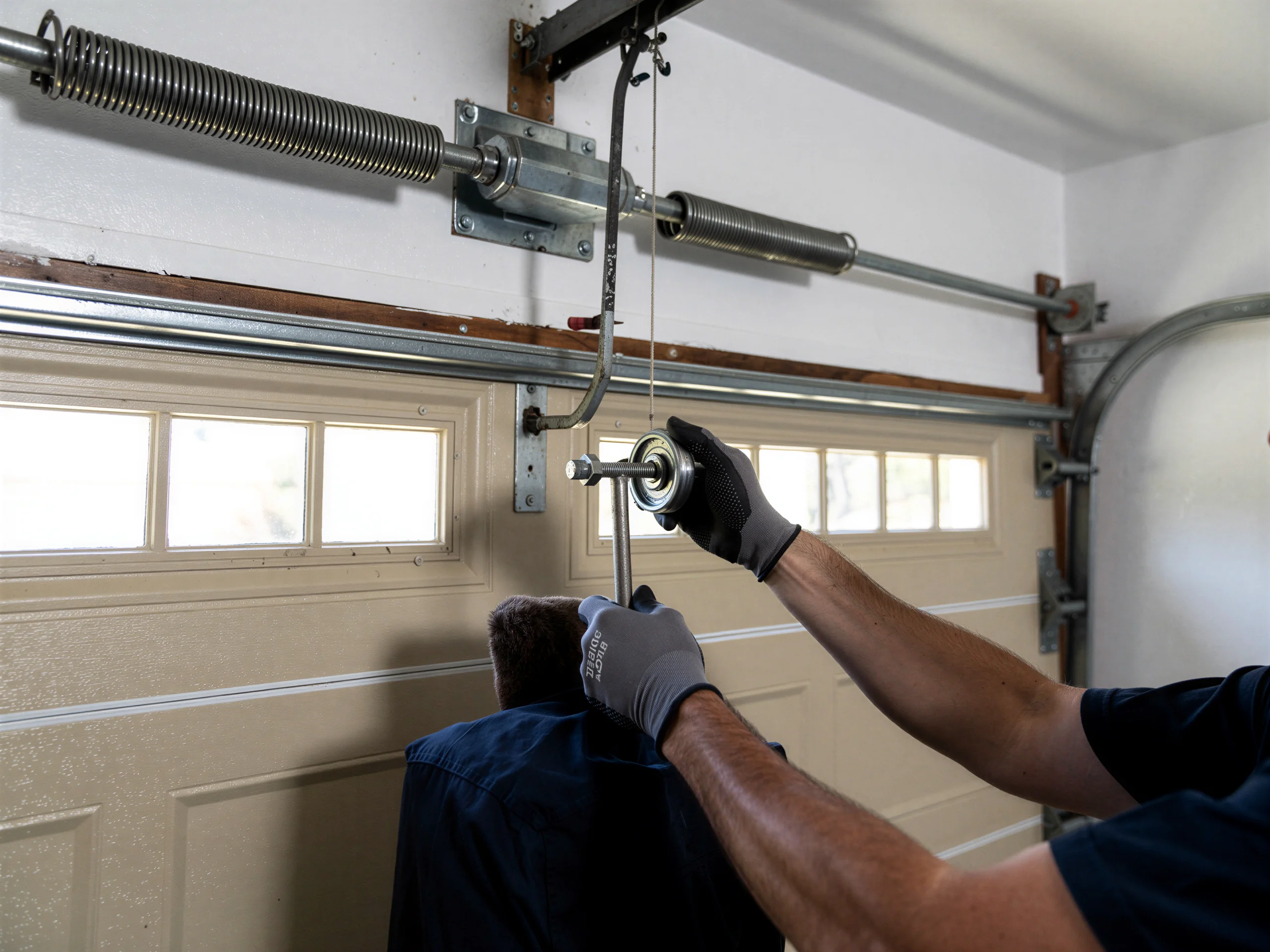
We pull the old door, check the track and jamb for square, and inspect the header for how the new torsion spring bar will mount, since that's the part most often undersized on original builds. From there it's a standard sectional install: new track, new torsion springs matched to door weight, new cables and drums, and a new bottom seal.
Aging chain-drive openers
If the opener is the original chain-drive unit, we'll flag it - most from that build era are still running, but they're on borrowed time, and we'll tell you straight whether it's worth keeping or replacing alongside the door.
Insulated panels for shared walls
Heat is the main climate factor we design around here, so insulated steel panels make sense for garages that share a wall with living space, which is common in homes from this build period. We don't push insulation on a detached garage that doesn't need it - that's money better left in your pocket.
Stocked Parts
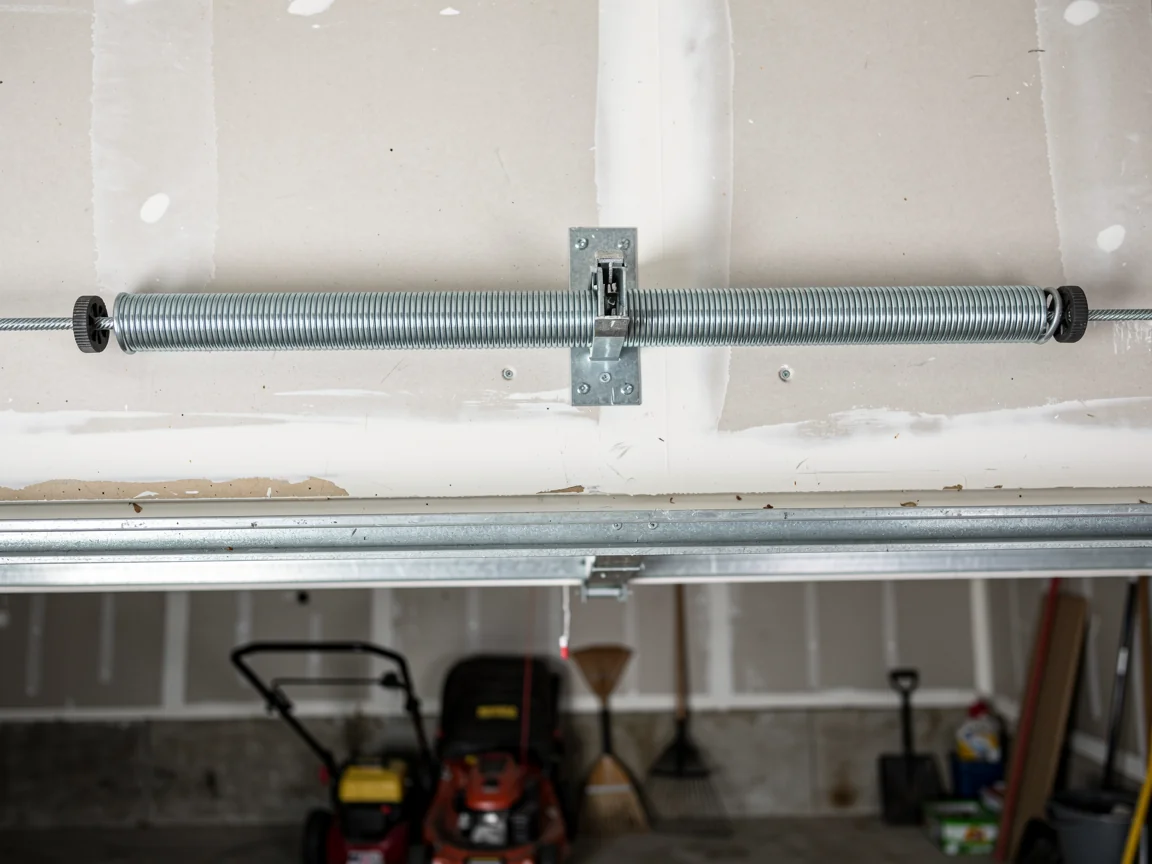
We carry the torsion spring sizes, cable lengths, and roller styles that match 1990s double and single garages - the sizes that actually show up on Chino Hills jobs, not a universal catalog.
Standard panel sizes stocked
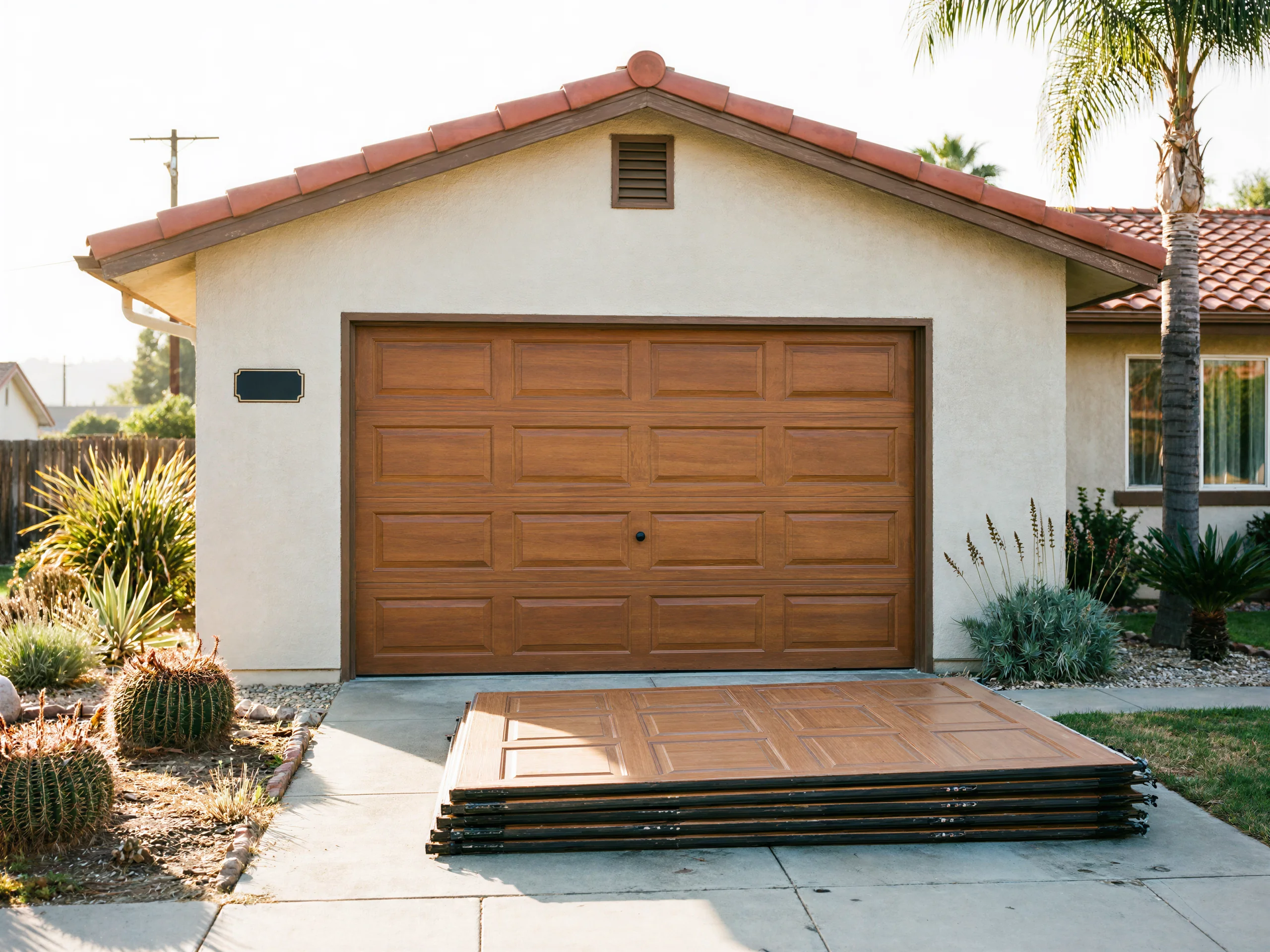
Standard 16-foot and 9-foot steel sectional panels, matching end hinges, and the track hardware that pairs with them are what we keep on the truck most often for this part of the service area.
Custom orders take longer
What we don't stock is anything custom - carriage-house style doors, non-standard widths, or specialty finishes. Those get special-ordered, and that adds lead time we can't promise away.
Standard bays turn quickly
If your opening is a standard double or single bay, which most Chino Hills homes from this era are, we can usually turn the job around with parts already on hand. If it's not, we'll tell you upfront rather than quote a date we can't hit.
How Long You Are Without the Door
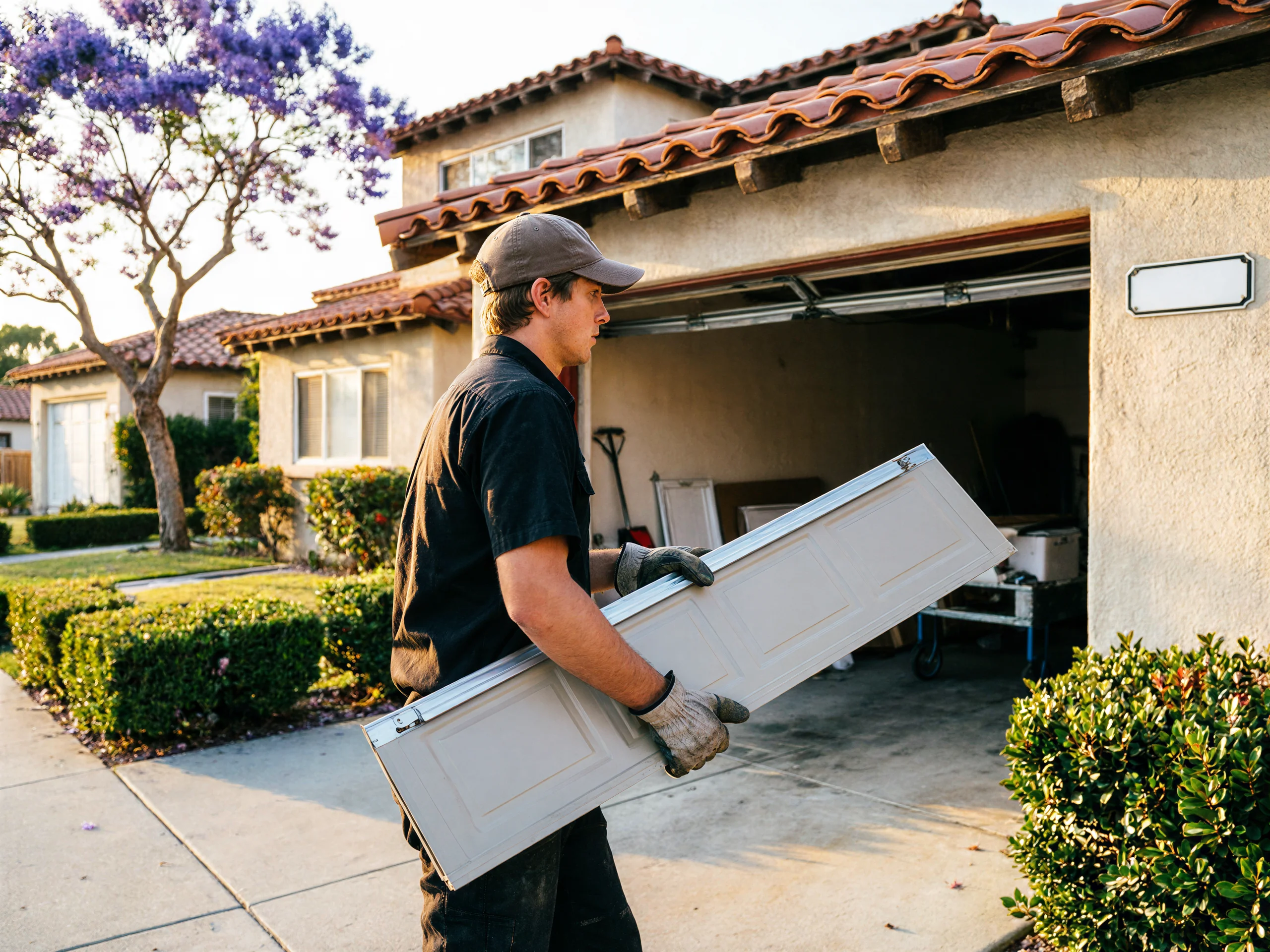
The old door comes off and the new one goes up in the same visit - we don't leave a garage open overnight waiting on a second trip unless we hit a problem with the opening itself, like a header that needs reinforcing before the new spring bar can mount. For the standard steel sectional doors common in Chino Hills, that's usually a straightforward swap once the opening is confirmed.
Where it stretches out is custom sizing or finish work that has to be special-ordered, which we'll flag during the measurement step, not after we've already pulled your old door. We'd rather tell you the wait up front than leave your garage half-finished.
Can You Do This Yourself
A torsion spring under tension can break a hand or worse if you don't know how to wind it, and that's true whether the door is new or thirty years old.
Full swap needs equipment
Swapping a full door - track, drums, cables, springs, and alignment - isn't a bolt-and-go job even for someone handy. It's doable with the right winding bars and a lift, but most homeowners don't own that equipment and don't want to buy it for a one-time job.
Safe homeowner tasks
What you can reasonably do yourself: swap weatherstripping, lubricate rollers and hinges, and replace a worn remote or keypad. Full door replacement with spring conversion is where we'd tell you honestly it's not worth the risk for a job you'll do once in thirty years.
How It Shows Up
On a Chino Hills garage from the 1990s build era, the warning signs usually show up as the door getting slower to open, a grinding or popping noise from the spring area, or the opener straining and reversing partway up. Sometimes it's simpler - a visible gap or sag on one side of a double door, which usually means a cable has started to fray or a drum is wearing unevenly.
If your opener motor runs but the door barely moves, that's almost always a spring that's lost tension, not a motor problem - a common call from this part of the service area given how many doors are hitting the end of their original hardware life around the same time.
Why This Fails Locally
Chino Hills runs about 25,485 households, which is enough volume that we see the same failure pattern over and over here: it's not the door, it's the age of the door. The median home in Chino Hills went up around 1990, a good 18 years newer than the median across the rest of our service area. That one number changes what you're dealing with. A 1990-built house almost never has an old wood-panel door on a stretched extension spring - it has an early steel sectional door on torsion hardware, often with the original chain-drive opener still bolted to the same bracket it shipped with over thirty years ago.
That's the failure mode we actually get called for here: torsion springs that have cycled past their rated life, steel panels with rust starting at the bottom seam from irrigation overspray, and opener logic boards from the early '90s that finally stop talking to the remote. It isn't a 1960s door with hand-wound coils - it's a newer door whose first generation of hardware is simply wearing out on schedule. Chino Hills households also run a median income of $122,600, well above the $105,104 average for the wider area, and that shows up as more owners choosing full replacement with insulated doors rather than patching old steel.
Talk to a local pro
Garage door service in Chino?
Same-day service with honest, upfront quotes.