What It Costs
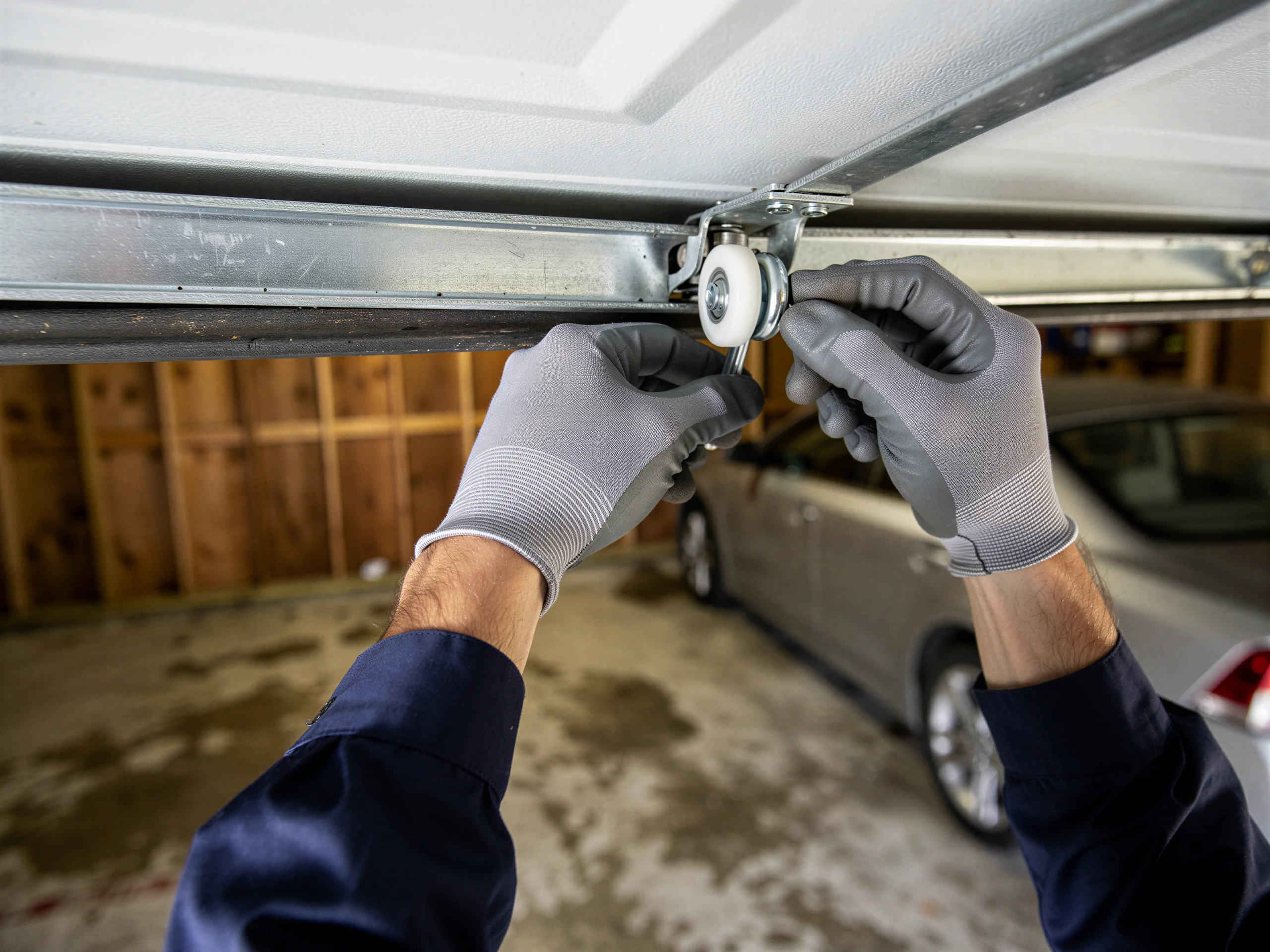
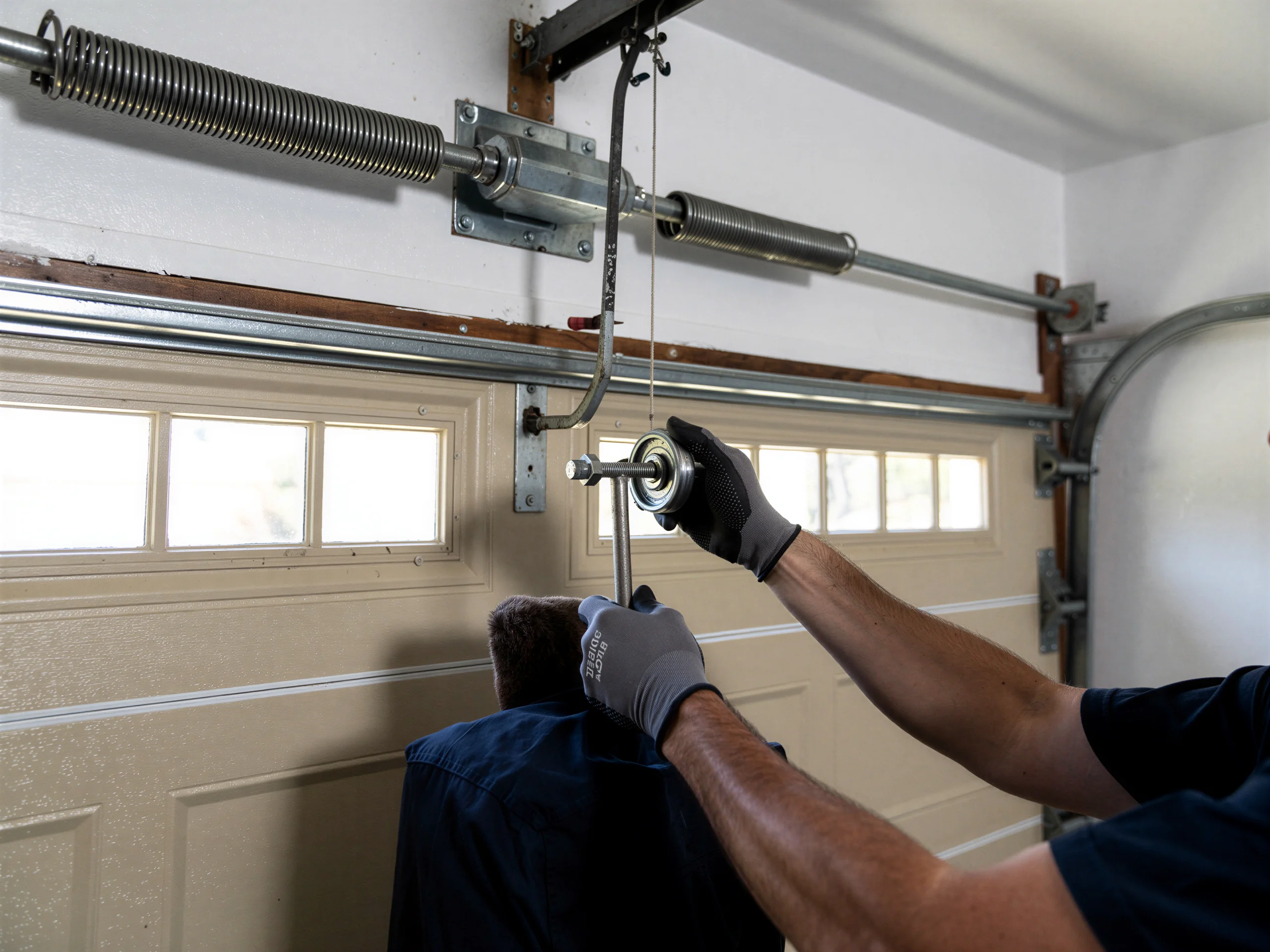
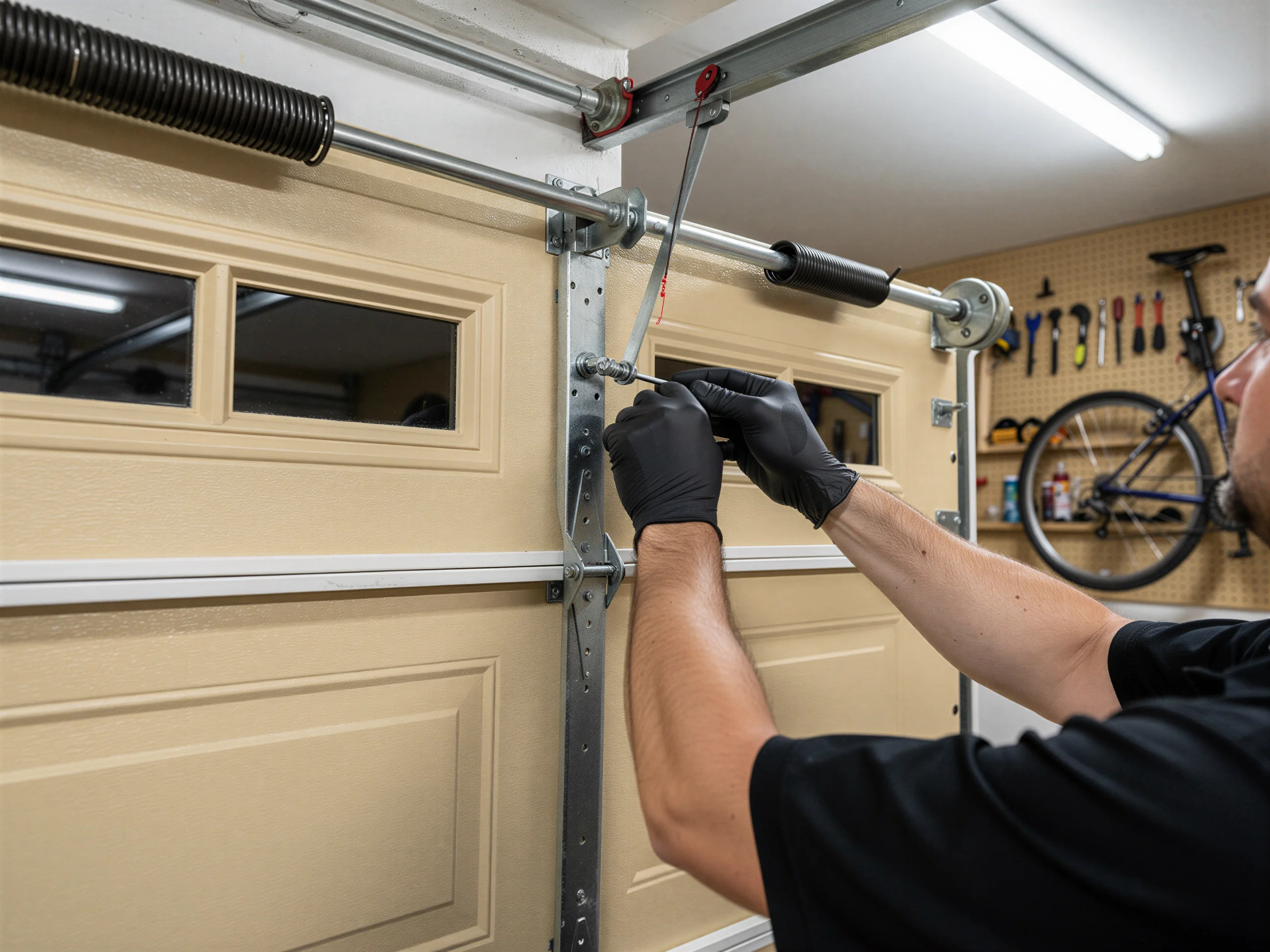
We don't publish a flat number for maintenance because it depends on what's actually worn versus what's just dry. A lubrication and adjustment visit is one thing; replacing a set of rollers or re-tensioning a spring is another. What we can tell you is that a maintenance call almost always costs less than the repair it prevents, because by the time a spring snaps or a cable frays through, you're paying for parts and labor on an emergency basis instead of a scheduled one.
Given how uniformly Eastvale's housing stock was built, we're candid that we see the same handful of issues repeat house to house in the same few years of a tract's life. That pattern doesn't set the price, but it does mean we can usually tell you on the phone what we're likely to find before we get there.
Can You Do This Yourself
Some of it, yes. Wiping down and lubricating the tracks, checking that the photo-eye sensors aren't knocked out of alignment, and listening for a new grinding sound from the opener are all things an owner can do without a ladder emergency.
Bolt tightening allowed
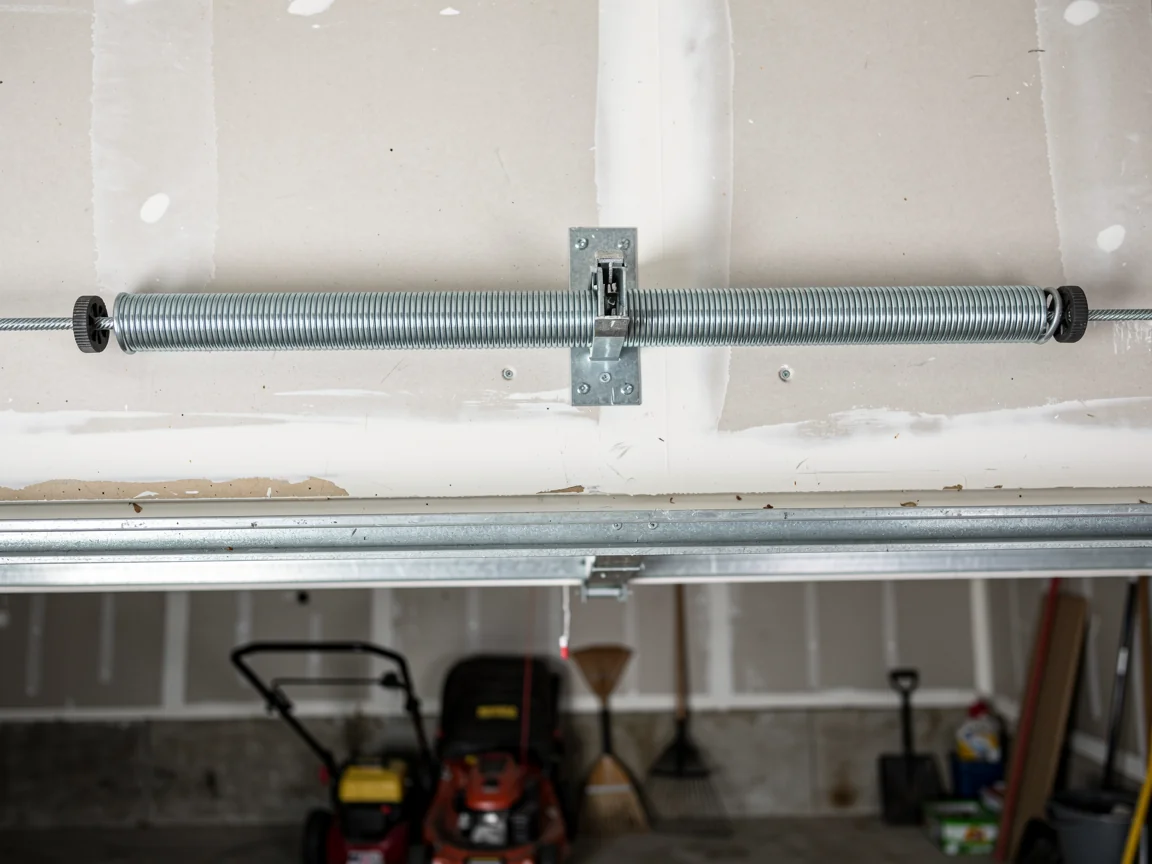
Tightening visible hardware bolts is fine too, as long as you're not touching anything under spring tension. The one thing we don't recommend doing yourself is anything involving the torsion spring itself - adjusting it, removing it, or trying to diagnose why it feels looser than it used to.
Stored energy from originals
A spring holding that much stored tension can do real damage if it lets go while you're working on it, and on a door built to a 2000s builder spec, you're often dealing with the original spring that was never serviced in the first place. That's the one job we tell every Eastvale homeowner to leave to a call, not a Saturday project.
Why This Fails Locally
Eastvale's 17,824 households mostly share a narrow build window, which means the same hardware, from the same era, is wearing out at close to the same pace across the suburb. That's different from the rest of the service area, where 221,746 owner-occupied houses span a build range running from 1938 up through 2007 - a spread wide enough that failures there are scattered across decades instead of concentrated in one.
The moderate-heat climate band this area sits in plays a part too. Summer heat cycling dries out factory-applied grease on springs and hinges faster than a cooler climate would, which is part of why a door that looked fine in spring can start grinding by August. And at a median household income of $161,322, well above the wider service area's $105,104, Eastvale's homes were largely delivered as a package by national builders rather than customized piece by piece - which means when one hardware component fails, the identical one next door usually isn't far behind.
How to Book
We cover Eastvale out of our shop in Chino, about four miles away - there's no separate branch out here, just a truck that comes over for the call. If you want someone to look at a door that's gotten louder, slower, or harder to lift than it used to be, start on the Eastvale service page and tell us what you're hearing or seeing.
If you're also curious how maintenance differs for the older housing stock back in Chino itself, that's covered separately on the Chino maintenance page - the hardware and the failure points there are a different story than they are here.
What Can Go Wrong
The fault we see most in Eastvale isn't old hardware wearing out slowly over fifty years - it's newer hardware all hitting the same wall at once.
Original springs approaching limits
The median home here was built around 2007, which means the original torsion springs and the nylon rollers the builder installed are now fifteen to twenty years into service, right where a spring's rated cycle count starts running out and plastic rollers start cracking at the core.
Still-original first hardware
Across the wider service area, housing dates back to 1938 with a median year of 1972, so most of our work there is on doors that have already been through at least one hardware swap. Eastvale skipped that history.
Dry bearings and tension loss
Its doors are still mostly on their first set of springs and rollers, which means the failures are more concentrated and more predictable: dry bearings, a spring that's lost measurable tension but hasn't broken yet, and openers whose original gears are worn down from running on schedule for two decades. None of this is dramatic. It's the kind of wear that shows up as a louder door before it shows up as a stuck one.
Talk to a local pro
Garage door service in Chino?
Same-day service with honest, upfront quotes.