How to Book
We run this call out of Chino, 18 miles from Hacienda Heights, so there's no local branch and no walk-in counter - the truck comes from Chino on a scheduled run. Book through the Hacienda Heights garage door service page and give us the door's age and symptom (won't open, loud on the track, opener clicking but not moving) so the right parts are on the truck before it leaves.
We don't promise a same-hour response for this distance - 18 miles each way means the visit gets scheduled into the day's route rather than slotted in as a drop-everything emergency. If you need the general rundown of what we cover out of the Chino shop, that's on the Chino garage door service page; this page is specifically about what shows up on Hacienda Heights doors.
Why This Fails Locally
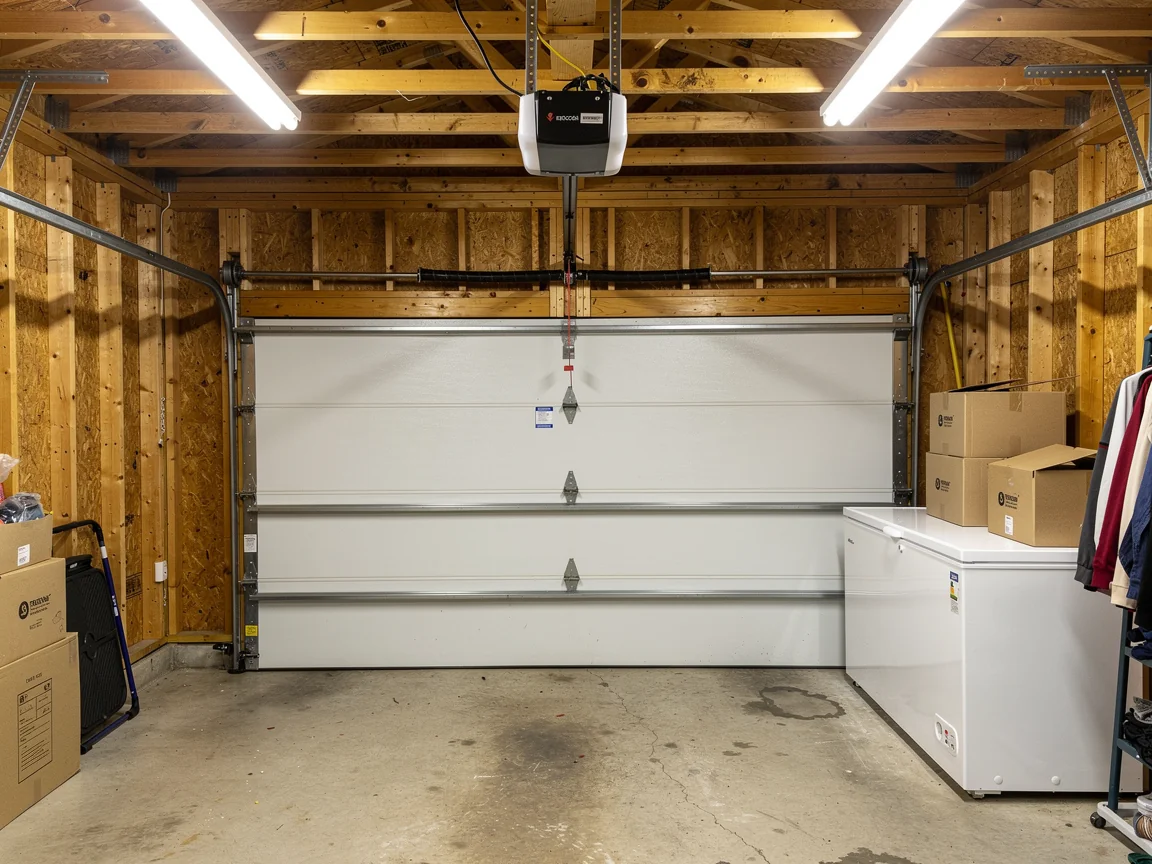
A door built around 1968 has had over fifty years of cycles on the original torsion hardware if nobody's touched it. That's the core of why calls from this part of the service area skew toward full spring and cable replacement rather than simple adjustment - the galvanizing on the original springs has worn through, and the cable has usually frayed at the drum long before anyone notices a slow-closing door.
Hacienda Heights sits in the moderate-heat band along with the rest of the service area, so we're not dealing with the kind of summer-to-winter steel contraction that cracks panels outright. The failure here is slower and more mechanical: repeated heat cycling dries out the lubricant in the rollers and hinges faster than cold-climate hardware would show, so by the time a homeowner calls, it's often rollers, hinges, and springs failing in the same visit rather than one clean part.
Income in the area runs near $106,620, which tends to mean owners replace a failing opener rather than nurse along a 20-year-old chain-drive unit - we see more opener swaps than opener repairs on these calls.
Stocked Parts
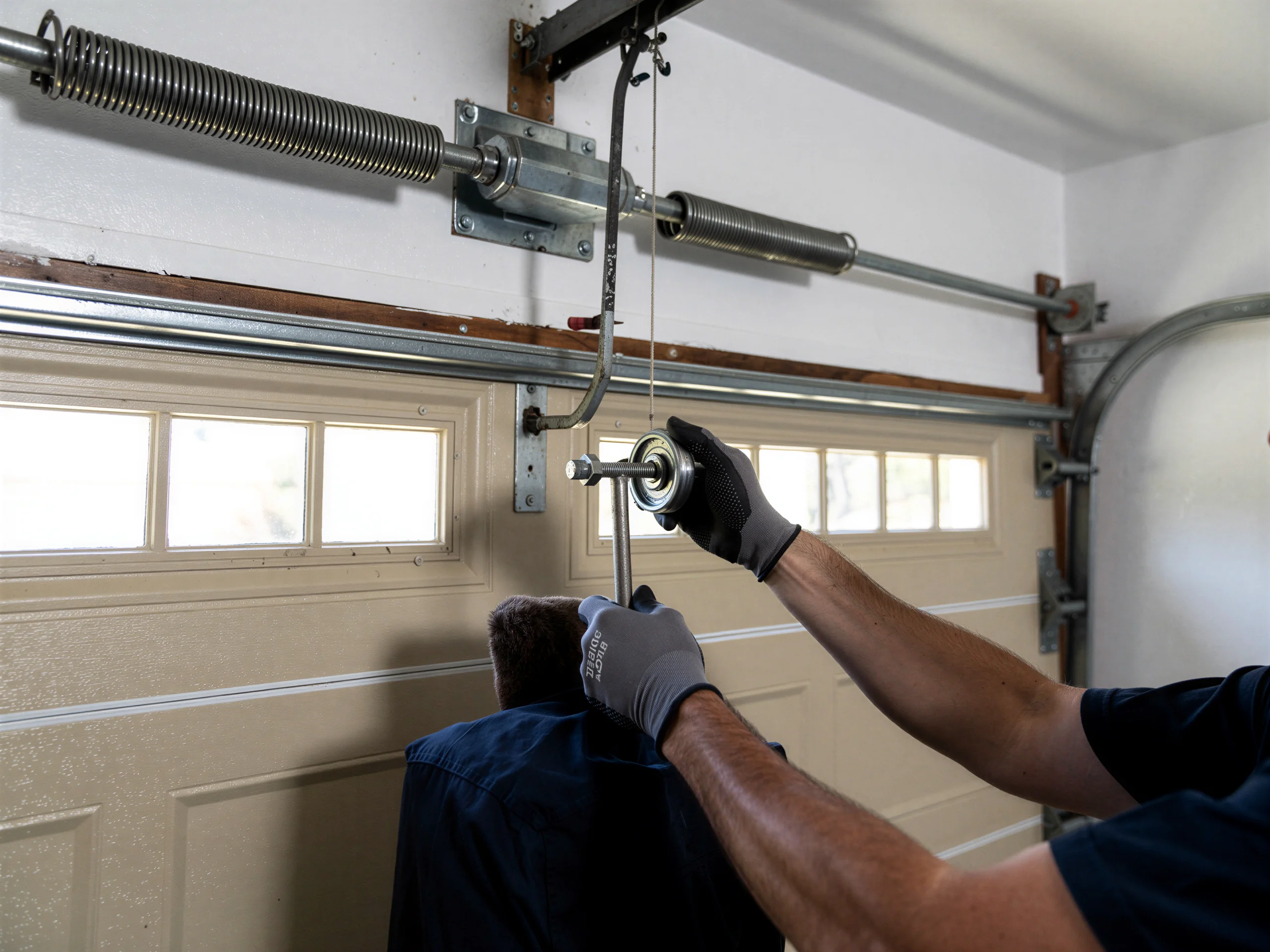
For doors from the 1968 era we carry standard torsion springs sized for lighter, earlier-generation doors, plus the cable and drum combinations that match smaller-diameter torsion tube setups.
Nylon and steel stocked
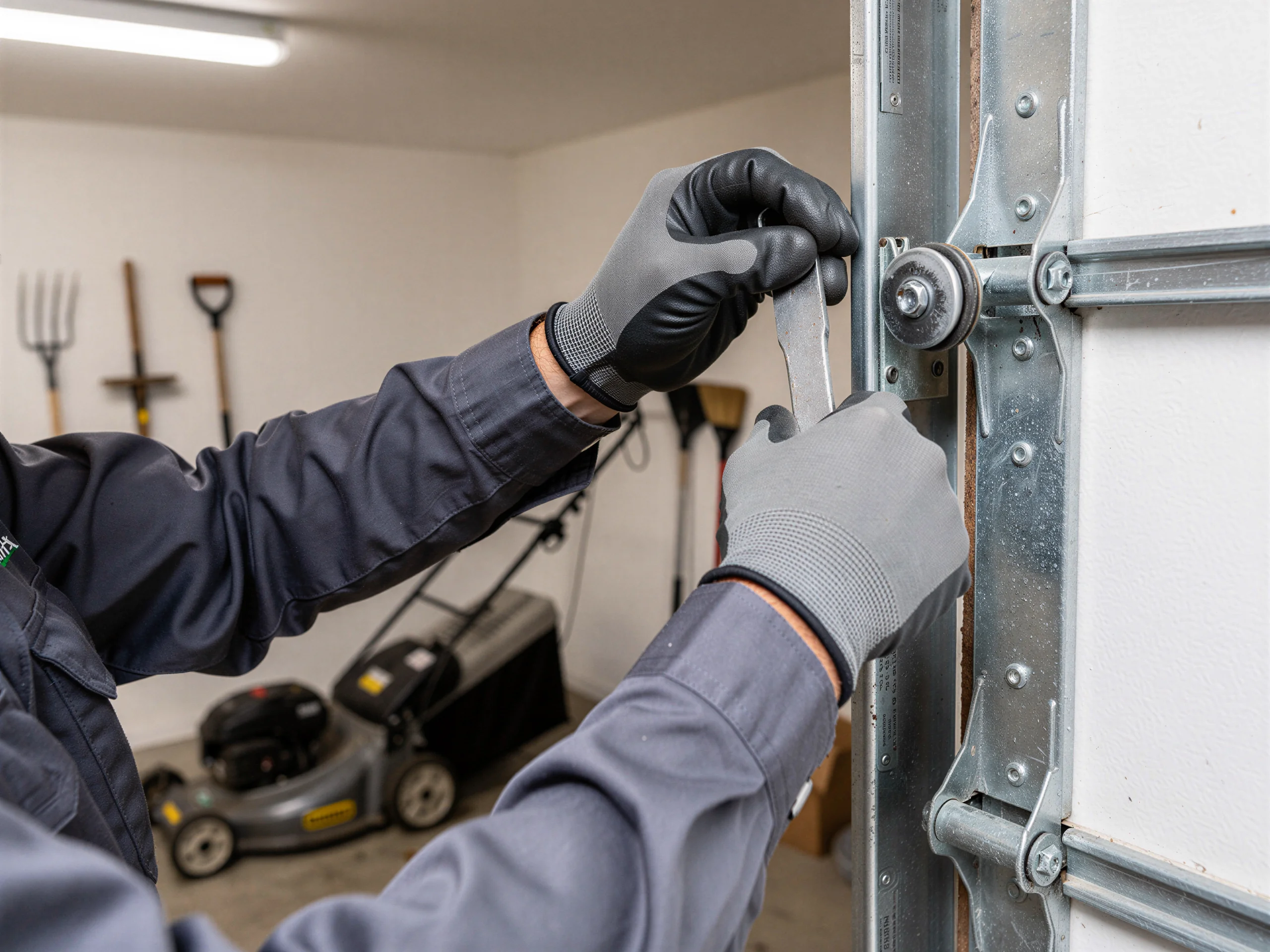
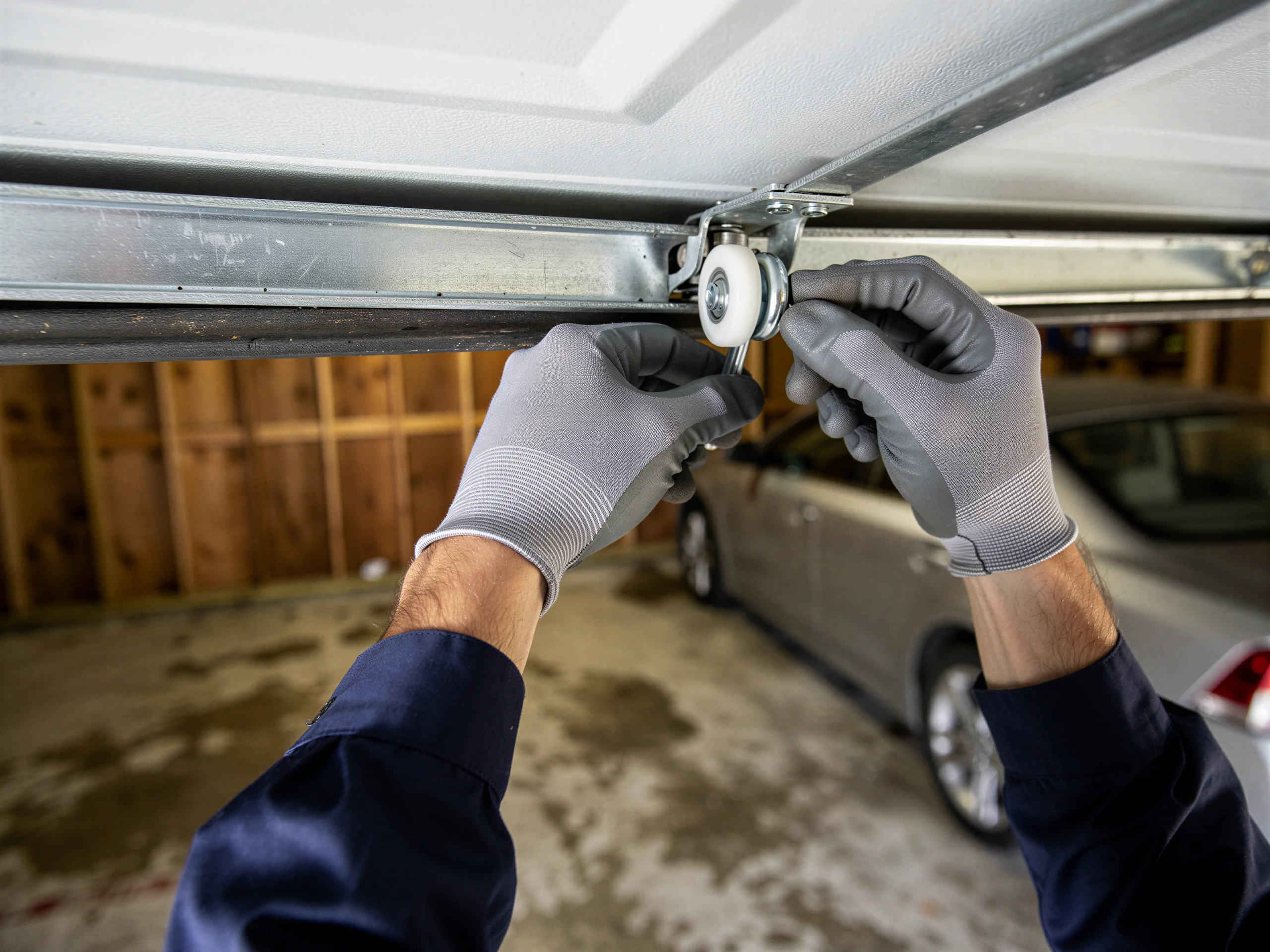
Rollers and hinges are stocked in both nylon and steel, since owners here split fairly evenly between quiet-roller upgrades and straight steel replacement. What we don't carry on the truck: specialty panel sections for doors with obsolete profiles.
Single panels special-ordered
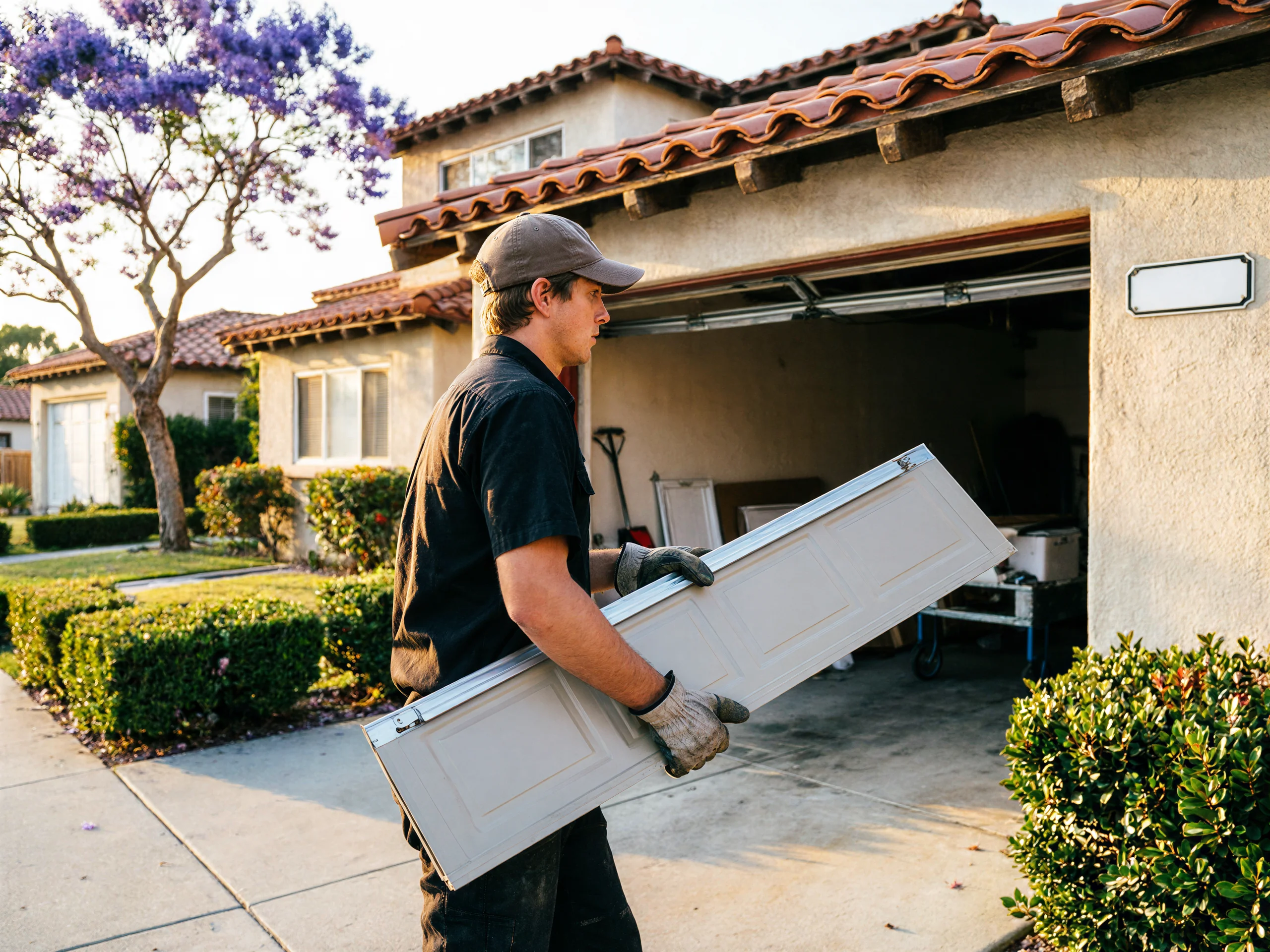
If a 1968-vintage door needs one replacement panel rather than a full door, that part often has to be special-ordered, and we'll tell you that up front rather than let you wait on a truck that doesn't have it.
How It Shows Up
The most common call from this part of the area is a door that's gotten heavy to lift by hand, or an opener straining and reversing partway up - both point to a spring that's lost tension, which on a 1968-era door usually means it's original or close to it. Second most common: a cable popping off the drum, which shows up as the door hanging crooked on one side.
Less common but not rare: openers failing outright rather than just getting noisy, especially in homes where the opener is original to a later remodel rather than the house itself. Given the median build year here, we expect more hardware-driven calls - spring, cable, roller - than opener-driven ones, which tracks with a housing stock old enough to have worn through its first set of torsion hardware already.
What the Fix Involves
Hacienda Heights runs about 16,498 households, which is a real number to work against but still small enough that the housing stock reads consistently when you're out on a call.
Earlier starting point
Most of what we see traces back to a median build year of 1968, a decade and a half earlier than the broader service area's 1972 median. That gap matters on a torsion spring job: doors from the late 1960s were set up with lighter steel and smaller-diameter springs than the doors built through the 1970s and 80s, so a spring that looks like a standard replacement on paper can leave the door noticeably unbalanced if nobody checks the drum size first.
Routine work, unusual start
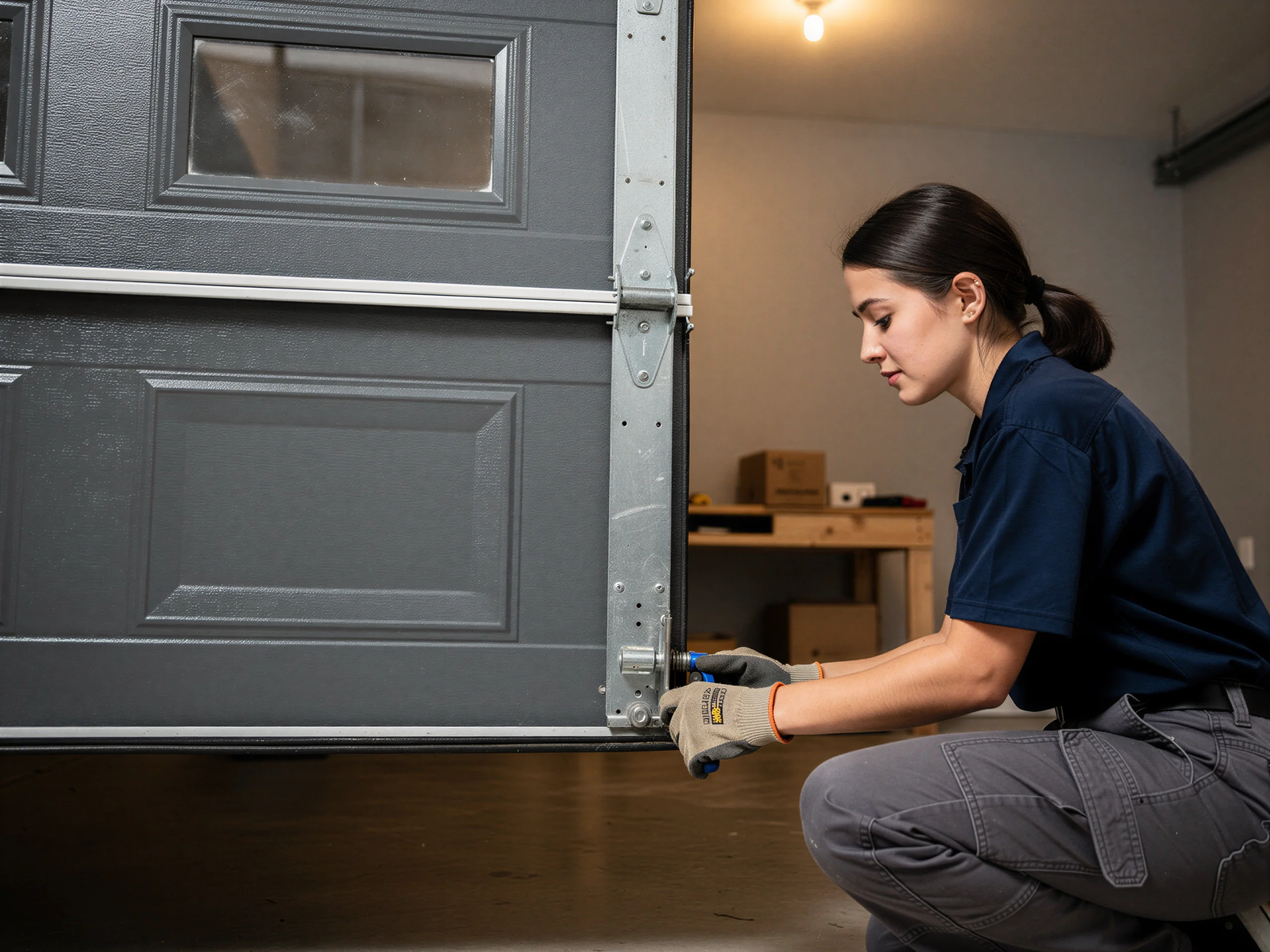
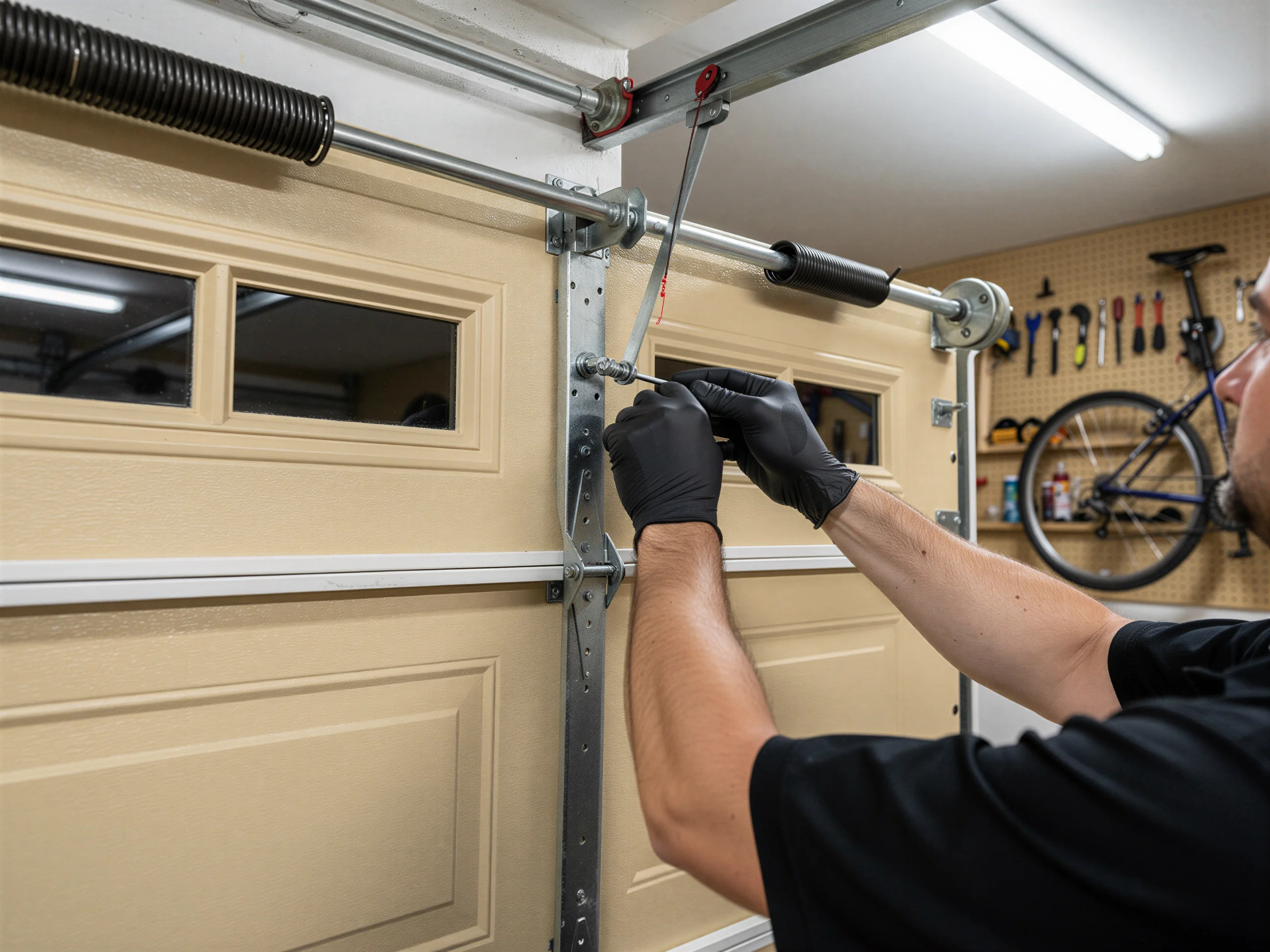
The fix itself is ordinary work - spring swap, cable replacement, roller and hinge service, opener gear or logic board - but the starting point is different here than it is three miles away in a neighborhood built a decade later. We measure before we order.
Track gauge and spacing
On a 1968-era door, the track gauge and the bracket spacing both run slightly different from later stock, and guessing costs you a second trip. What we don't do: rebuild a door that's cracked through the panel seams or rusted at the bottom bracket. At that point you're paying labor twice - once to patch it, once later to replace it anyway.
Talk to a local pro
Garage door service in Chino?
Same-day service with honest, upfront quotes.