How to Book
Hacienda Heights sits about 18 miles from our shop in Chino, the longest run among the near-in areas we cover alongside Eastvale, Chino Hills, and Norco.
Scheduled visits over distance
That distance is exactly why maintenance here works best as a scheduled visit rather than a same-day call. We group jobs in this part of the service area so the trip is worth making and you're not covering the cost of a truck roll just to top off grease on one door.
Booking through service page
Book through the Hacienda Heights service page and we'll set a date, usually slotting it alongside other appointments nearby instead of sending a truck out for a single stop.
Weekday morning availability
We don't keep a branch or a parts drop in Hacienda Heights itself - everything rolls out of Chino, which means weekday mornings tend to have more open slots than late afternoons, when the truck is already a few stops deep into the route.
Why This Fails Locally
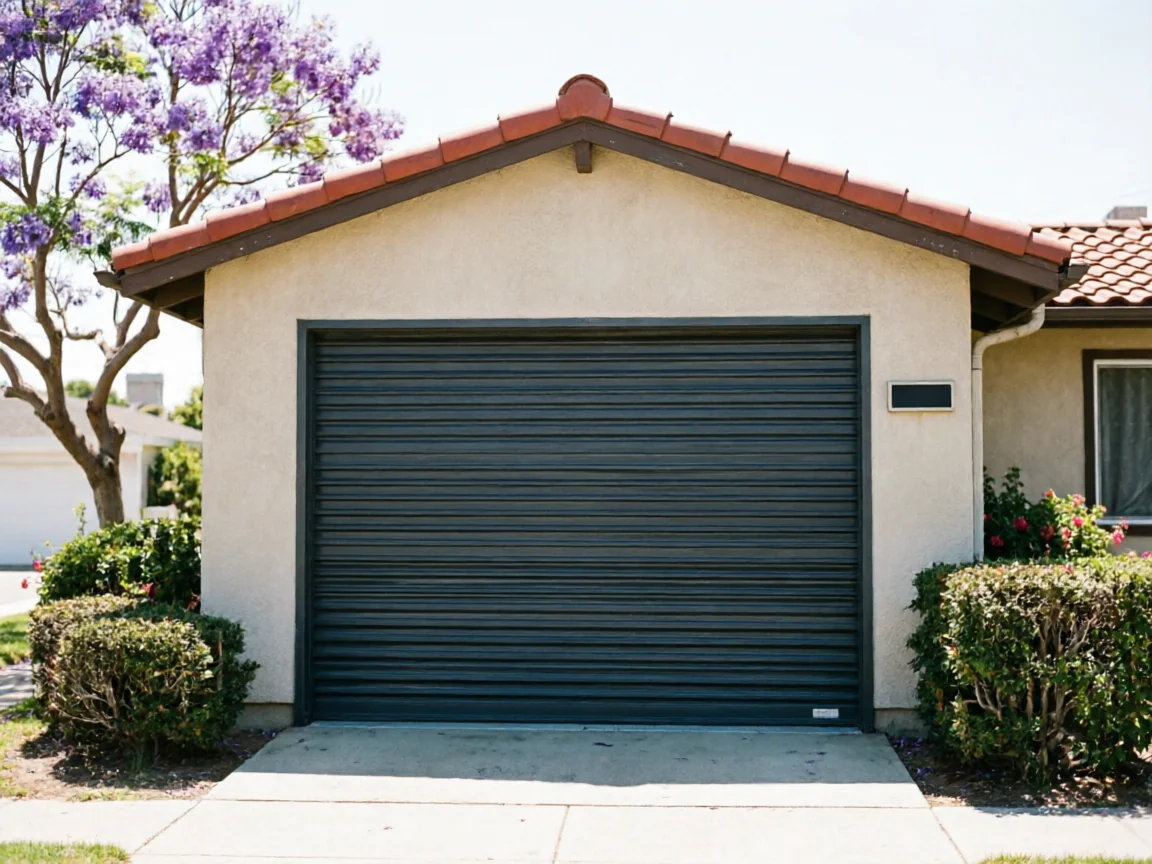
The heat here isn't extreme, but it's steady enough that a garage interior runs well above outside air on summer afternoons, and the grease packed into a hinge back in 1968 wasn't built to survive fifty summers of that cycling. It dries, the roller binds, and the opener starts pulling harder than it was ever sized for. With a median household income of $106,620 in this part of the service area, a lot of these houses never had a reason to touch the original door - the owners could afford a new opener bolted onto fifty-year-old track and springs instead of replacing the whole unit, and that mismatch is exactly what causes failures. A strong opener masking a tired spring just means the spring lets go with more force behind it. We see this pattern often enough in homes from this era that checking spring condition against opener strength is one of the first things we do, not an afterthought.
Stocked Parts
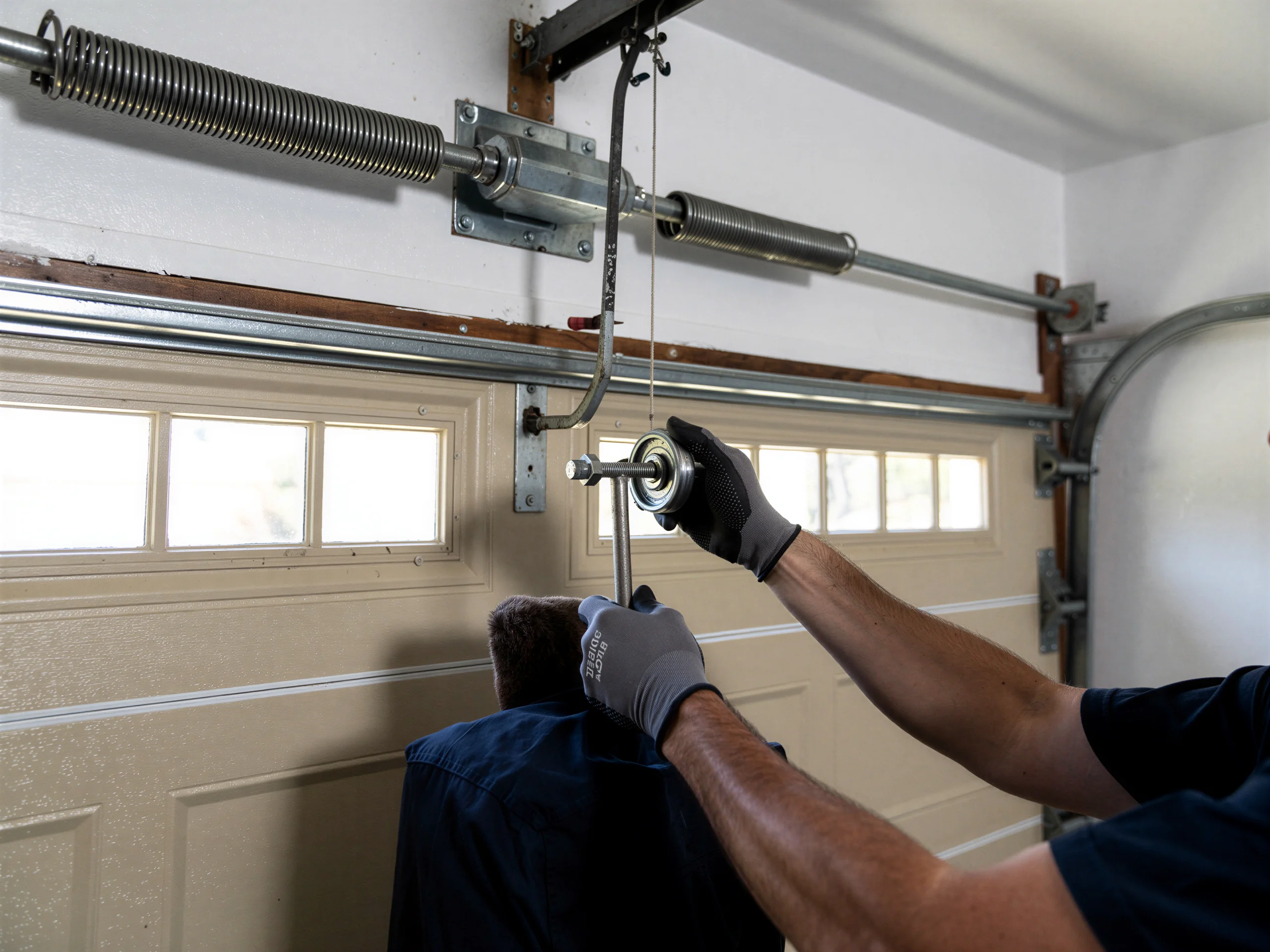
The torsion springs we carry on the truck are sized for the pre-1990 doors common across this 1968-era pocket, not the lighter composite doors going up in newer tracts elsewhere. We stock standard-wind torsion springs, galvanized safety cables for doors that never had them retrofitted, and rollers and hinges sized for older track profiles. What we don't always have on hand are the odd-dimension torsion drums some of these original setups used before manufacturers standardized sizing - those sometimes need to be special-ordered, which adds time to the job. If a door needs one of those parts, we'll tell you up front rather than quote a same-visit fix we can't deliver. It's a real limitation, and it's better to know it before the truck leaves than after.
How It Shows Up
On a door this age, trouble rarely starts with a dead stop. It starts as a grinding sound on the way up, a door that hangs crooked for a second before settling, or an opener that runs longer than it used to before the door clears the floor.
Dried lubrication binding
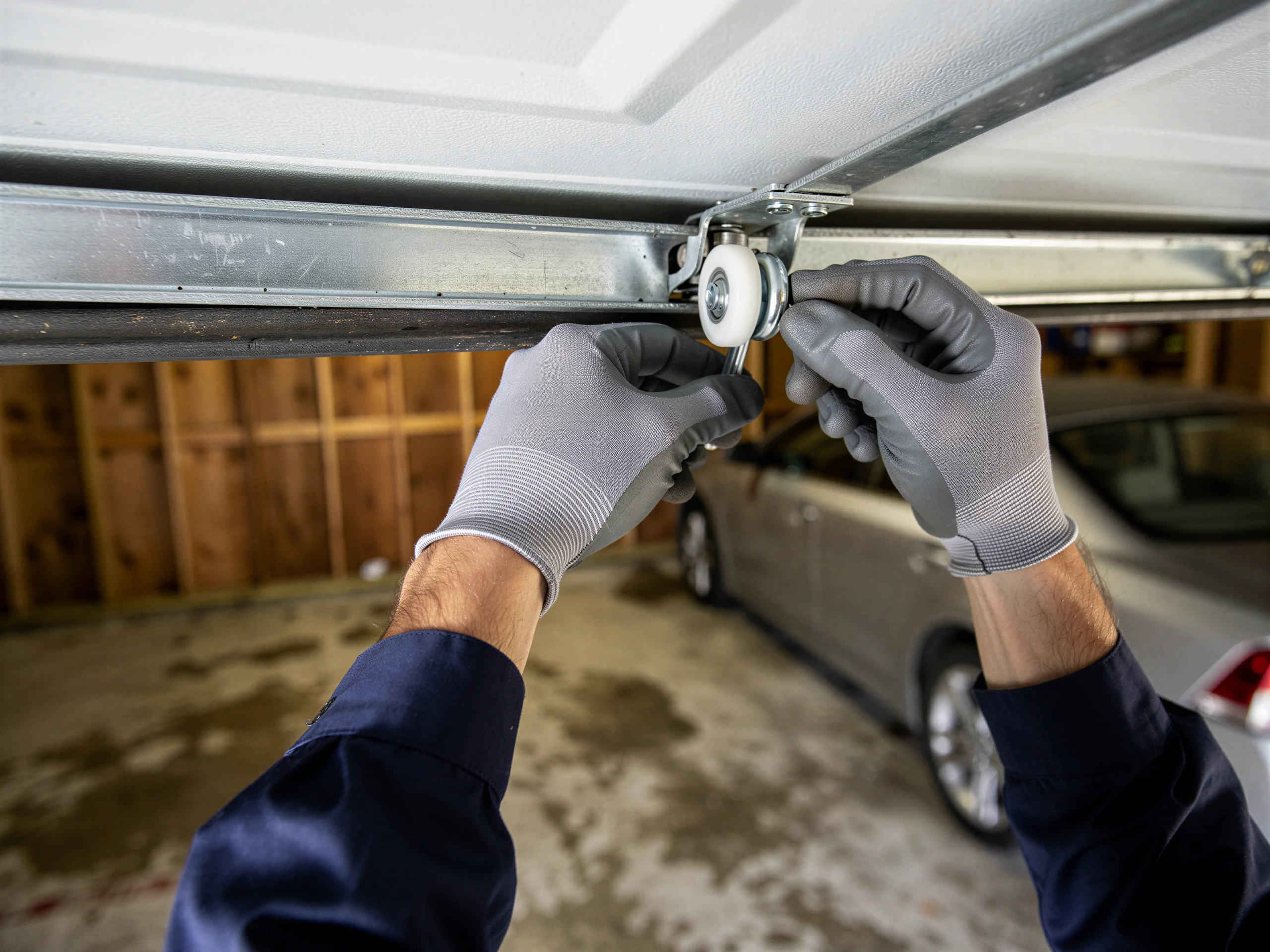
In the warmer months especially, dried-out lubrication makes rollers bind in the track, and the extra drag shows up as a door that reverses on its own or an opener that strains audibly.
Unwinding cable strands
Cables fraying at the drum are common on doors from this era that never got a safety retrofit - you'll sometimes see a thin wire starting to unwind near the bottom bracket before it fully lets go.
Problems that compound
None of these are emergencies on day one, but they don't fix themselves, and a door built in 1968 has had a lot more cycles to wear a part down than one installed in the last fifteen years.
What the Fix Involves
Chino's own housing stock runs from 1938 to 2007, with a citywide median build year of 1972. Hacienda Heights skews a few years older than that citywide figure, with most of its roughly 16,498 households sitting in homes built around 1968.
Wood jamb brackets
Four years doesn't sound like much until you're standing in front of the opener. A door installed in 1968 is more likely to run on a one-piece section with a worn wood jamb bracket, paired with torsion hardware that predates the safety cable retrofits that became standard a decade later.
Checking cable presence
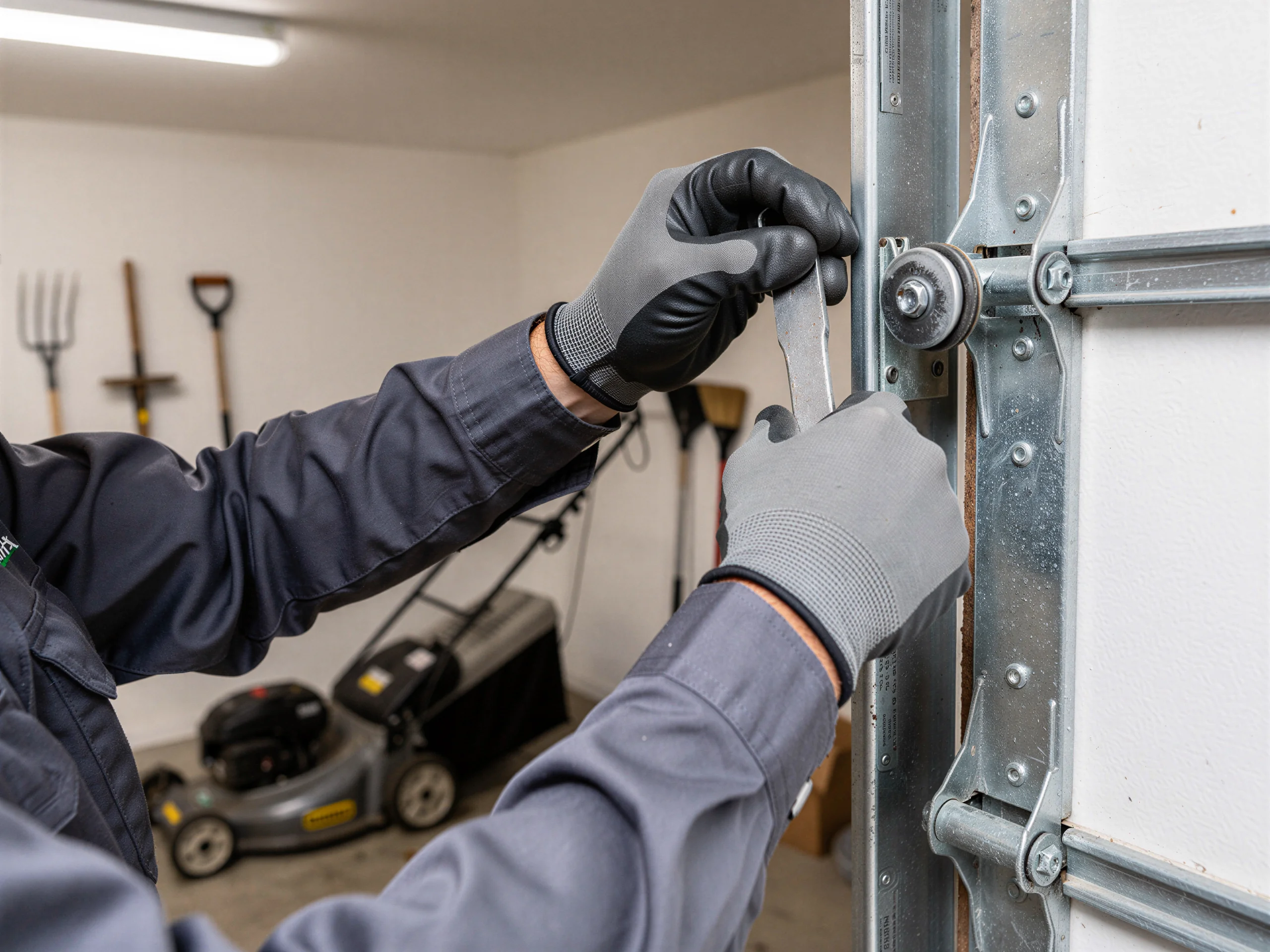
Maintenance here starts with checking whether that cable is even present, then moves to the spring, the drums, and the roller track for wear that's had an extra half-decade to accumulate compared to a door built in the 70s elsewhere in the service area.
Retensioning and regreasing
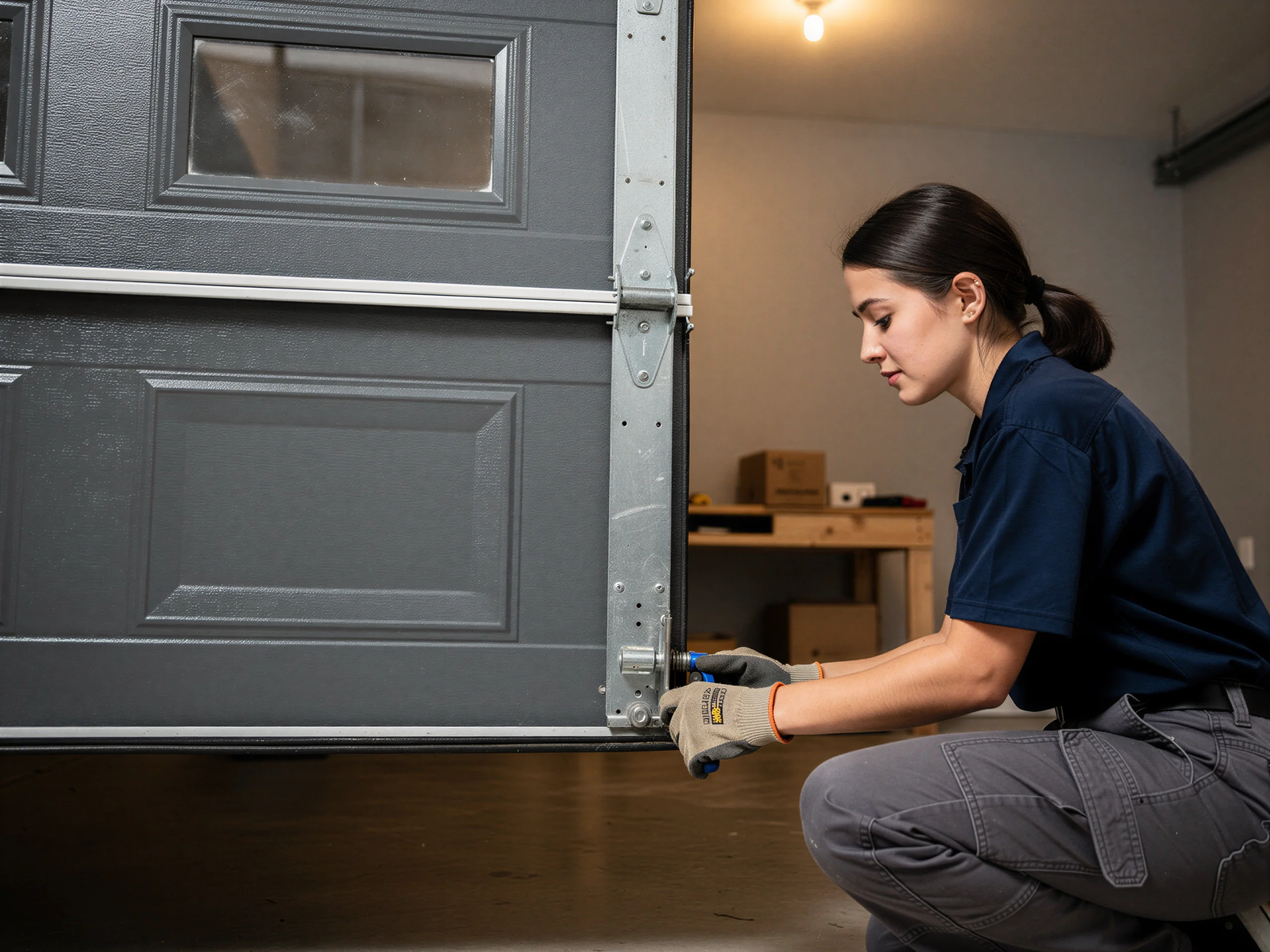
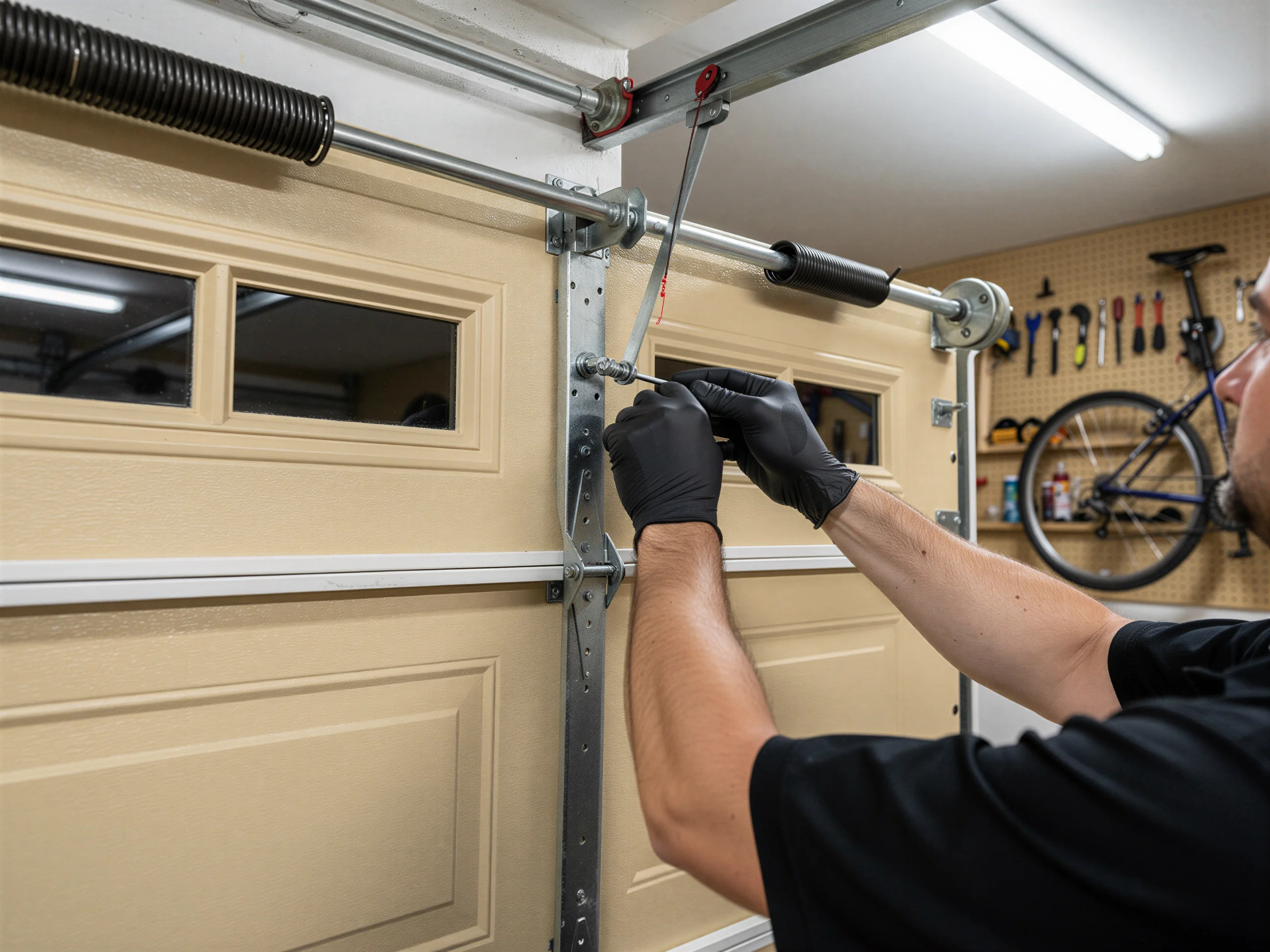
We true up the track, re-tension or swap a sagging spring, lubricate hinges and rollers with the right weight of grease, and check the opener's force settings against a door that's heavier than anything built after 1990. None of this is glamorous work, but it's the difference between a door that lasts another decade and one that snaps a cable on a Saturday.
Talk to a local pro
Garage door service in Chino?
Same-day service with honest, upfront quotes.