How to Book
Chino Garage Door Co. runs this job out to Hacienda Heights from our Chino shop, about 18 miles out. There's no local branch here - the truck comes from Chino with the rollers already on it once we know the door's panel height and track gauge, which keeps the visit to one trip instead of two.
Use the Hacienda Heights service page to get a visit on the books, or tell us the door's rough age and how it's sticking (grinding, catching, rocking side to side) and we'll bring stock sized for what a late-1960s door around here typically runs. If your door turns out to be a newer replacement door rather than original, that changes the roller spec too, so have the make or model handy if you know it.
Why This Fails Locally
The climate here sits in the moderate-heat band, not desert-extreme, which matters for rollers more than people expect. Steel rollers with no nylon sleeve don't crack from heat the way a cheap plastic roller can in a hotter zone - they wear mechanically, from decades of steel-on-steel friction in the track, which is exactly the failure mode you get on a door built around 1968 that's never had the rollers touched.
Hacienda Heights has roughly 16,498 households, and the housing stock sitting in that late-1960s band means a lot of original or first-generation-replacement hardware is still in these garages. Original steel rollers from that era weren't built to be serviced - they were built to be replaced once, decades later, by someone like us. That's where most calls here come from: not a sudden break, but forty-plus years of the same stem wearing against the same track until the door finally won't ride smooth.
Stocked Parts
We carry nylon-stem rollers with sealed ball bearings as the standard upgrade for doors built in the steel-roller era, since they run quieter and don't wear the track the way bare steel does.
Rollers matched to track
For a door that still has its original steel track in decent shape - common enough on a 1968-era door that's been otherwise maintained - we size new rollers to match that track rather than pushing a track swap nobody asked for.
Custom track needs lead time
We don't stock every obscure stem length on the truck; if a door has a non-standard or custom track from a past renovation, that part may need a short order lead before we finish the job. We'll tell you up front if that's the case rather than installing something that's close enough but not right.
How It Shows Up
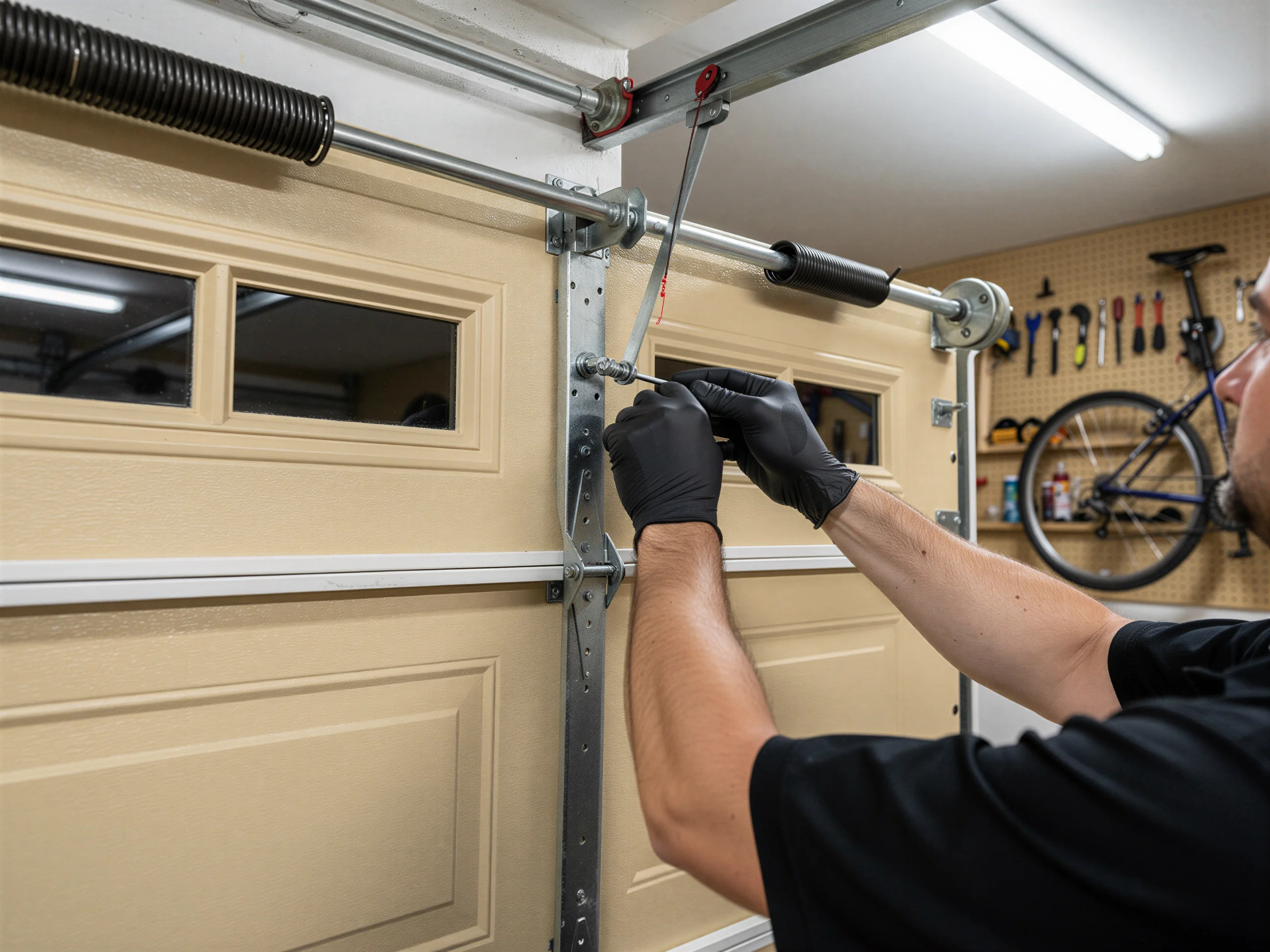
The door starts with a rattle at one point in the travel - usually where a worn roller crosses the curved section of track near the top. Left alone, that turns into a grinding sound on every open and close, then the door starts walking sideways in the track instead of lifting straight, which puts extra load on the opener and the cables.
On a 1968-built door, this is almost always the first hardware failure an owner notices, ahead of springs or cables, because the rollers are the part that's been moving the most since the house was built. If you're hearing grinding more than squeaking, or the door visibly leans as it opens, that's worn rollers rather than a lubrication problem - oil won't fix a flattened stem.
What the Fix Involves
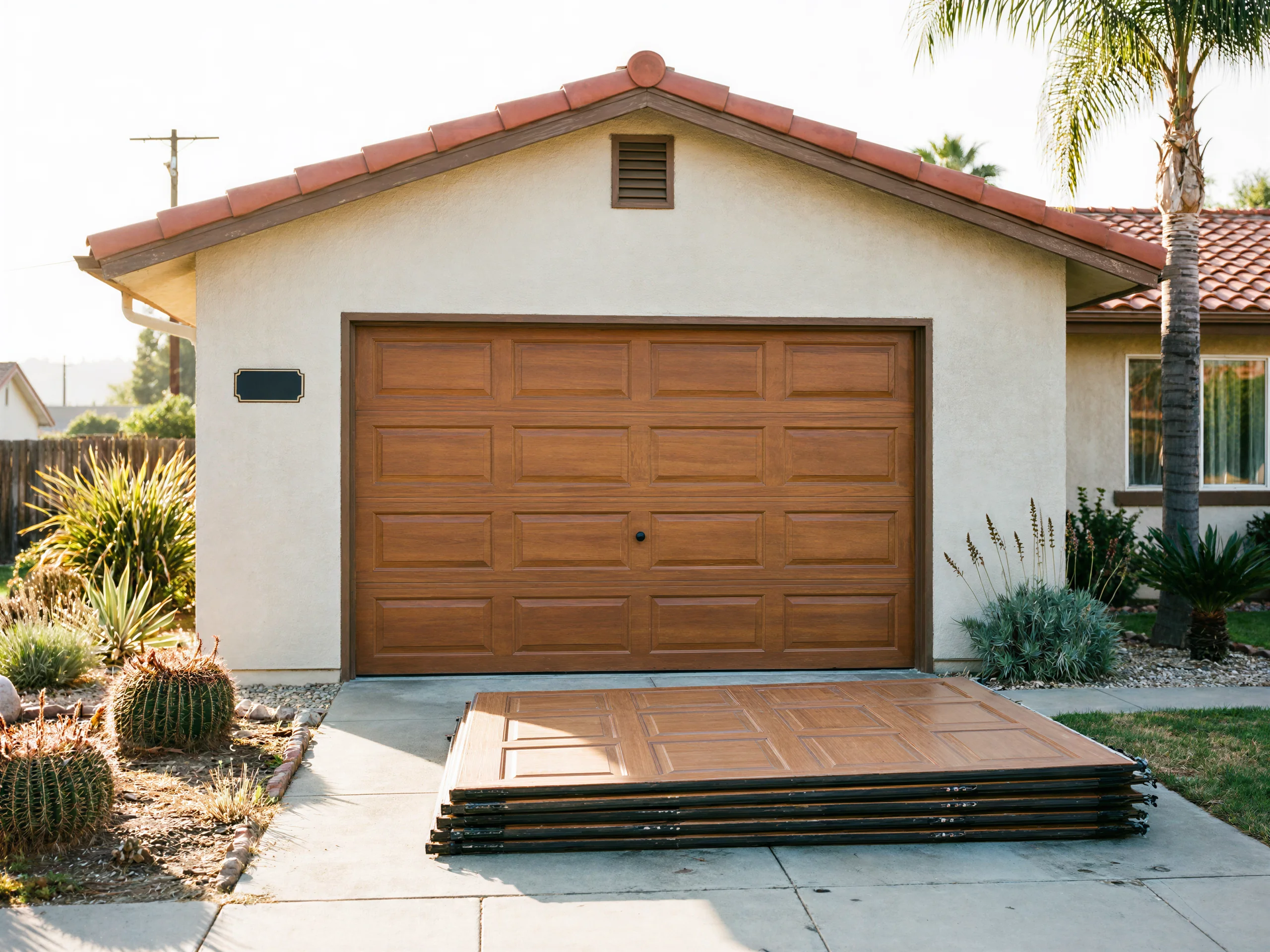
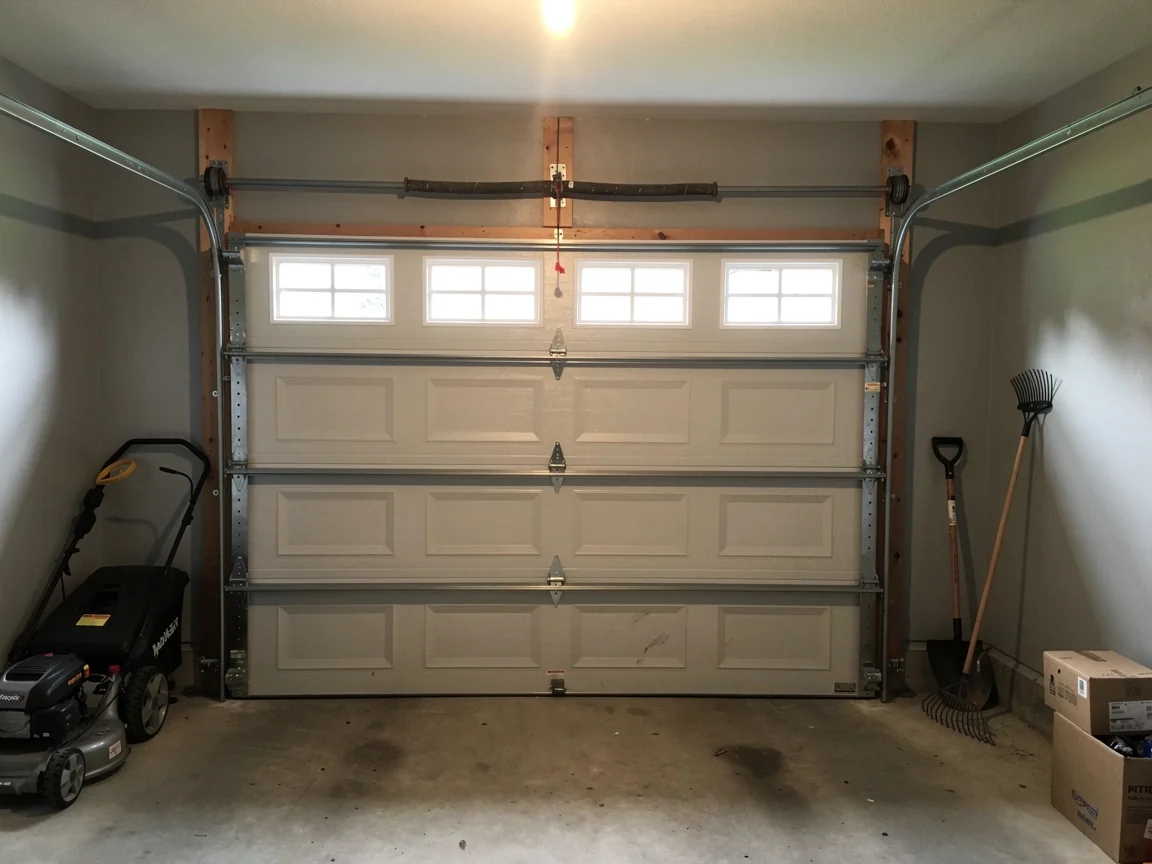
Most garages in Hacienda Heights went up around 1968, which puts them squarely in the sectional steel door era - flat or lightly ribbed panels, usually 16 feet wide for a two-car opening, hung on steel track with steel rollers riding in a plain stem, no ball bearing, no nylon sleeve.
Thin stems and flat edges
That roller design was standard for the period and it's cheap to make, which is also why it's the first thing to go. The stem wears thin, the roller edge flattens on one side, and the door starts rocking in the track instead of riding straight through it.
Measuring stem and diameter
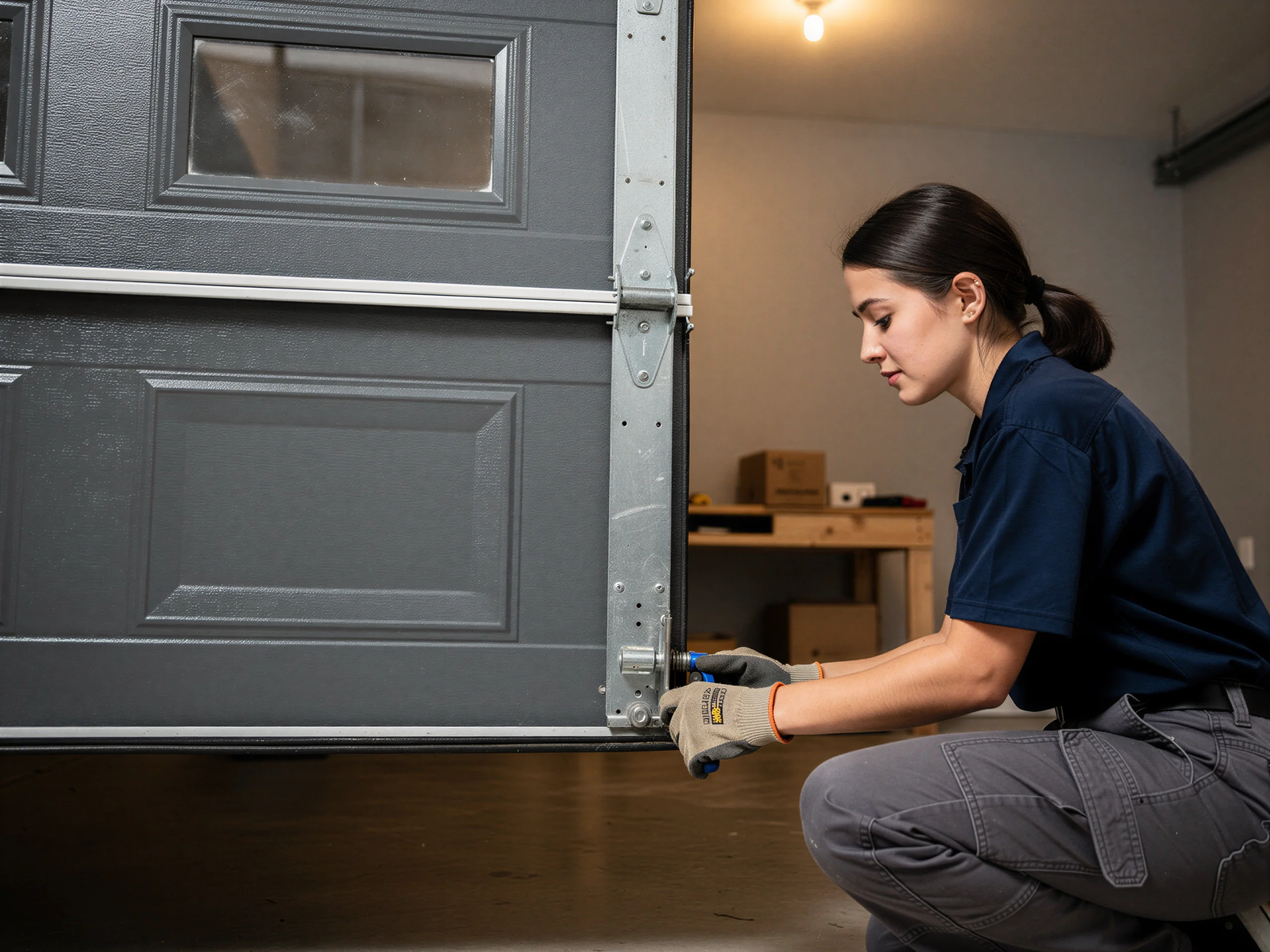
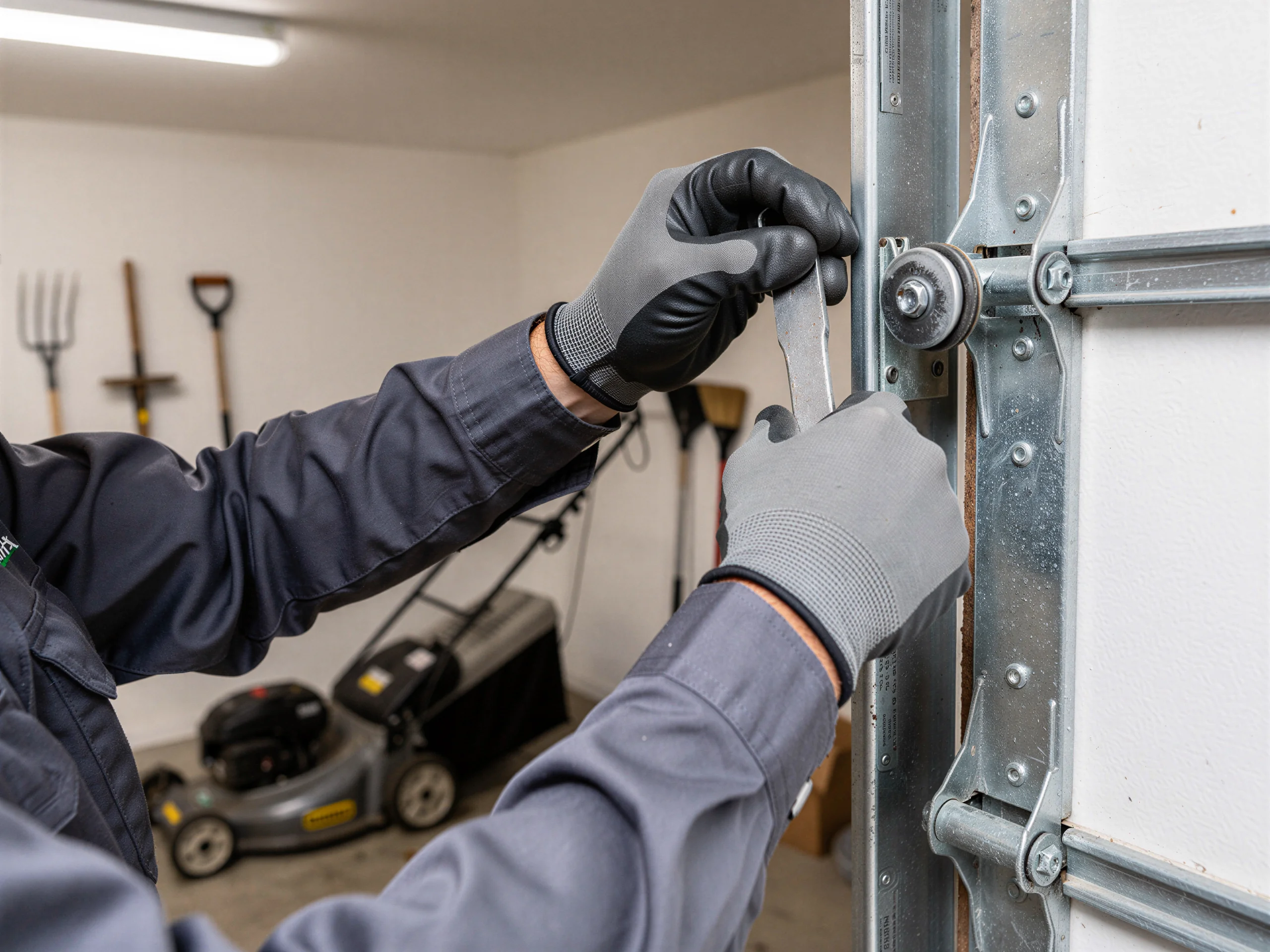
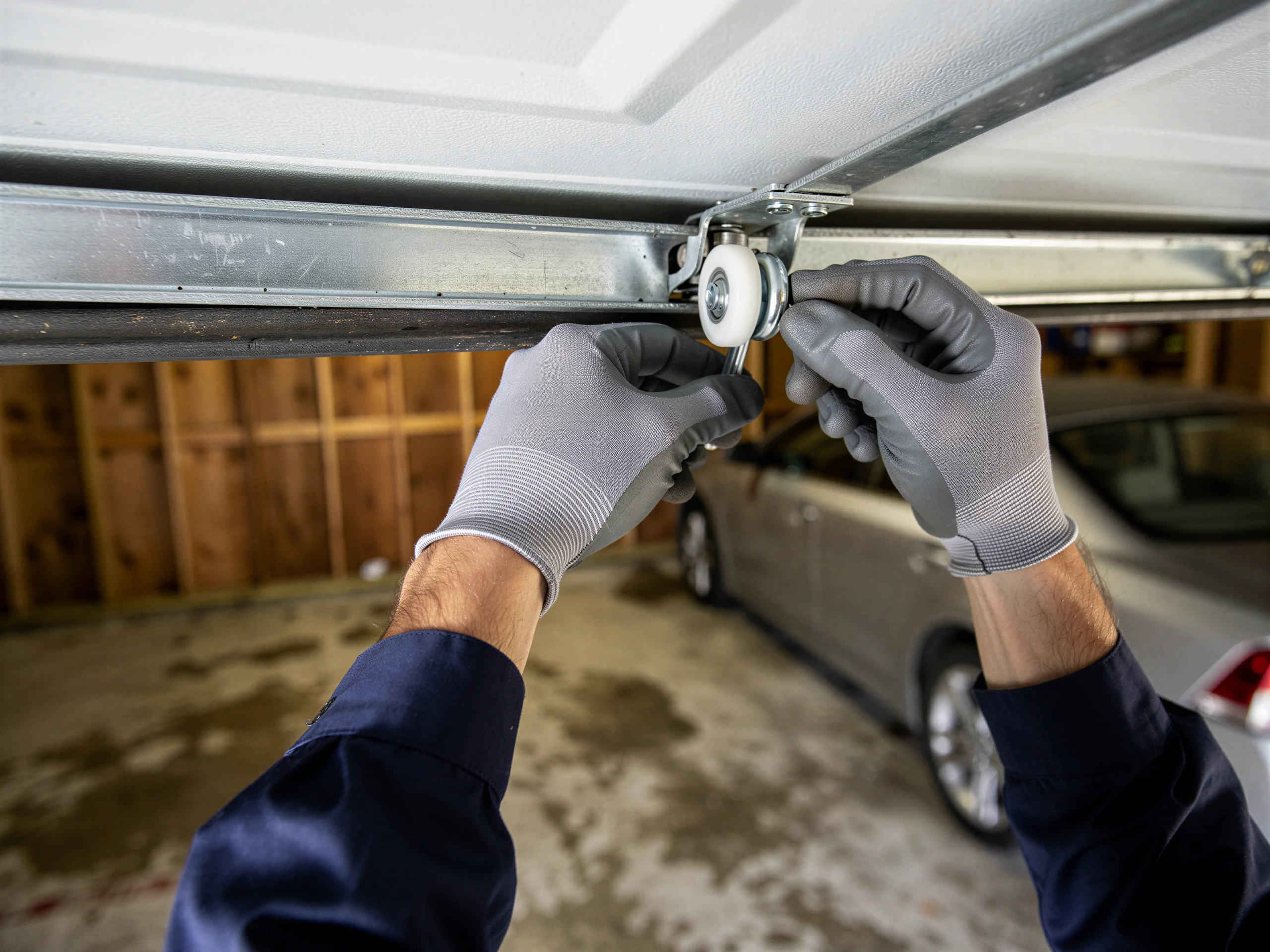
Replacement means pulling each worn roller out of its track section, measuring stem length and roller diameter against what's actually installed (sizes drifted over the decades even within the same manufacturer), and setting new rollers in. On a door this age we also check whether the track itself has egg-shaped at the roller contact points, because a new roller in a worn track just wears again, faster.
Track damage changes the job
If the track's gone, that's a different job and we say so before we start swapping parts that won't fix the real problem. We don't replace rollers one at a time on a working door just because one is noisy - if a door built in 1968 has one bad roller, the rest are close behind, and doing the full set in one visit is the only way the fix lasts.
Talk to a local pro
Garage door service in Chino?
Same-day service with honest, upfront quotes.