What It Costs
We're not going to put a number here that isn't backed by a real quote - door size, material, insulation, and opener choice move the price too much for a flat figure to mean anything. What we can tell you is what drives the cost on a West Covina job specifically: openings from the 1968-era stock here tend to be standard width, which keeps material cost predictable, but if the original wood jamb has shifted or rotted, that framing work adds to the bill before the door itself goes in. We price the job after we see the opening, not before, because quoting blind on a door this old is how you end up either overcharging a simple swap or underquoting a jamb repair. If you want a number, the fastest way is a look at the actual opening, not a phone estimate.
Why This Fails Locally
The housing stock across this part of the service area runs from 1938 to 2007, with a median build year around 1972 - and West Covina sits right in that band, median year 1968. That matters because doors and openers from the same era as the house were built to a lighter spec than anything sold today: thinner steel, no insulation layer, springs sized for a door that weighed less than the one that eventually replaced it. When a homeowner upgrades to a heavier insulated door but keeps the original torsion spring and track, the mismatch shows up as noise, drift, or a door that won't stay up. The region sits in a moderate heat climate band, so we're not dealing with the same insulation urgency as colder markets, but a door that doesn't seal still lets in heat and dust through gaps that widen as the panel ages. A town with over 32,000 households built mostly in one era means this exact pattern - original hardware, upgraded door, no matching track - shows up constantly, not occasionally.
What the Fix Involves
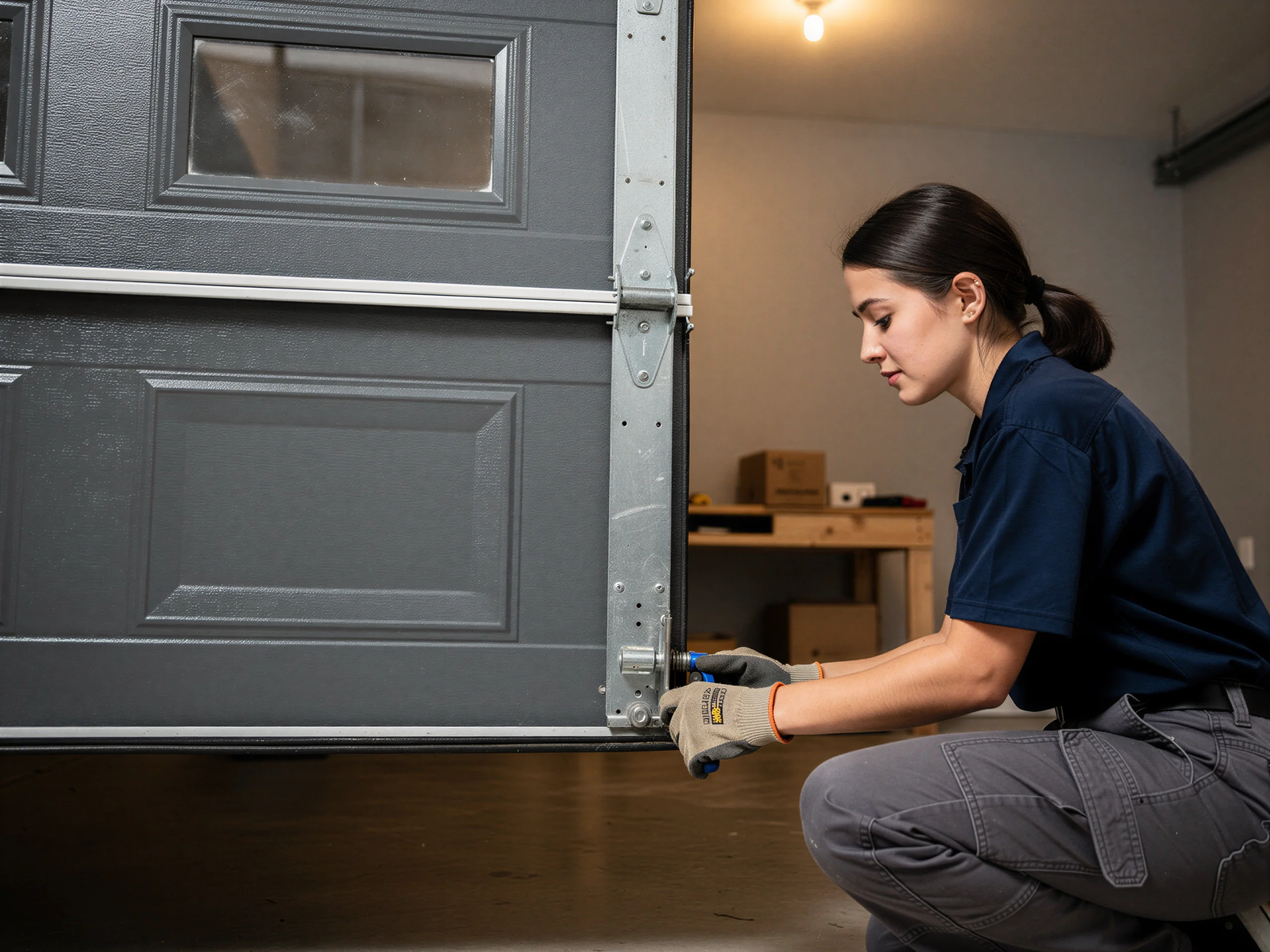
We start by measuring the actual opening, not trusting the door that's currently in it, since additions and past replacements on 1960s-era homes don't always match the original framing.
Springs rated for finished door
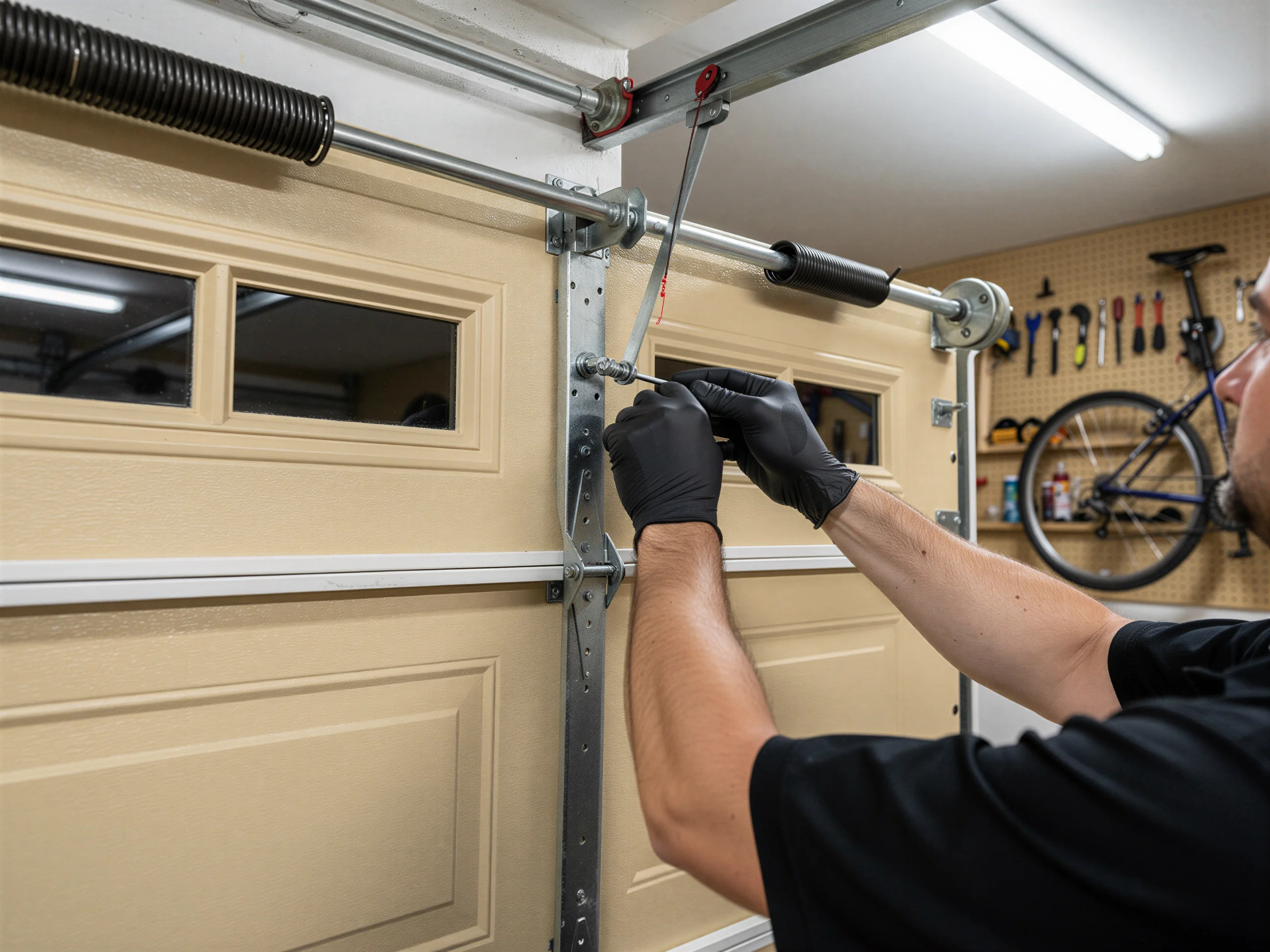
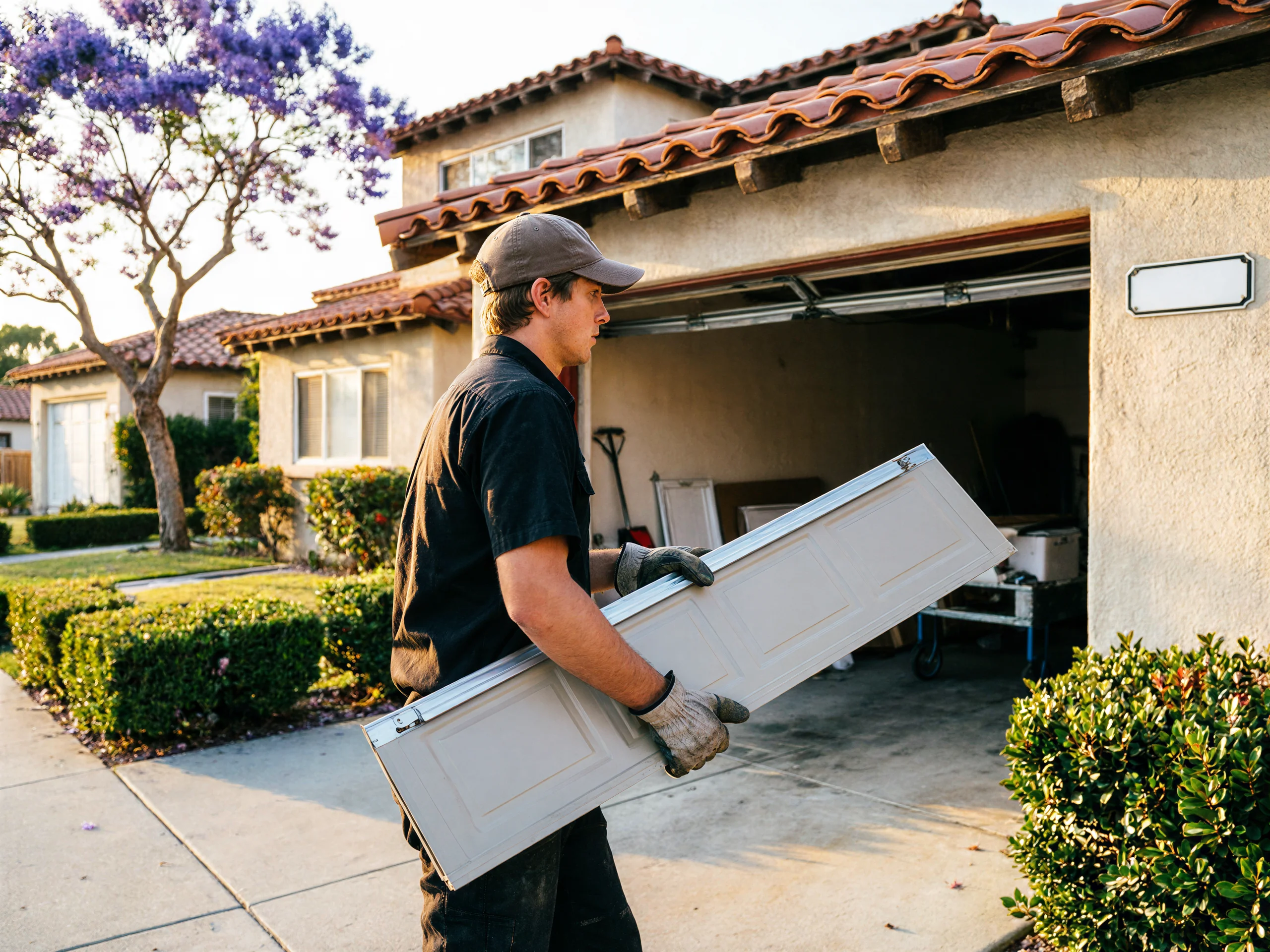
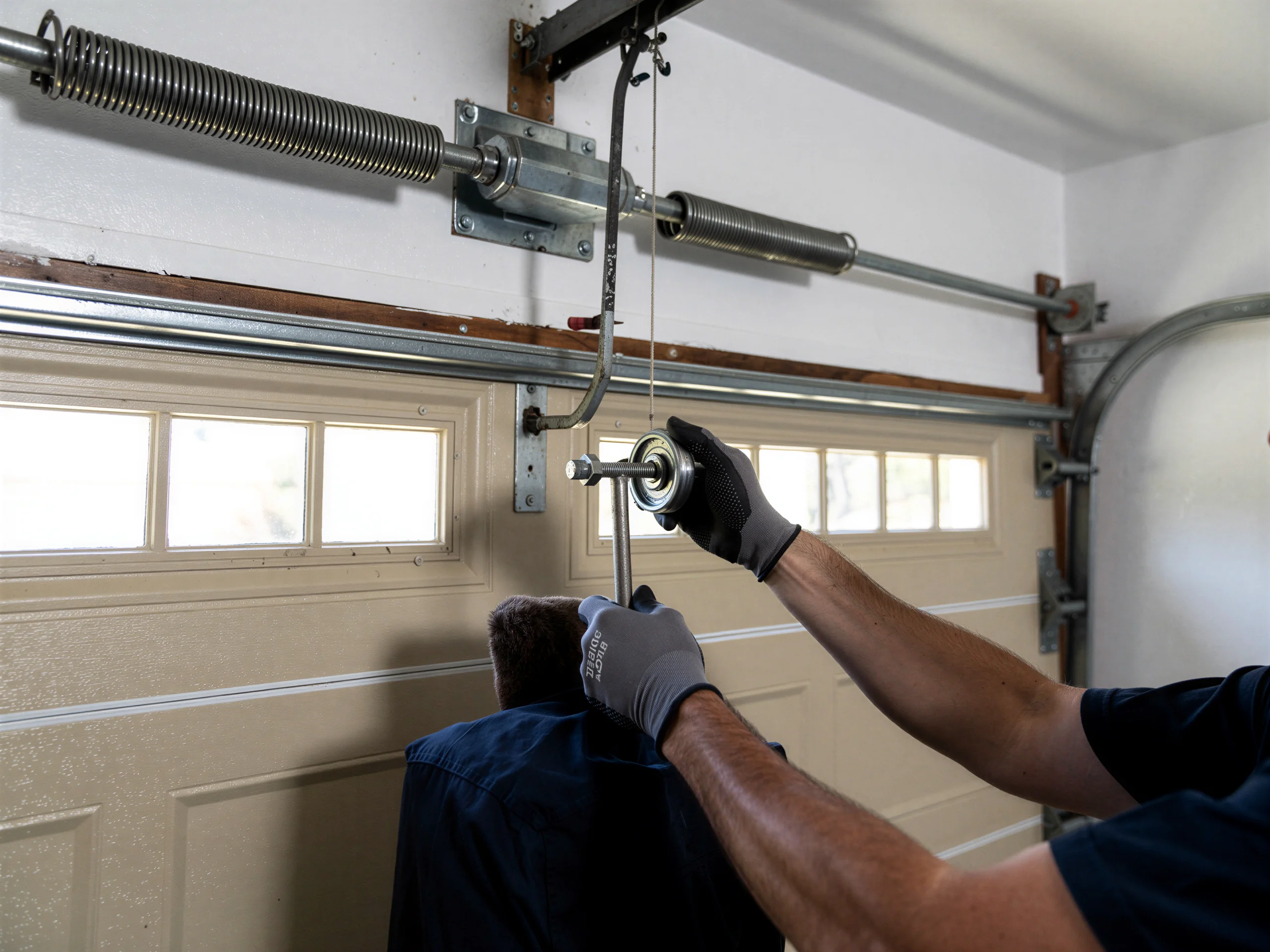
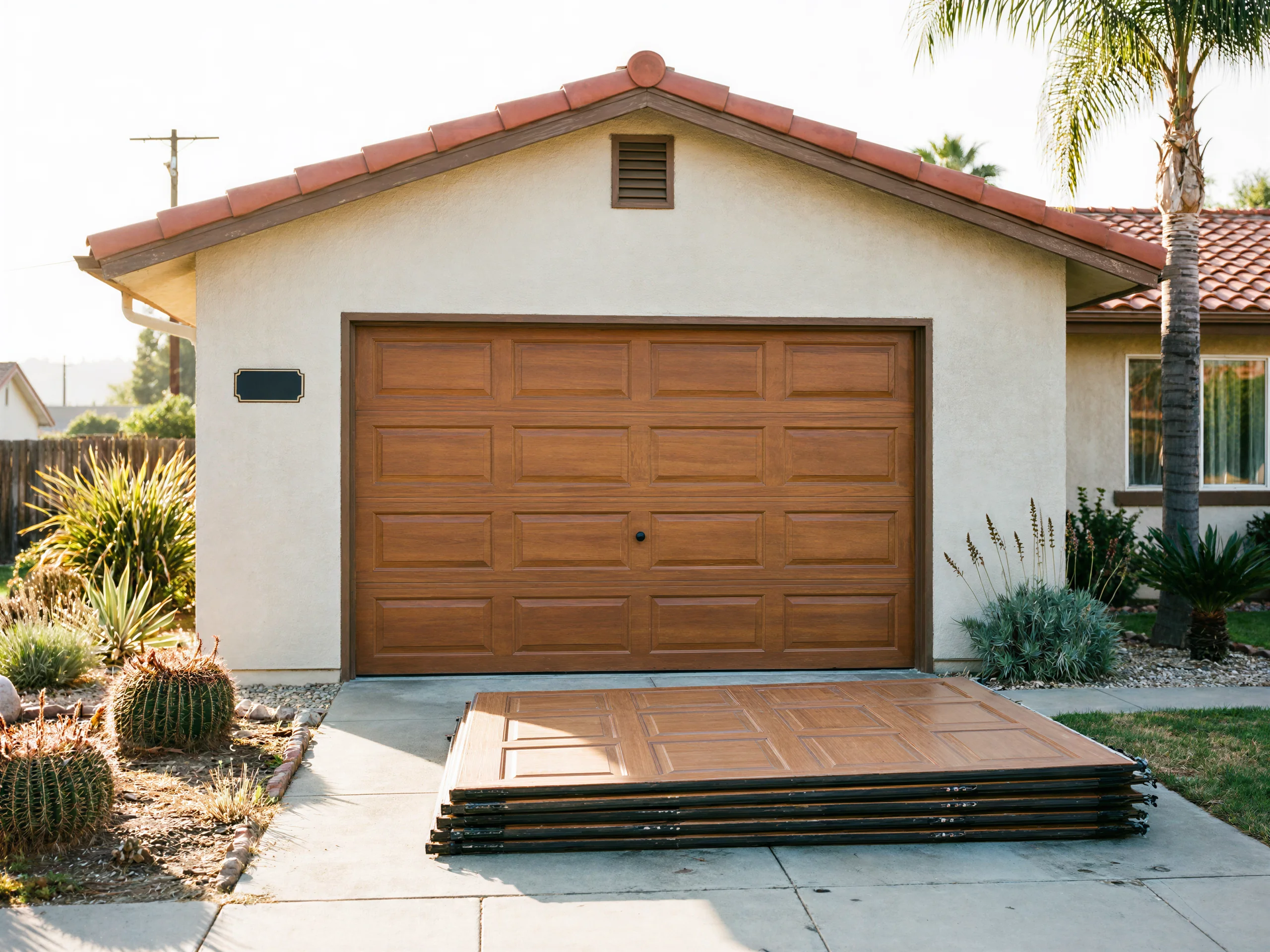
From there it's a new door sized to that opening, new track cut to the door's actual height and weight, and a torsion spring rated for the finished door - not the lighter original.
Resizing spring and opener
If the house is getting an insulated panel for the first time, that's a heavier door than what came out, so the spring and opener both get resized, not just reused. We don't force a new door onto old track or an undersized spring just to save a step; that's the shortcut that brings a service call back in a year.
Assessment on arrival
The whole job is based on what's actually hanging in the opening when we get there, 15 miles out from Chino, not on an assumption about what a 1968 house should have.
What Can Go Wrong
West Covina is a big enough town - about 32,586 households - that we see the same handful of door failures over and over, not one-off oddities.
Original stretched springs
Most of the openings here were framed around 1968, when single-layer steel doors and torsion springs sized for lighter panels were standard. Decades on, those springs are often still the originals, stretched past their rated cycle count, and the doors themselves have sagged at the bottom panel from age more than abuse.
Track not upgraded
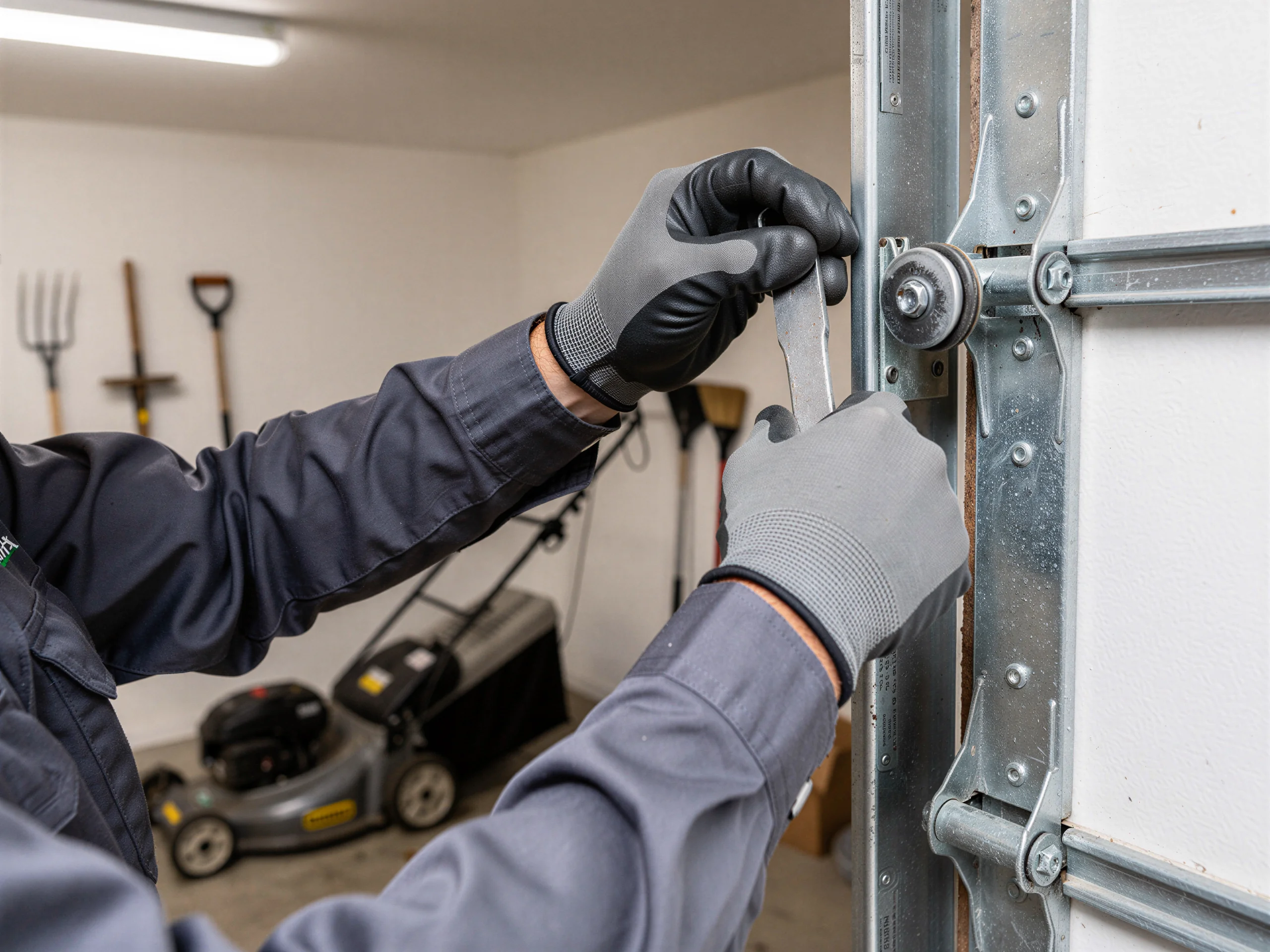
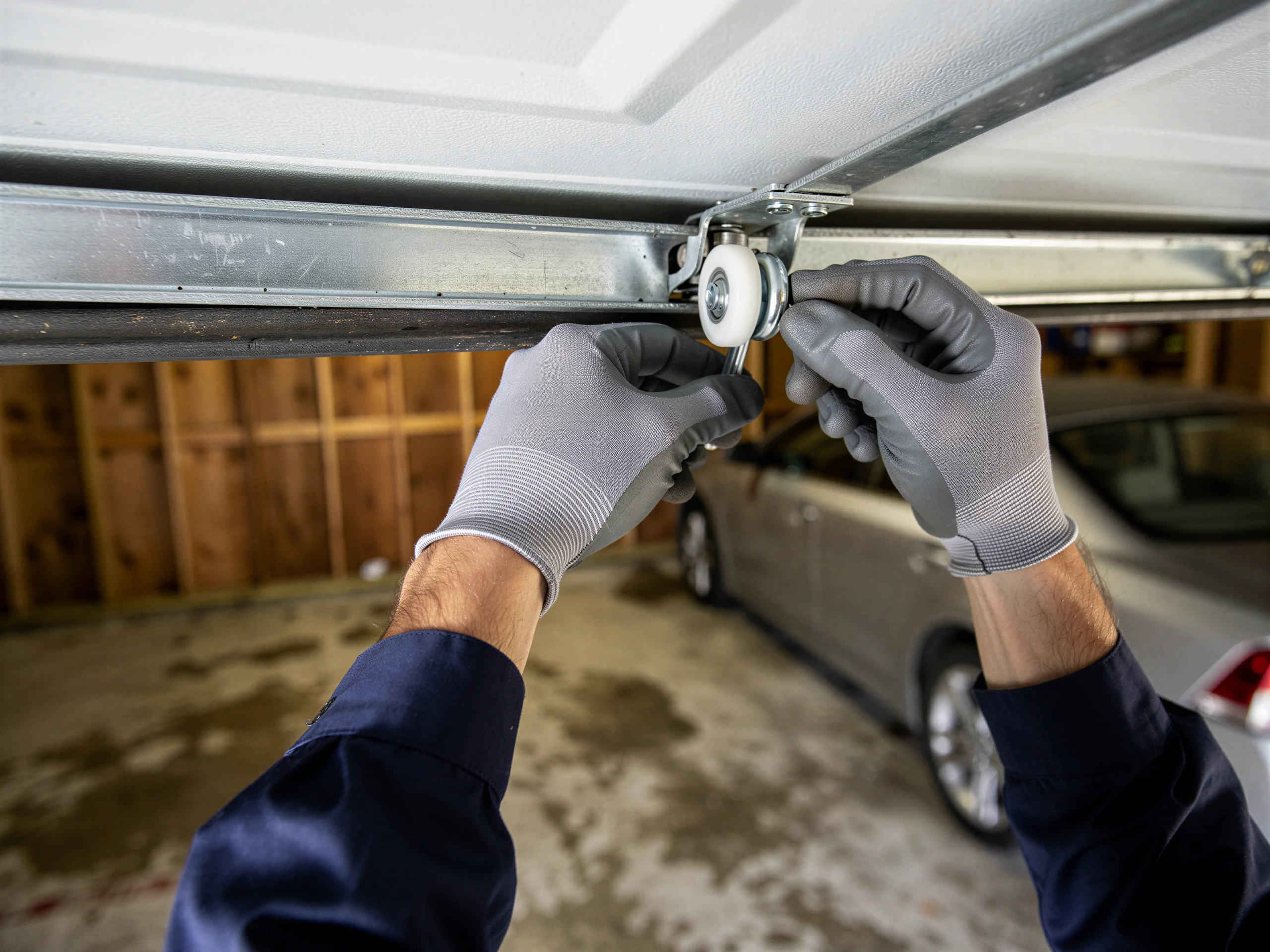
On the two-car openings common in this era, we also find track that was never upgraded when a heavier insulated door replaced the original - so the rollers bind, the opener strains, and the whole assembly wears out faster than it should.
Years of stiff operation
None of this is dramatic failure; it's slow failure, which is why people live with a noisy, stiff door for years before calling anyone. A full replacement usually makes more sense than another round of patch repairs once the drum, spring, and panel are all original to a 50-plus year old opening.
Talk to a local pro
Garage door service in Chino?
Same-day service with honest, upfront quotes.