What It Costs
We don't have a flat number to quote here - spring repair pricing depends on whether the door takes one torsion spring or two, the wire gauge and drum size the original installer used, and whether the cables or rollers need replacing at the same time. Doors from the 1968 era in this area often used lighter-duty springs than what you'd spec for a comparable door today, since household sizes and opener loads were different then. Matching that original spec, or upgrading to a heavier spring if the door's been retrofitted with a heavier insulated panel since, changes the job.
We price the job after we've seen the door, measured the spring, and checked whether the shaft, bearings, or cable drums show wear that'll fail next if we don't touch them now. Quoting a number before that is guessing, and guessing on spring tension is how people get hurt.
Why This Fails Locally
West Covina sits about 15 miles from our Chino shop, in a stretch of the service area where median household income runs near $98,570 and the housing is older than some of the newer tracts closer to Chino itself. Older housing here means more doors still running their original torsion hardware from installation - not a replacement opener bolted onto new rollers, but the actual 1968-vintage spring and shaft assembly that's never been swapped.
That matters because spring wire from that period isn't a stocked size on most trucks. A tech showing up with a generic torsion spring kit built for modern standard doors may find it doesn't match the shaft diameter or winding cone on a door this old. We bring spring stock sized for the era this area was actually built in, not just the current standard width.
What the Fix Involves
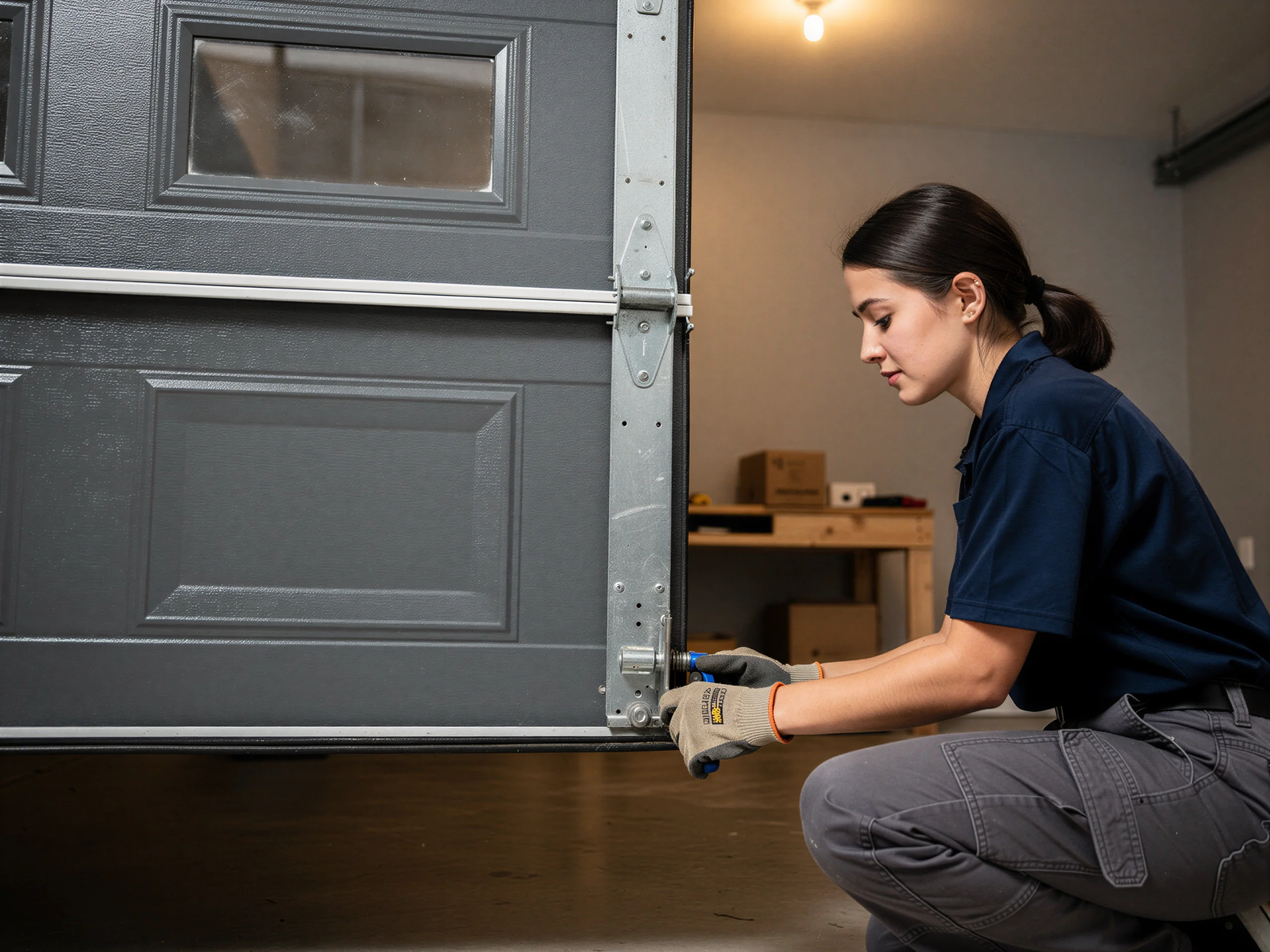
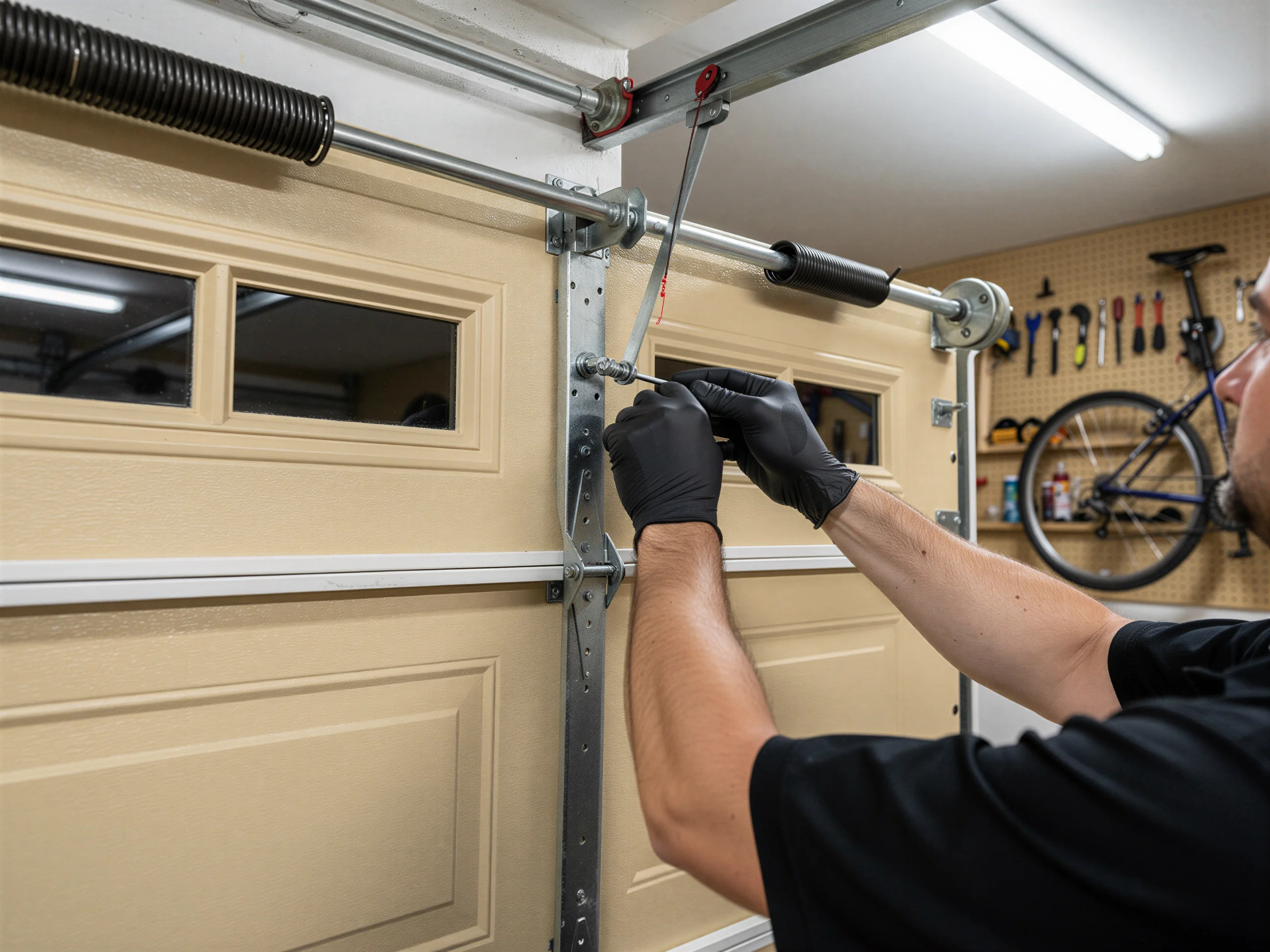
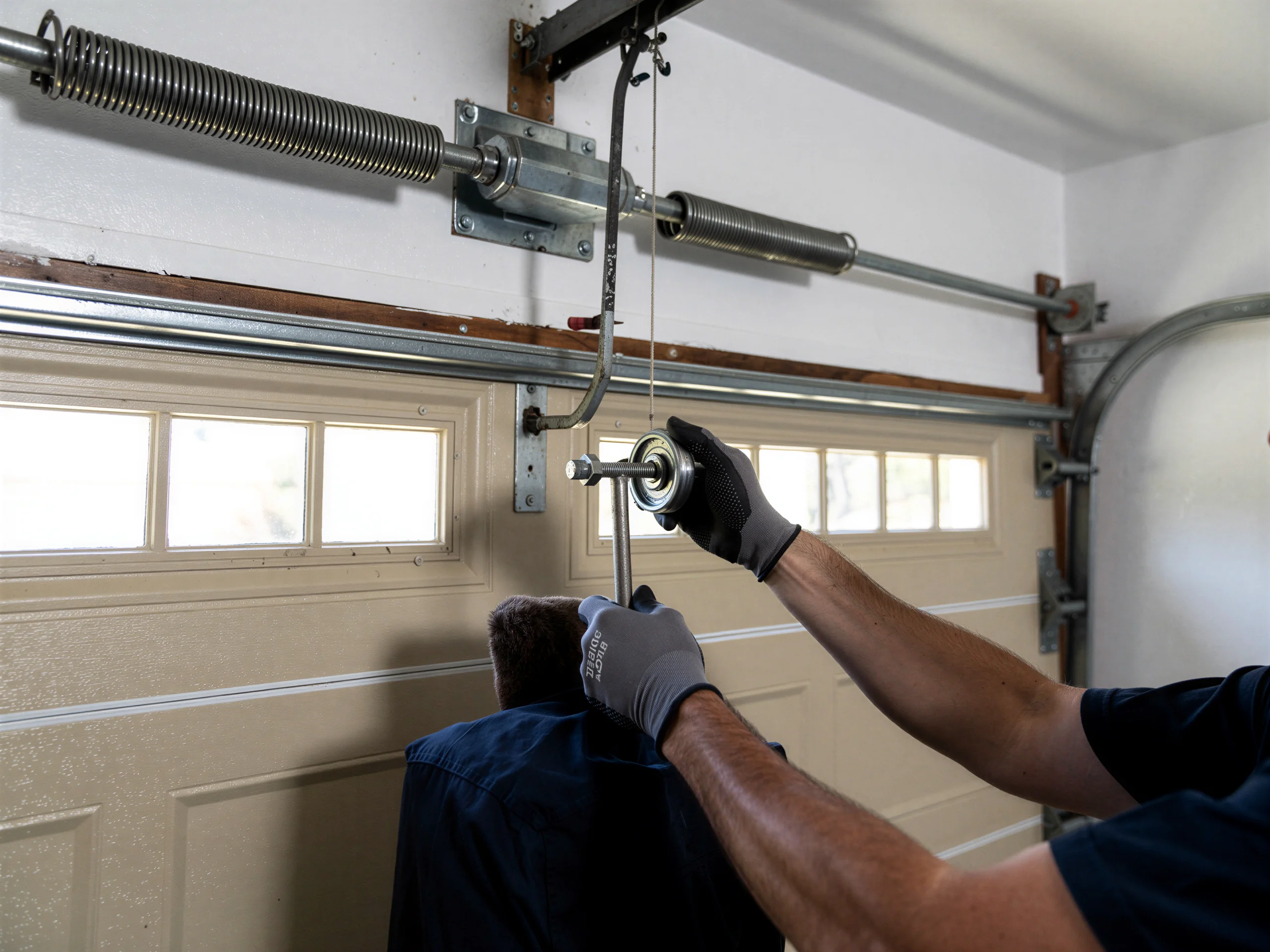
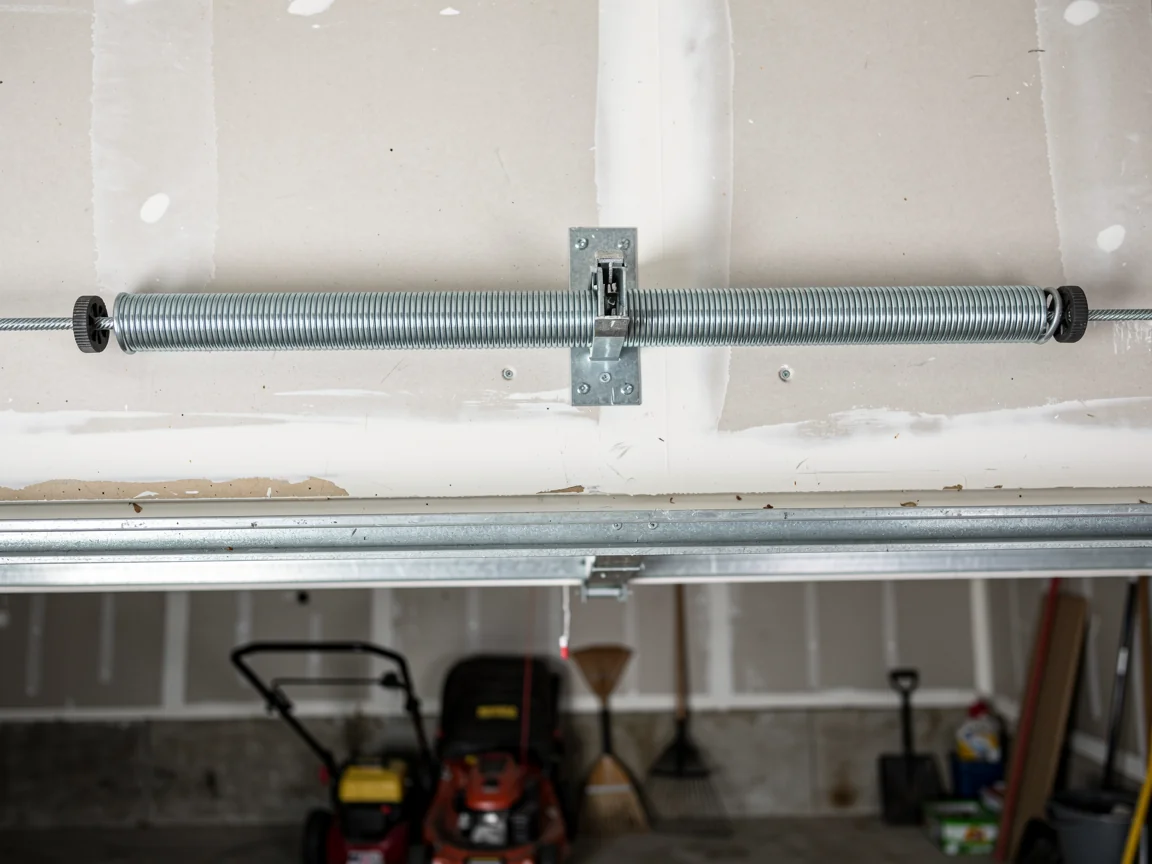
For a torsion spring job, we unload the door's weight off the opener first, back off the broken spring safely with winding bars, and pull the shaft to inspect the bearing plates and cable drums before putting a matched replacement spring on.
Adding a second spring
If the door's original single-spring setup is undersized for its current weight - common on doors that picked up an insulated panel retrofit somewhere along the way - we'll say so and price a second spring rather than hand back a door that's going to fail again in a year.
Halfway balance test
Extension spring jobs are simpler in some ways: replace the spring, check the pulley and safety cable are both present, and test the door balances evenly at the halfway point by hand with the opener disconnected.
Shaft damage limits spring work
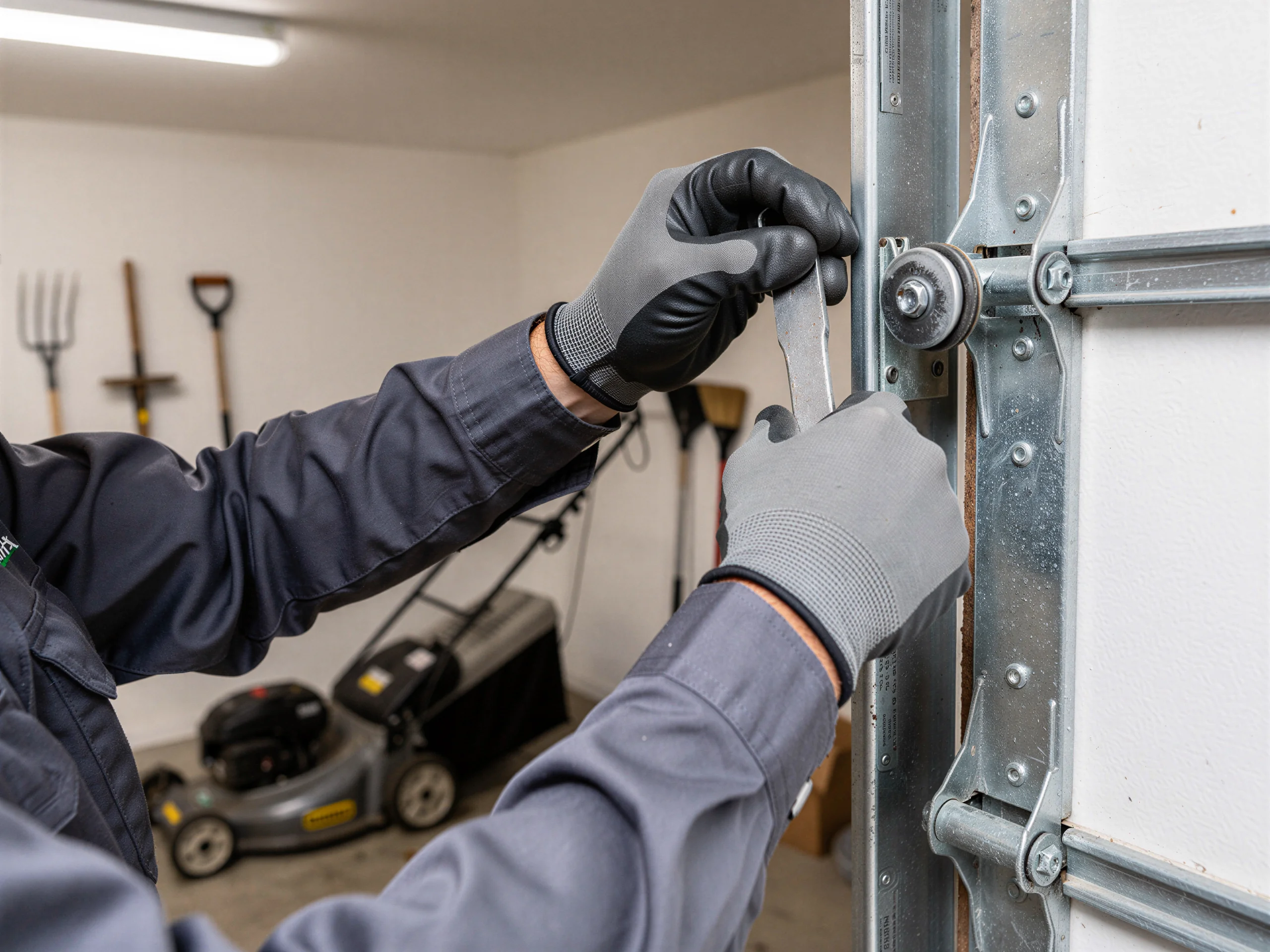
One honest limitation: if the track or shaft itself is bent or rusted through, spring replacement alone won't fix the door, and we'll tell you that before we start rather than after.
What Can Go Wrong
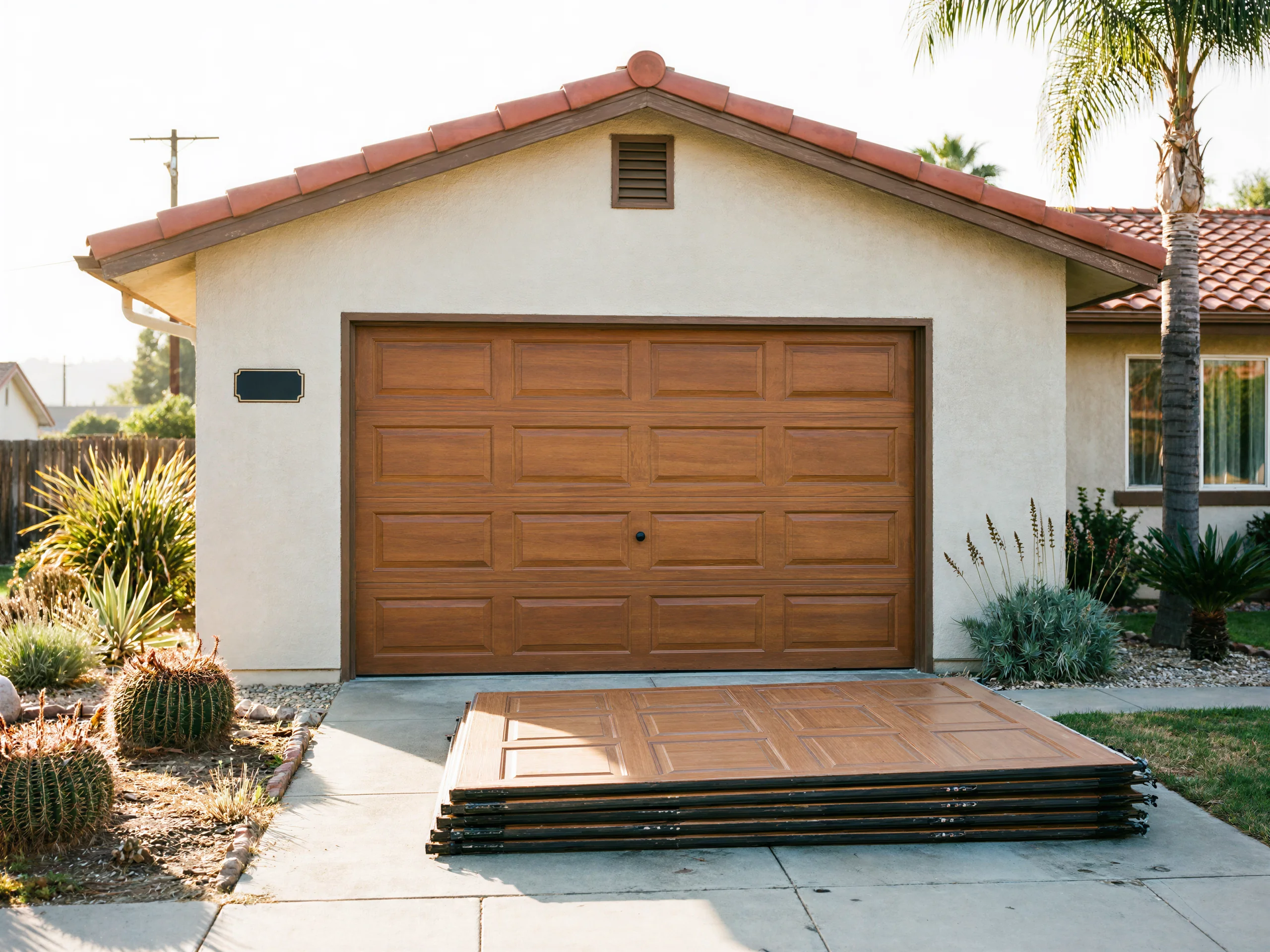
Most garage doors in West Covina went up around 1968, which puts the bulk of this area's housing stock squarely in the tract-built wave of the 1960s and 70s.
Center-shaft single springs
That means a lot of single-layer steel doors on 16-foot double openings, or narrower 8 and 9-foot single doors on older ranch-style garages, hung on torsion springs mounted on a center shaft above the opening - sometimes a single spring doing all the work on a door that's heavier than it looks. Over 50-plus years, the steel on these springs fatigues.
Bang on cold mornings
You'll hear it before you see it: a bang when the spring lets go, usually on a cold morning or after the door's been run a few extra times that week. Once a torsion spring snaps, the door won't stay up on its own - the opener will strain against full the weight of the panel and can burn out trying.
Gradual extension spring stretch
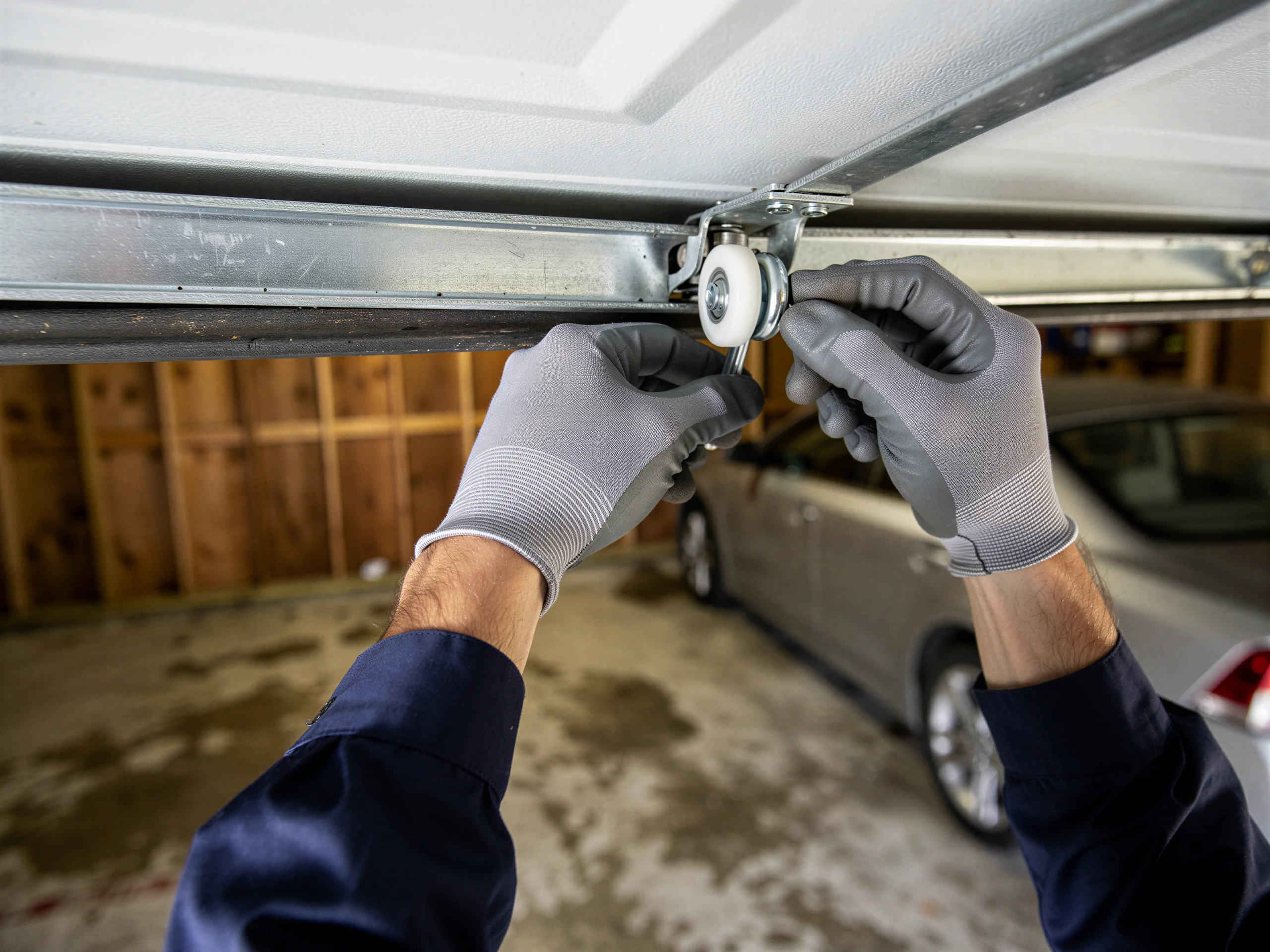
Extension springs, the kind stretched along the horizontal tracks on some older single-car setups, fail differently: they stretch, lose tension gradually, and the door starts drifting down partway instead of stopping flat on command. Cables fraying at the drum is the other common failure that gets blamed on 'the spring' when it's actually the cable about to go.
Talk to a local pro
Garage door service in Chino?
Same-day service with honest, upfront quotes.