How It Shows Up
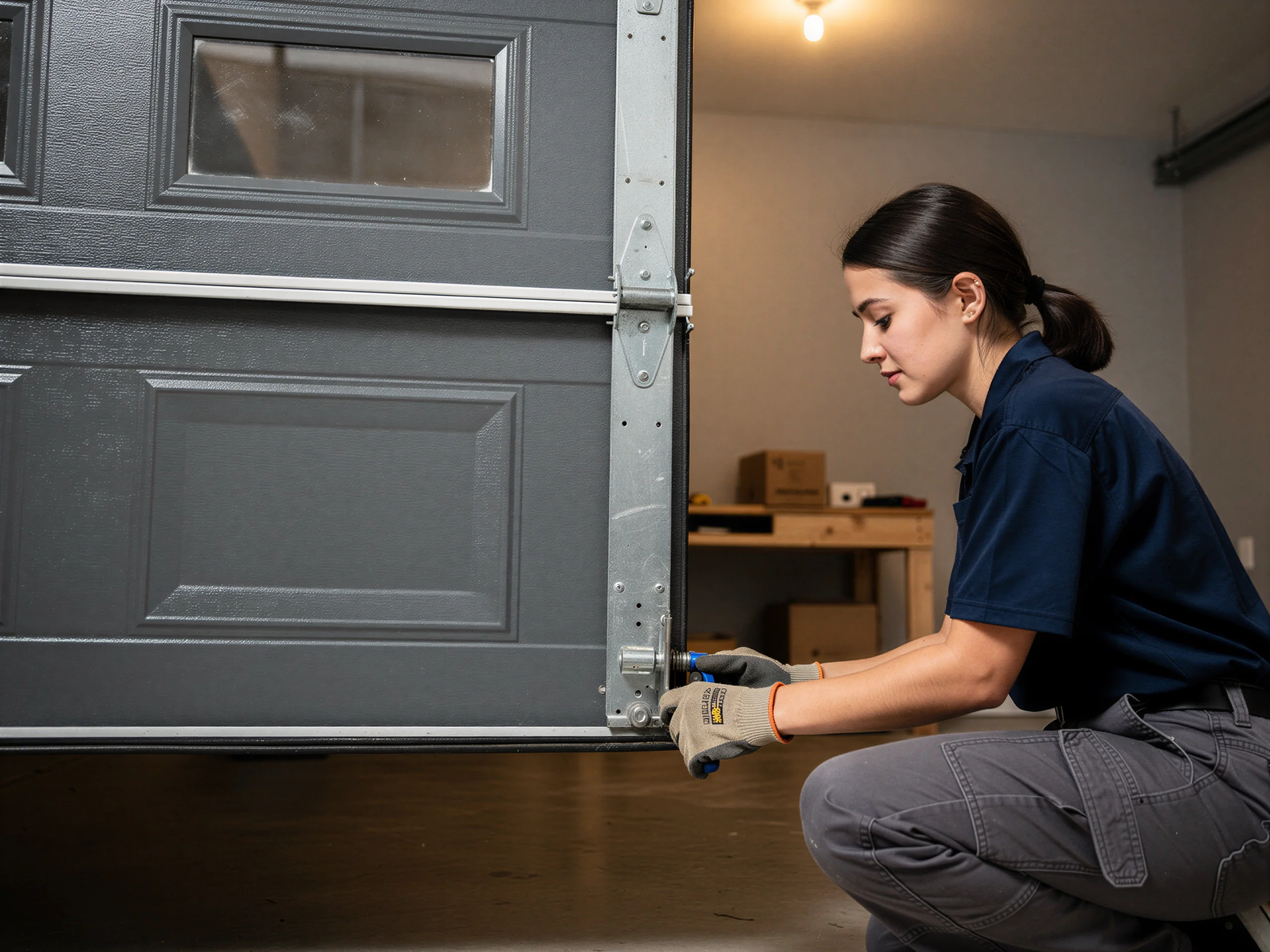
On this era of door, the first sign is usually visual before it's mechanical: the door looks crooked in the opening, tilted a few degrees, even though the opener still runs.
Dragging scrape marks
Some owners catch it because the door starts dragging against the track on one side, leaving a scrape mark. Others notice the opener straining - running longer and louder than it used to - because it's now trying to lift a door that's no longer balanced evenly on both cables.
Top-of-travel bang
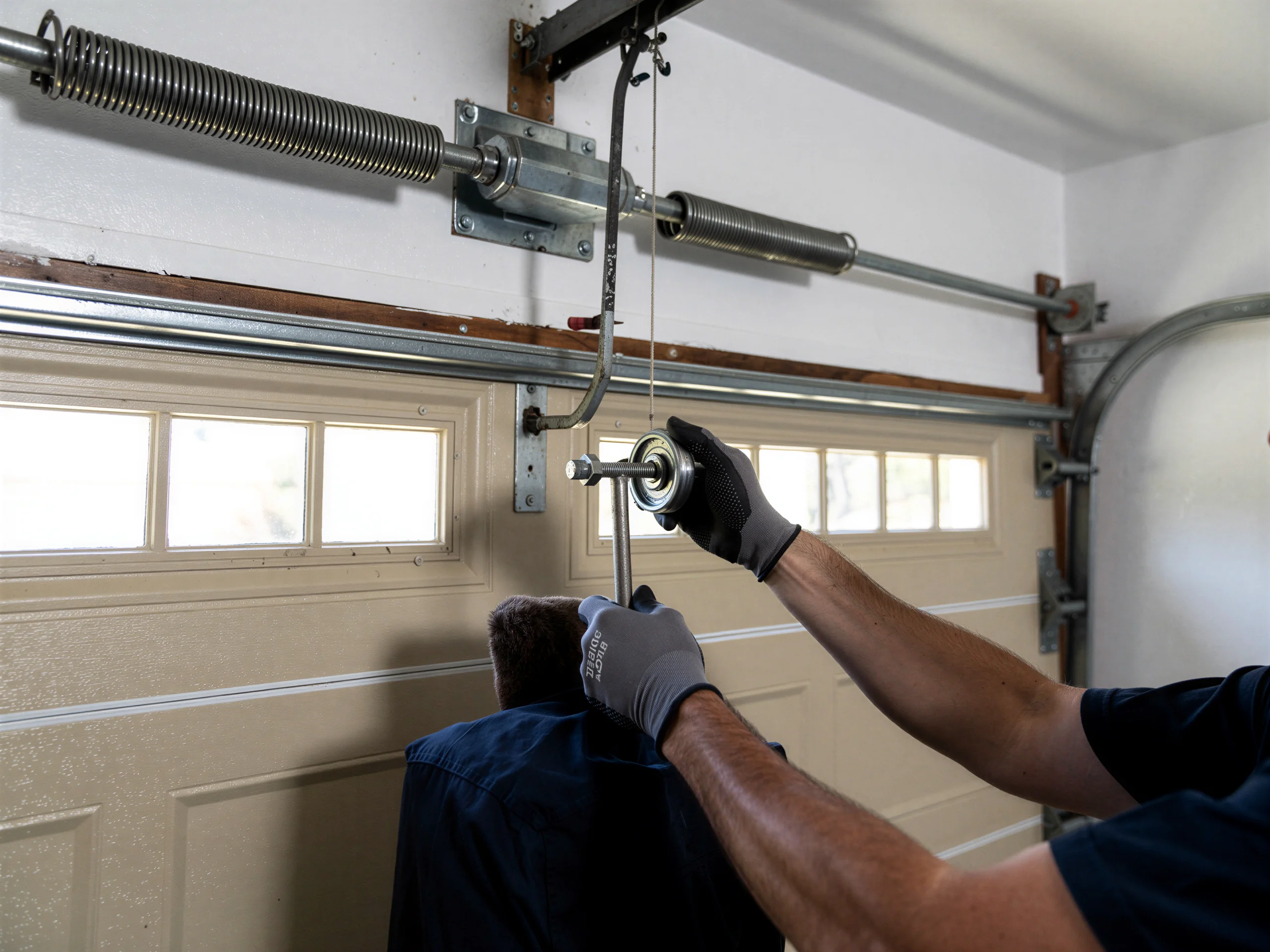
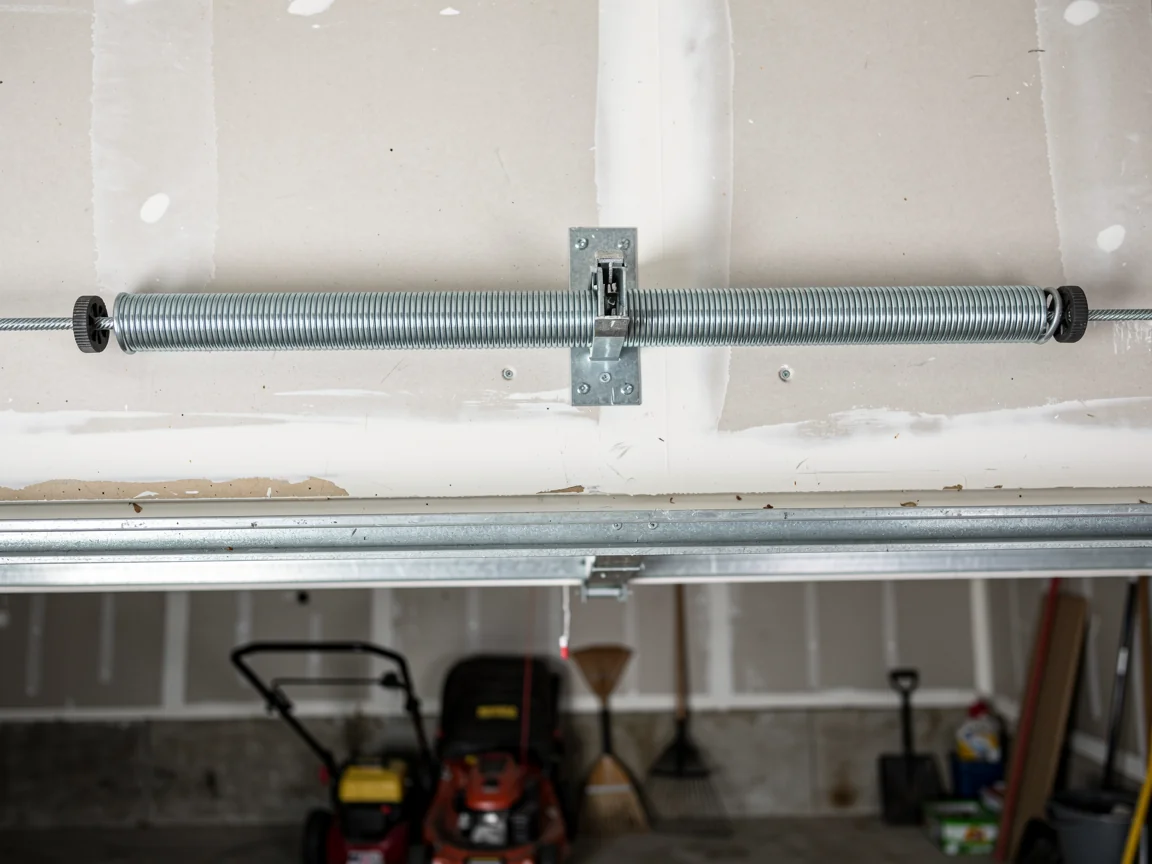
A second common sign on 1979-stock doors is a loud bang at the top of the travel, which is usually one of the extension springs reaching full stretch and snapping back against its mounting bracket.
Shudder versus clicking
That's different from the mid-door shudder you'd get from a center torsion spring letting go, and it tells a tech where to start without opening the door up first. If the door stops moving entirely and the opener just clicks, that's usually the safety cable or a broken cable end, not the opener motor. Worth checking before assuming the opener itself has failed.
What It Costs
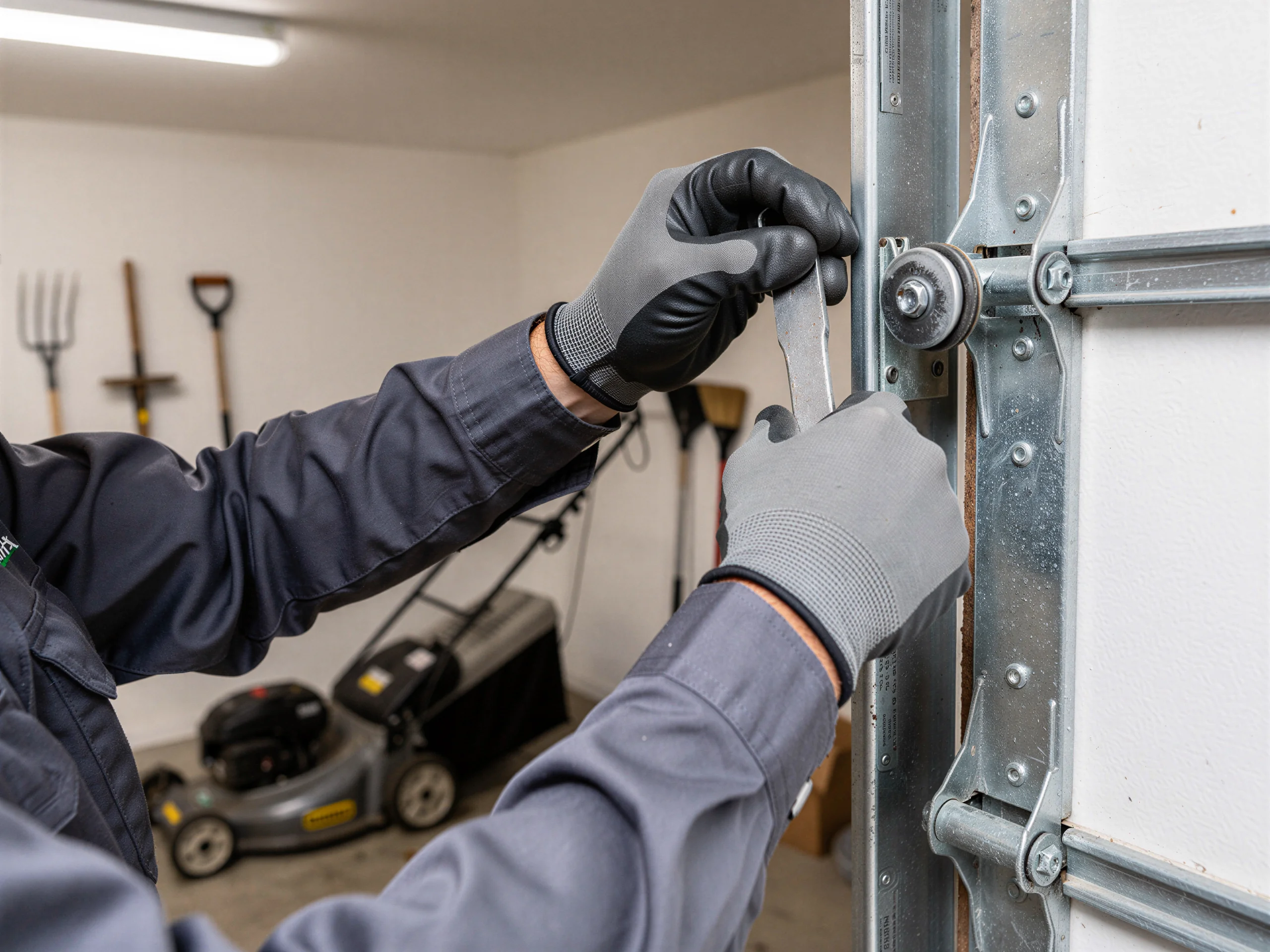
We don't post a flat number here because the repair on a 1979-stock door depends on whether one cable has gone or both, and whether the pulleys and drums underneath have worn enough to need replacing along with the cable. A single-cable swap on a balanced door is a shorter job than a full re-cable with new pulleys on both sides.
What we can tell you without guessing: if the door is racking badly enough that it's come off the track, that's a different job than a clean cable break, because the track itself may need to be reset or replaced. A tech can tell you which one you've got by looking at the door, not by asking you to describe it over the phone.
Stocked Parts
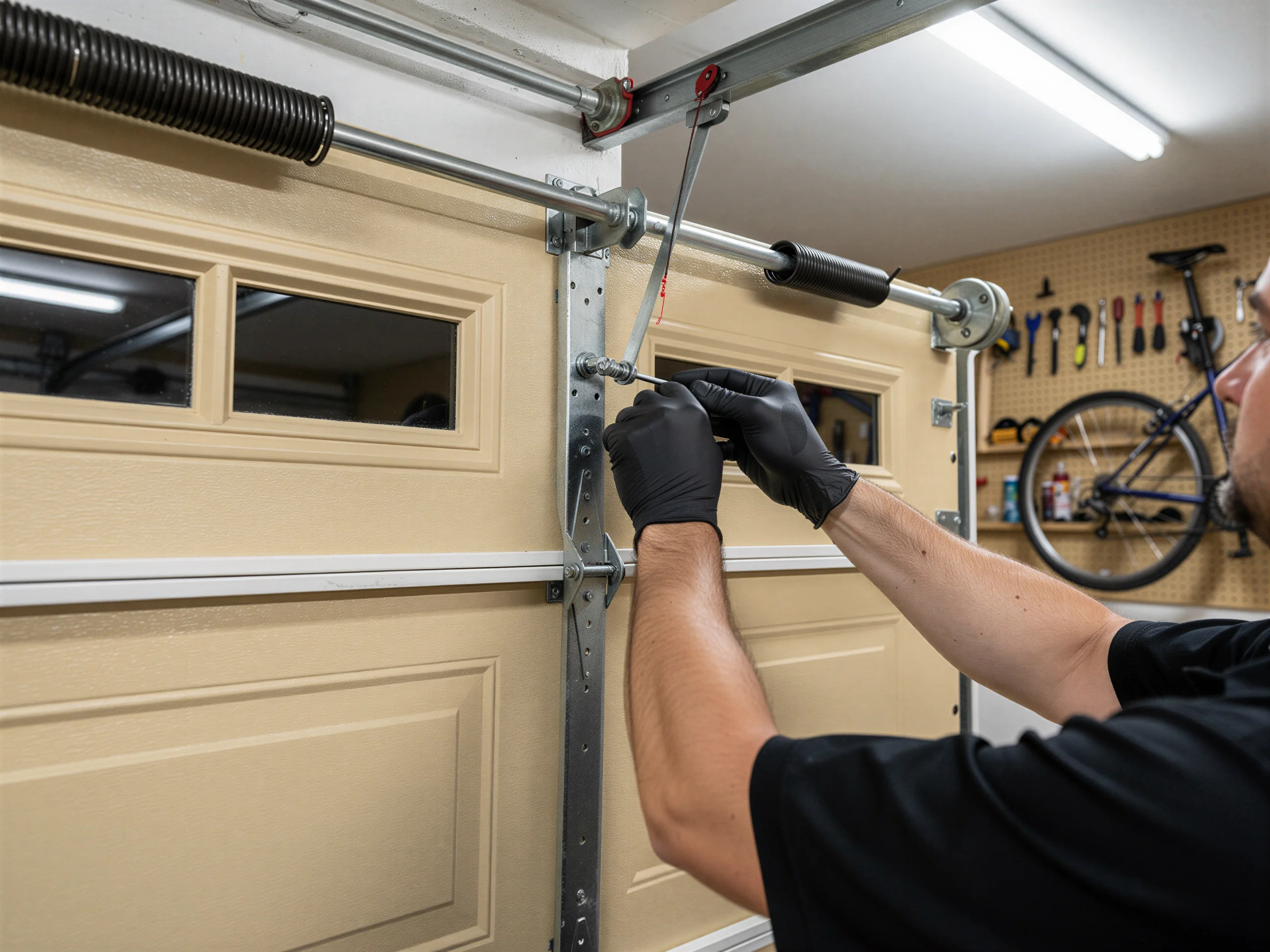
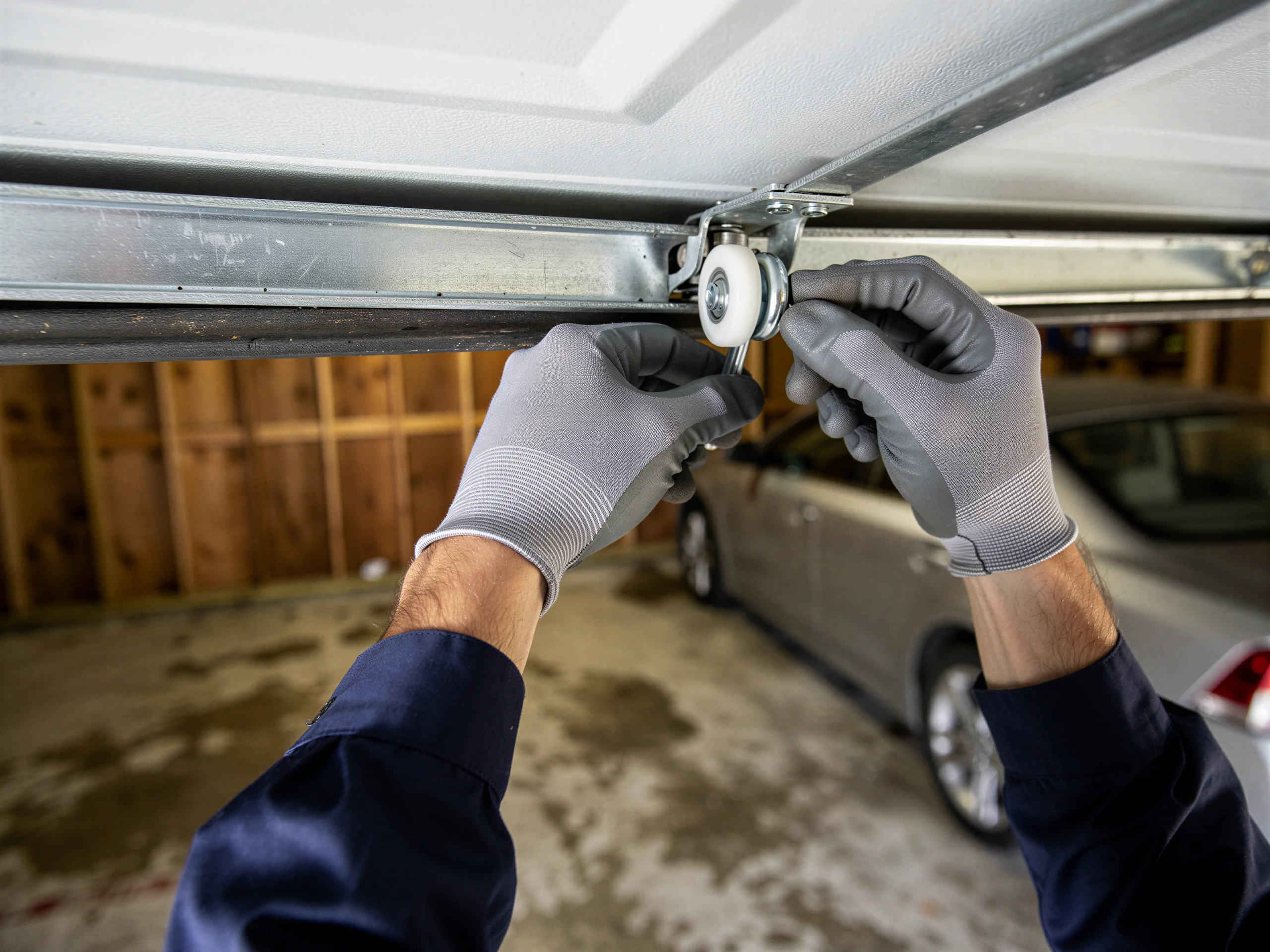
Given the 1979 median build year across Diamond Bar, the truck carries extension spring sets, galvanized lift cable, and the stamped-steel pulleys and drums that go with that hardware - the parts this era of door actually needs, not the torsion-bar components that older homes closer to Chino tend to run.
Common safety cables stocked
We also carry the common safety cables that thread through extension springs, since those are usually due for replacement at the same time as the cable itself. What we don't stock on the truck is anything custom-sized - a non-standard door width or a panel that was special-ordered when the house was built.
Panels need ordering
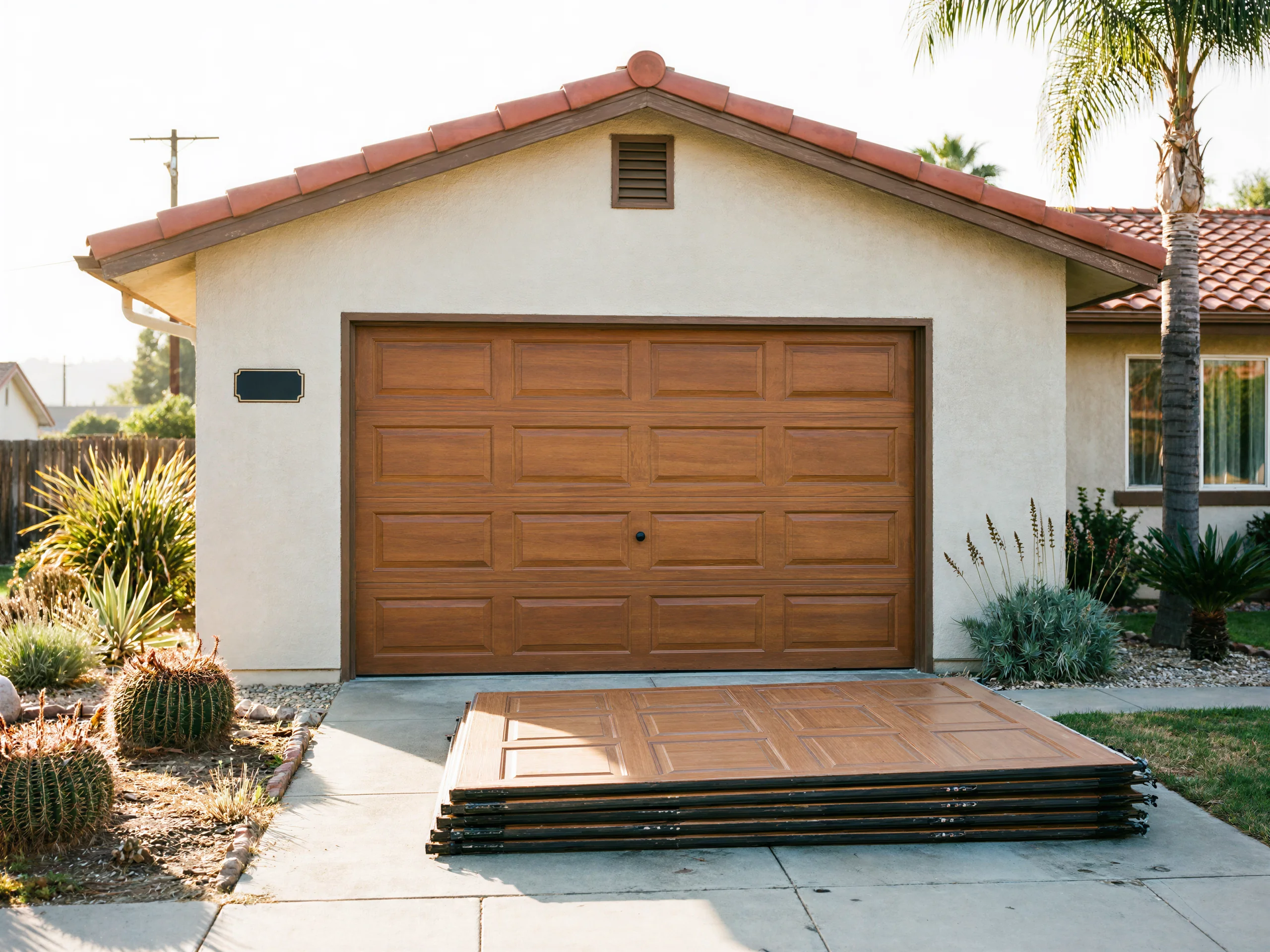
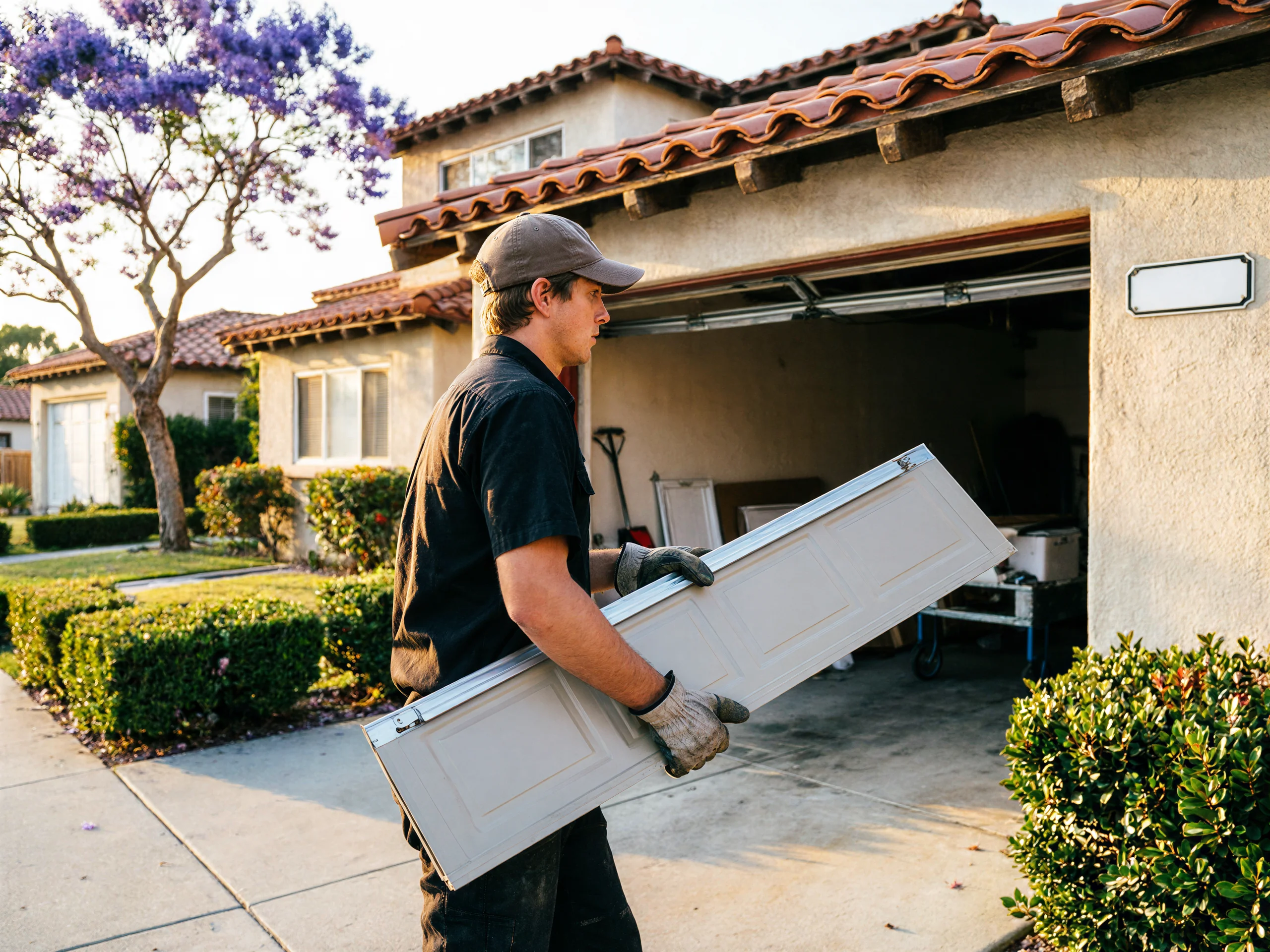
That's the one honest limit here: if your door needs a panel replacement rather than a hardware fix, that part has to be ordered, and we'll tell you that on the spot rather than let you wait for a truck part that isn't coming.
How Long You Are Without the Door
We run the 9 miles from Chino to Diamond Bar on the same truck stocked for the hardware common to the area's 1979-era doors, so most cable and pulley repairs get done in one visit rather than a return trip for parts. The distance itself isn't the bottleneck - it's whether the job in front of us is a straightforward cable swap or a door that's come off its track and needs to be reset first.
If what's needed turns out to be a special-order panel, you're waiting on that part regardless of where you live, and we won't pretend otherwise. For everything else - springs, cables, pulleys, drums - the parts for this housing era are already on the truck when it leaves Chino.
What Can Go Wrong
The thing people get wrong on a racked door is trying to force it closed by hand or running the opener repeatedly to see if it'll straighten out.
Frayed cable breaks
On a cable that's already frayed, that's usually what finishes the break, and a door that comes off the track while someone's standing under it is a real way to get hurt, not a hypothetical one.
Misdiagnosing opener failure
The other mistake is assuming a loud bang means the opener is failing and replacing it, when the actual problem is a spring that let go at the top of its travel.
Opener outlasts hardware
Opener motors on 1979-stock doors generally outlast the springs and cables by a wide margin, so swapping the opener first is usually money spent on the wrong part. If the door is tilting or dragging, that's hardware under the door, not the box on the ceiling.
Why This Fails Locally
The fault we see most in Diamond Bar isn't the same one we see on the older streets closer to Chino. Diamond Bar's housing stock centers on 1979, a few years past the service area's overall median build year of 1972, and that gap matters more than it sounds like it should. Doors from the late 1970s were commonly shipped with extension springs run on separate pulleys rather than a single torsion bar over the header, and the galvanized cable on those setups stretches and frays at a different rate than the torsion hardware going into homes from the early '70s.
That means the failure mode skews toward a snapped or slipped cable on one side of the door, not a broken torsion spring centered over the opening. Owners usually notice it as the door racking - one side dropping faster than the other when it closes - rather than a dead stop. If your house here was built close to 1979, that's the hardware you're almost certainly carrying, and it changes what a tech checks first on the call.
Talk to a local pro
Garage door service in Chino?
Same-day service with honest, upfront quotes.