How It Shows Up
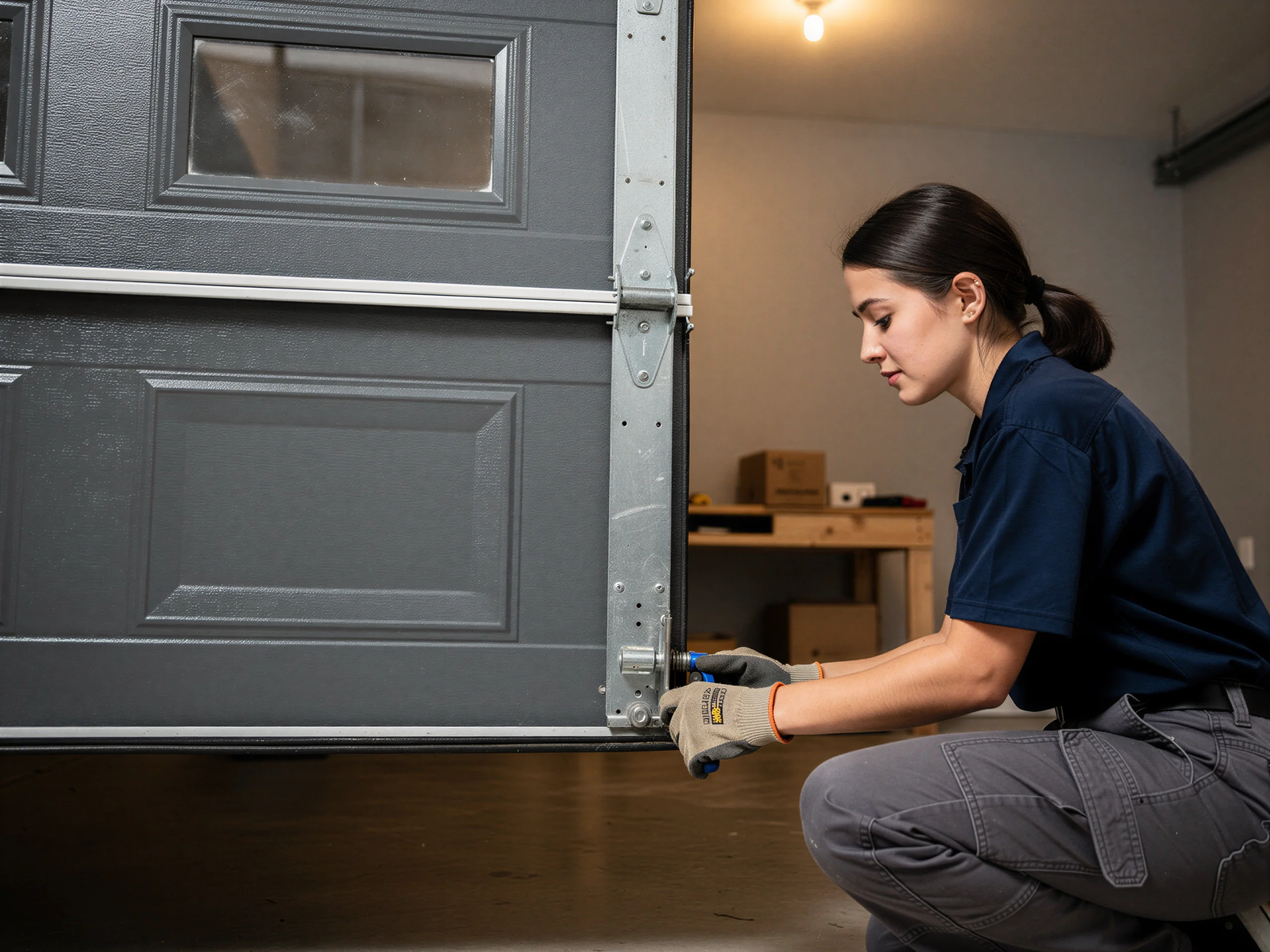
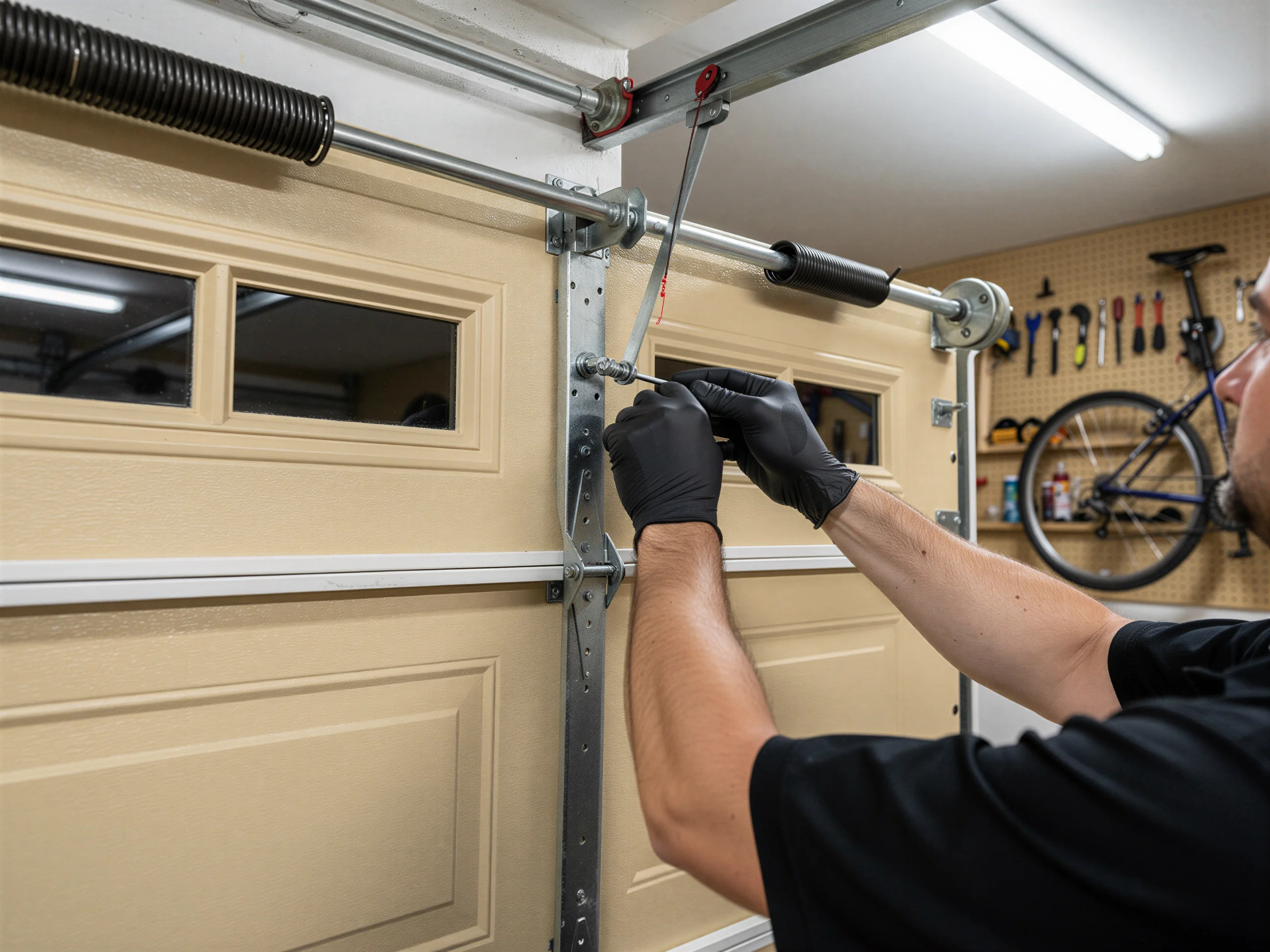
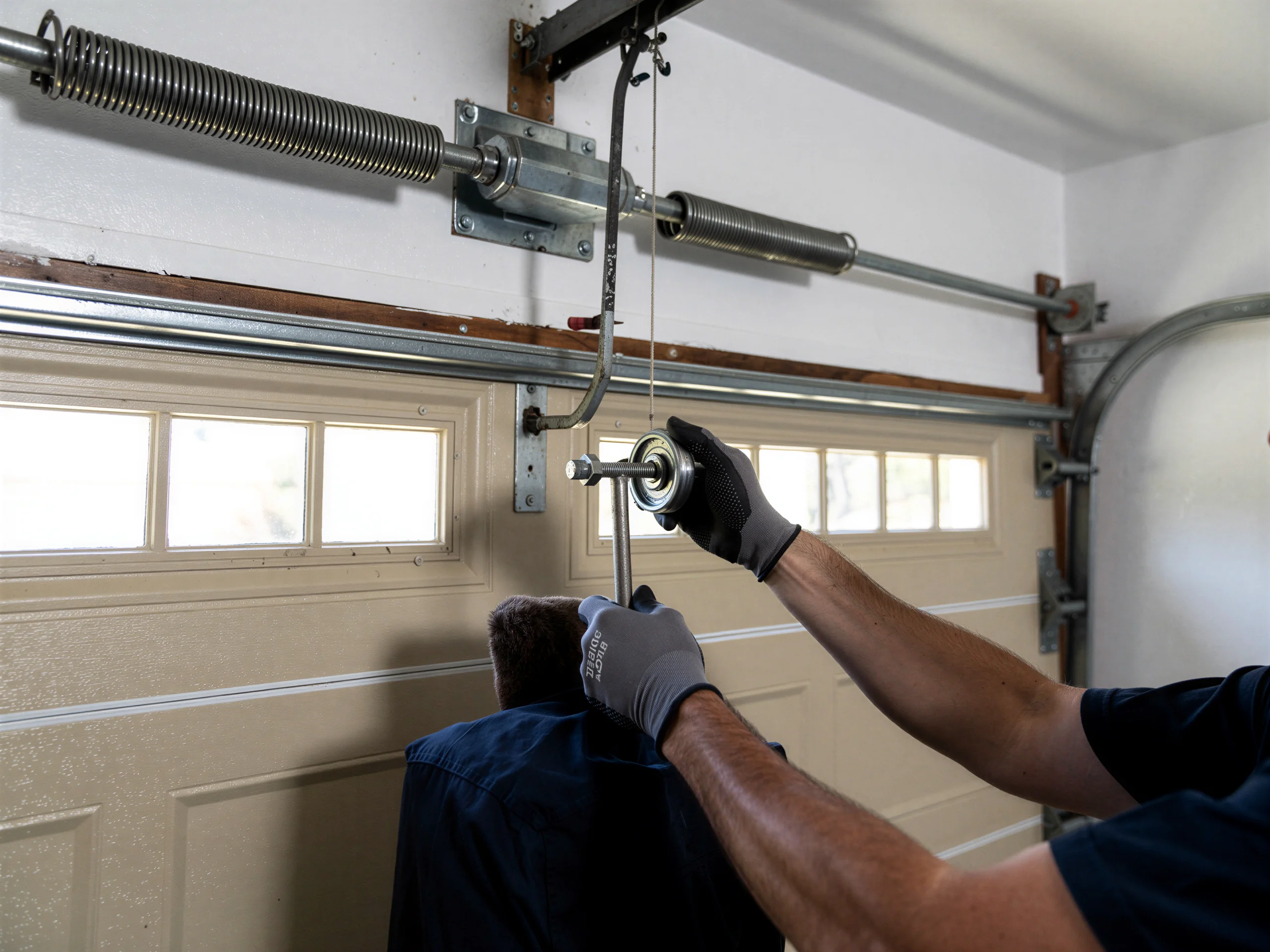
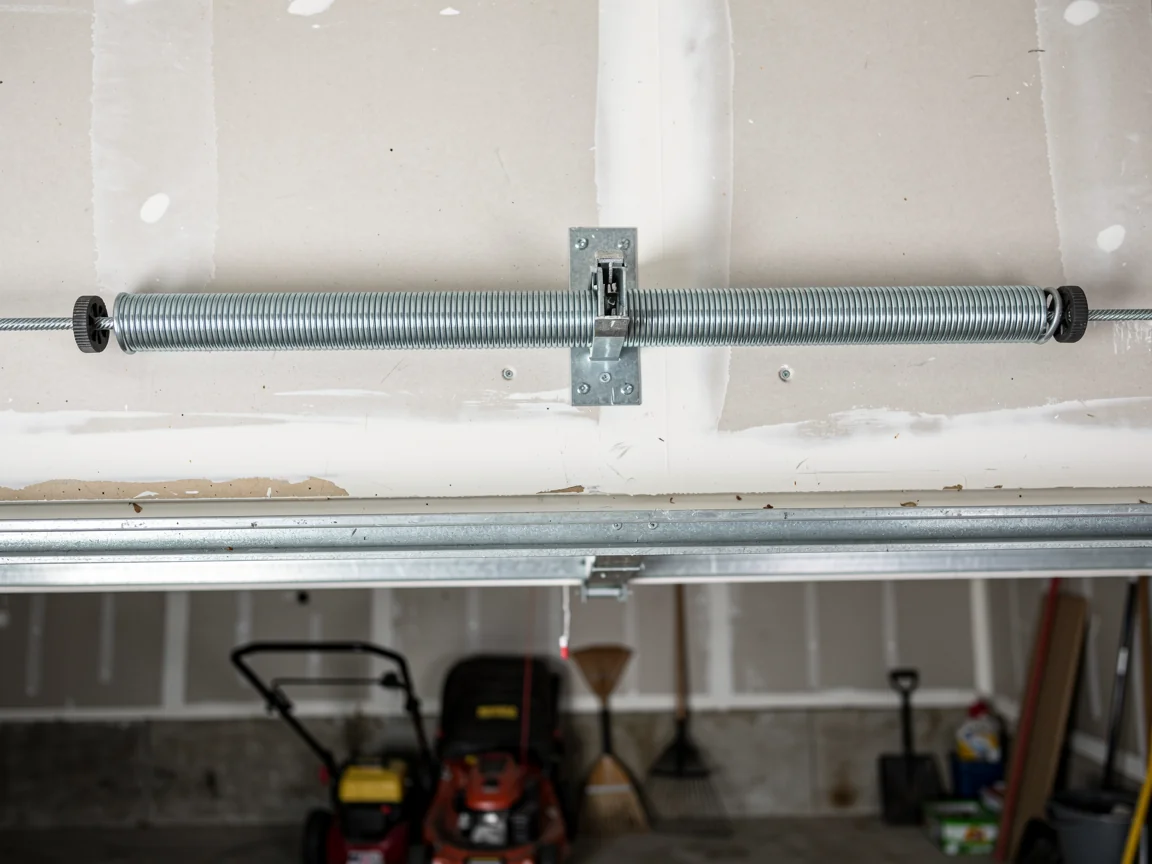
A torsion spring on a late-70s door usually fails the same way everywhere: a loud bang, the door won't lift past a few inches, or the opener strains and reverses itself.
Heavier panels load springs
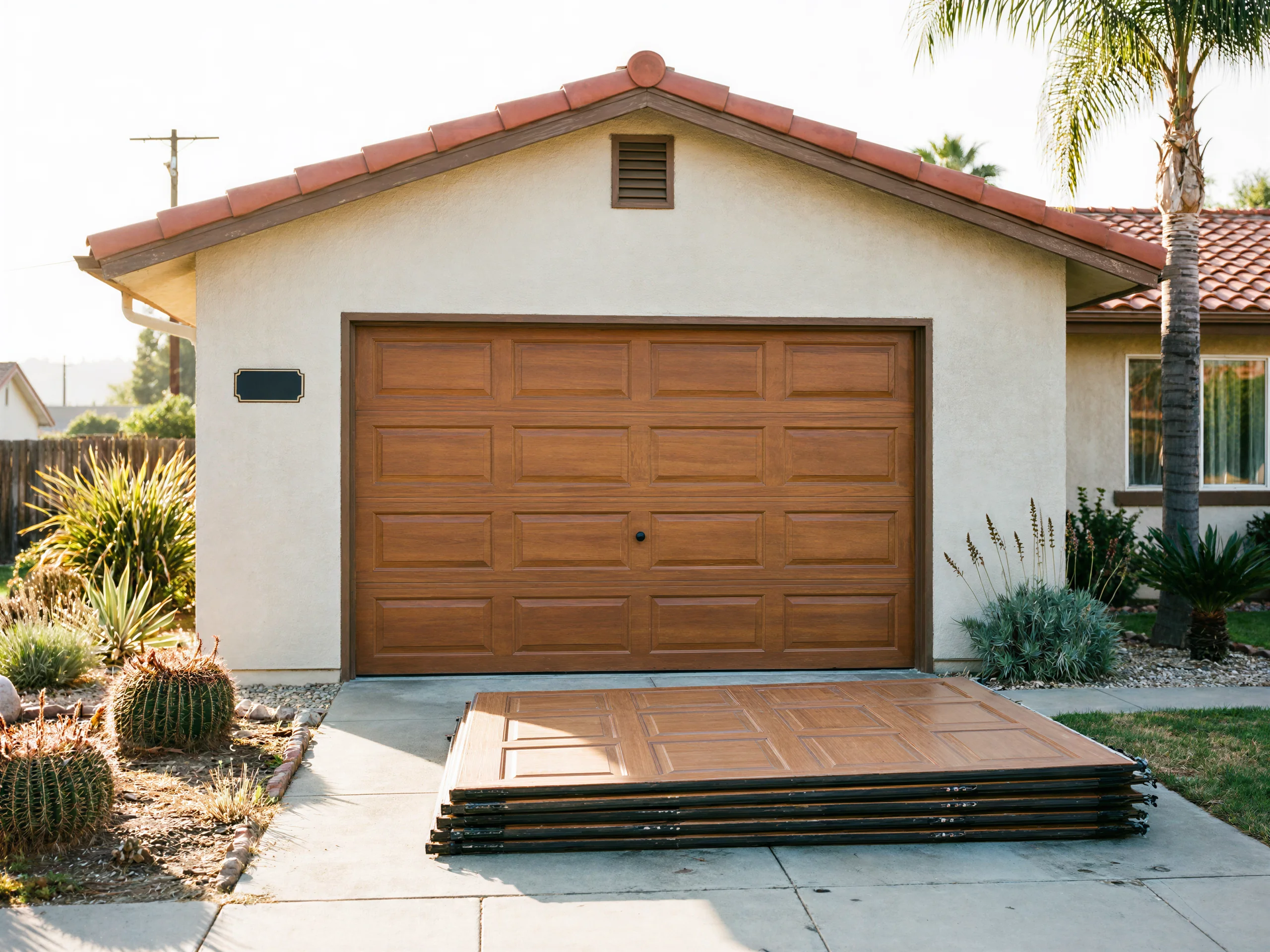
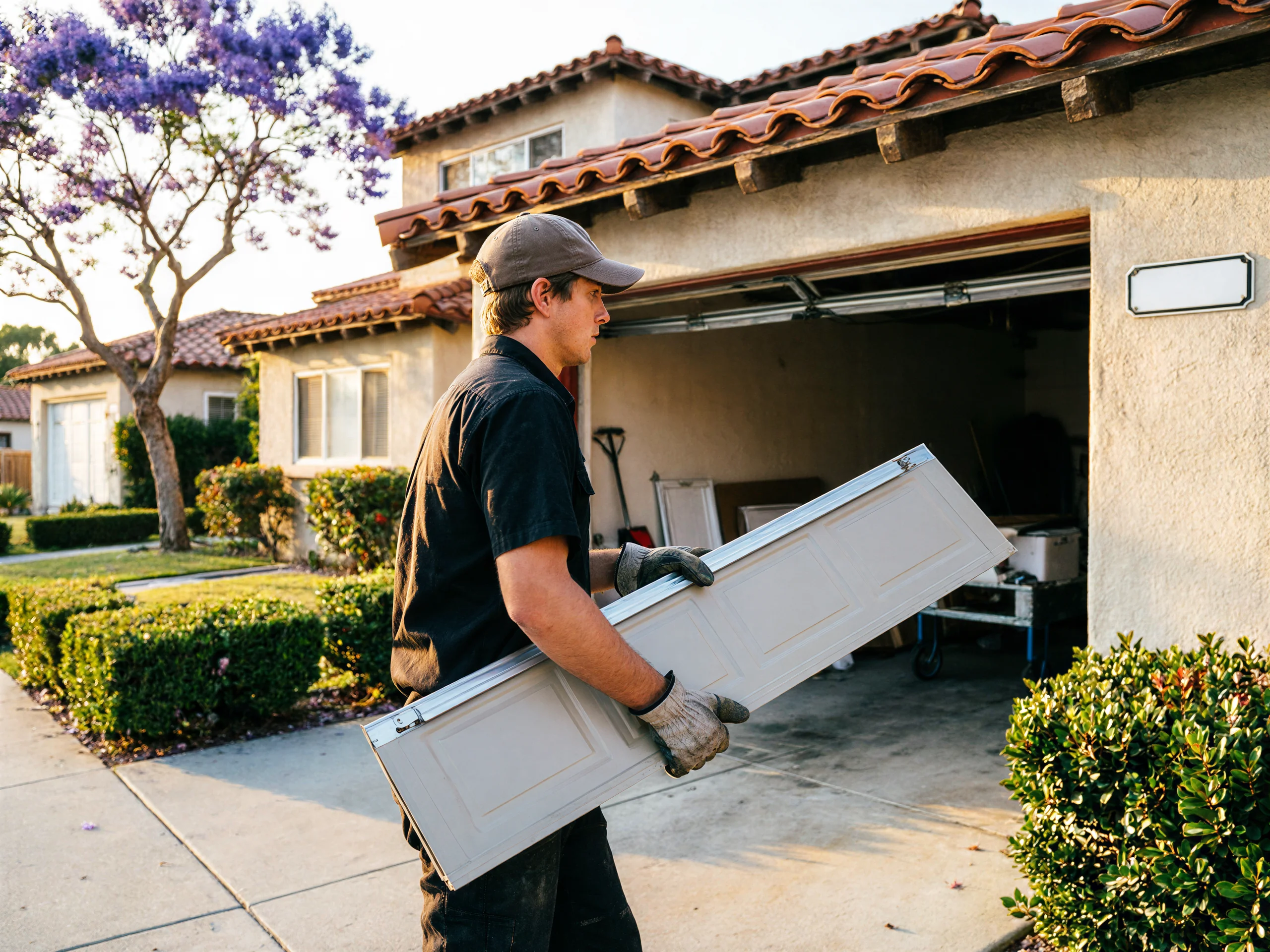
What's different in Diamond Bar is less about the symptom and more about what's attached to the spring. Doors from this era often run heavier insulated panels than the thin single-layer doors from the 1960s stock nearby, so when the spring goes, the door doesn't just stick - it can drop hard and fast because there's more weight with nothing holding it up.
UV wears spring coating
The area sits in a moderate heat climate band, so we're not dealing with freeze-related metal fatigue the way some regions do. What we do see is UV and heat-cycling wear on spring coating over years of direct garage exposure, which shows up as surface rust and coil fatigue well before a cold-climate spring would show the same wear.
What It Costs
We're not going to quote a number here that isn't accurate for your door, so we won't invent one. What drives the cost on a Diamond Bar job is mostly the spring type and the door size - a single torsion spring on a single-car door is a different job than two springs on a heavier double-car door from the later building stock common here. Median household income in Diamond Bar runs $106,602, a touch above the $105,104 average across the full service area, which tracks with the newer, often larger garage doors we see on these jobs. If you want an actual number, that comes from a look at the spring and door in person - not a phone guess.
Stocked Parts
We carry torsion and extension springs sized for the range of doors built across this service area, which spans houses from 1938 through 2007.
Covers both spring styles
That range covers the older extension-spring doors still common on earlier streets and the torsion setups more typical of Diamond Bar's later stock.
Oddball springs get ordered
We don't stock every spring made - some older or oddball doors use wind or wire gauges we have to order in, and if that's your situation we'll tell you up front instead of making you wait on a truck that doesn't have it. Most jobs on the 1970s-through-1990s doors common here, though, we handle off the truck the same visit.
How Long You Are Without the Door
We run this out of Chino, and Diamond Bar sits about 9 miles out, which is farther than some of the closer suburbs we cover. We're not going to promise a response window here - that's not something we'll put in writing without a real number behind it, and we don't have one for this page. What we can say is a broken spring doesn't fix itself and the door shouldn't be forced open or closed on a dead spring, especially the heavier insulated doors common in this area's later-built homes. Leave it closed, don't run the opener against it, and call.
What Can Go Wrong
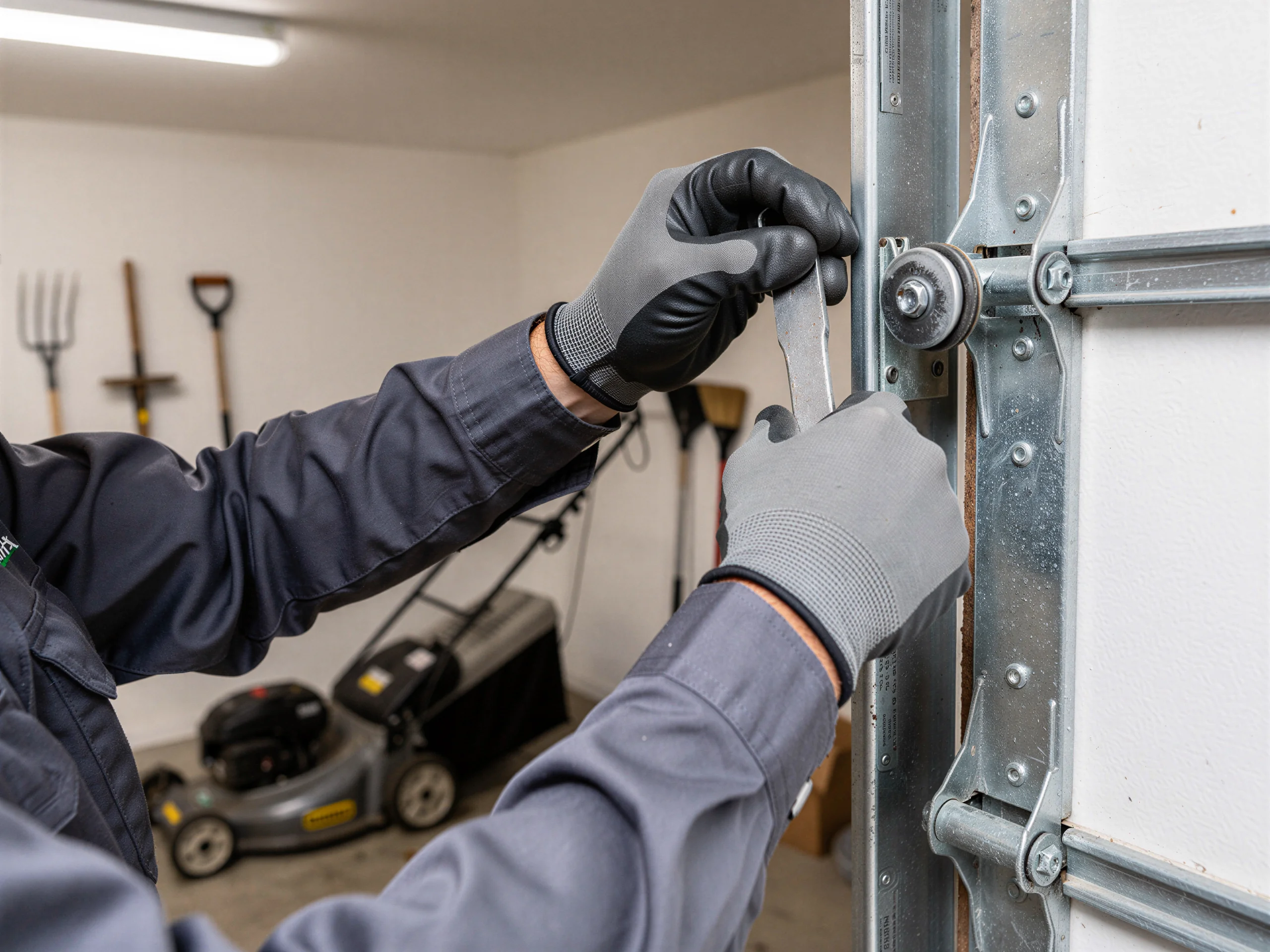
The most common mistake on a mixed-era area like this one is sizing the spring for the wrong door generation - putting a spring meant for an older, lighter door on a heavier late-70s or 80s panel, or the reverse. That under- or over-wound spring either fails again fast or puts uneven strain on the cables and drums. On double doors from this era, both springs usually need replacing together even if only one broke, since the other is carrying the same age and wear. And on any door this far from a straightforward single-spring single-car setup, we'd rather walk you through the actual hardware on-site than guess over the phone.
Why This Fails Locally
Diamond Bar's homes run younger than a lot of what we cover out of Chino. The median build year here is 1979, while the broader service area centers closer to 1972 with houses going back to 1938 and as new as 2007. That seven-year gap matters more than it sounds like. A door and spring setup specced for a late-70s build is a different animal than the 1960s hardware we see on the older streets in this area - different door weights, different track widths, often a different spring count on double-car openings. When a spring on a Diamond Bar door lets go, it's more likely torsion than the older extension-spring setups we still find on the pre-1965 stock elsewhere in the territory. That's not a guess about your specific house - it's what the build-year numbers tell us before we even load the truck. We still see both types out here, which is exactly why we don't show up guessing.
Talk to a local pro
Garage door service in Chino?
Same-day service with honest, upfront quotes.