Can You Do This Yourself
Swapping a single panel is more realistic as a DIY job than most garage door work, since you're not touching spring tension in most cases.
Bottom panel swap at home
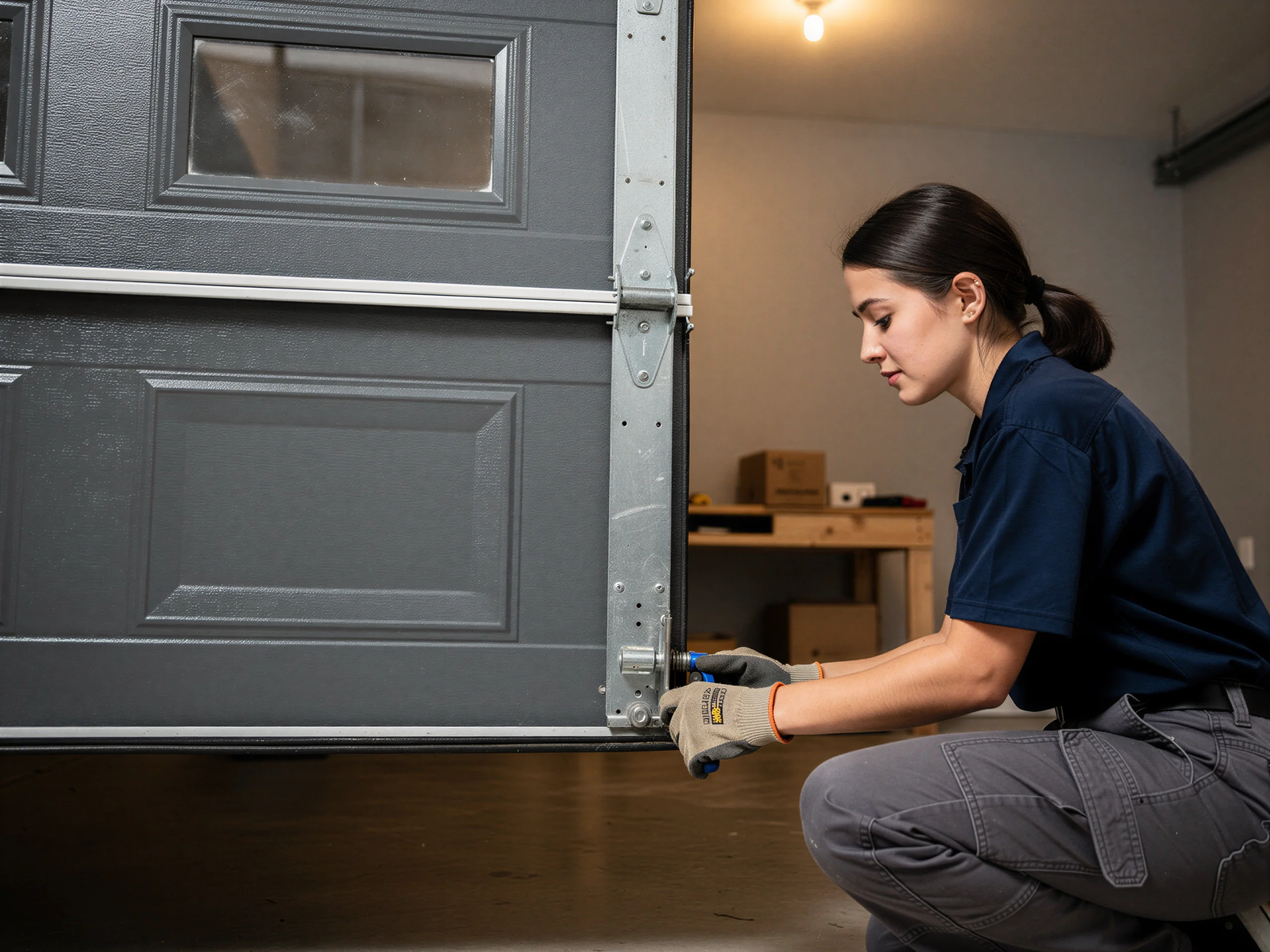
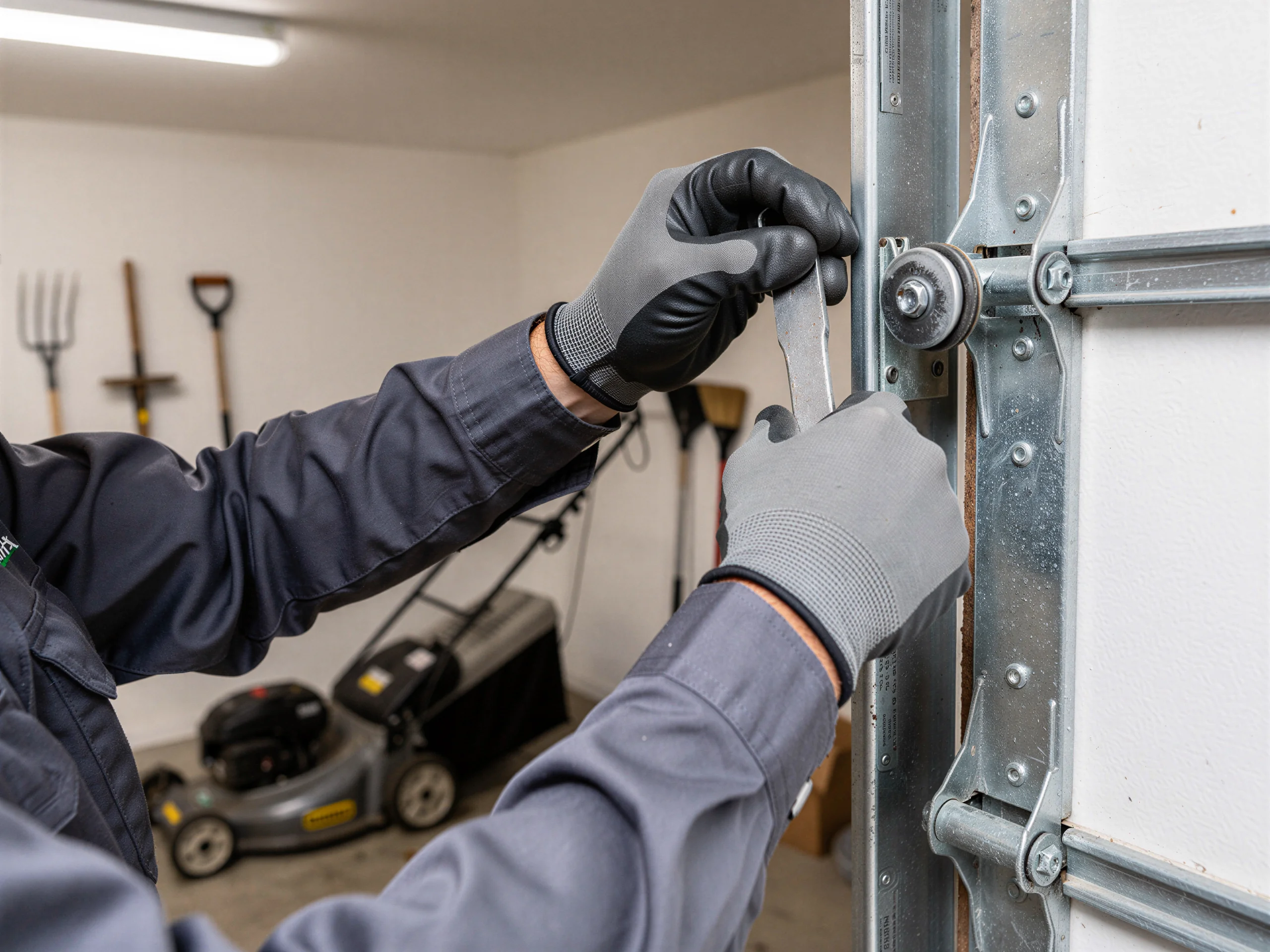
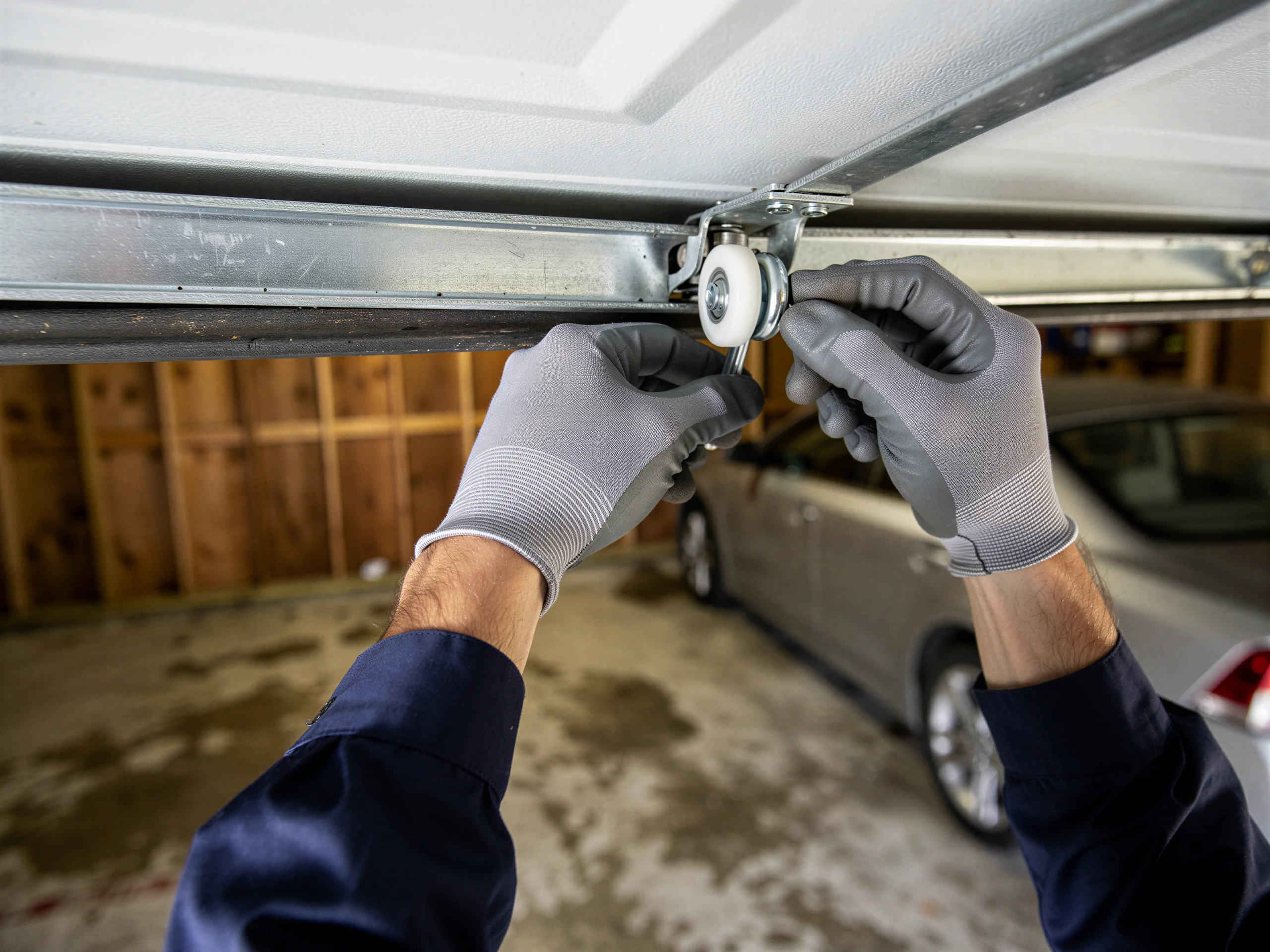
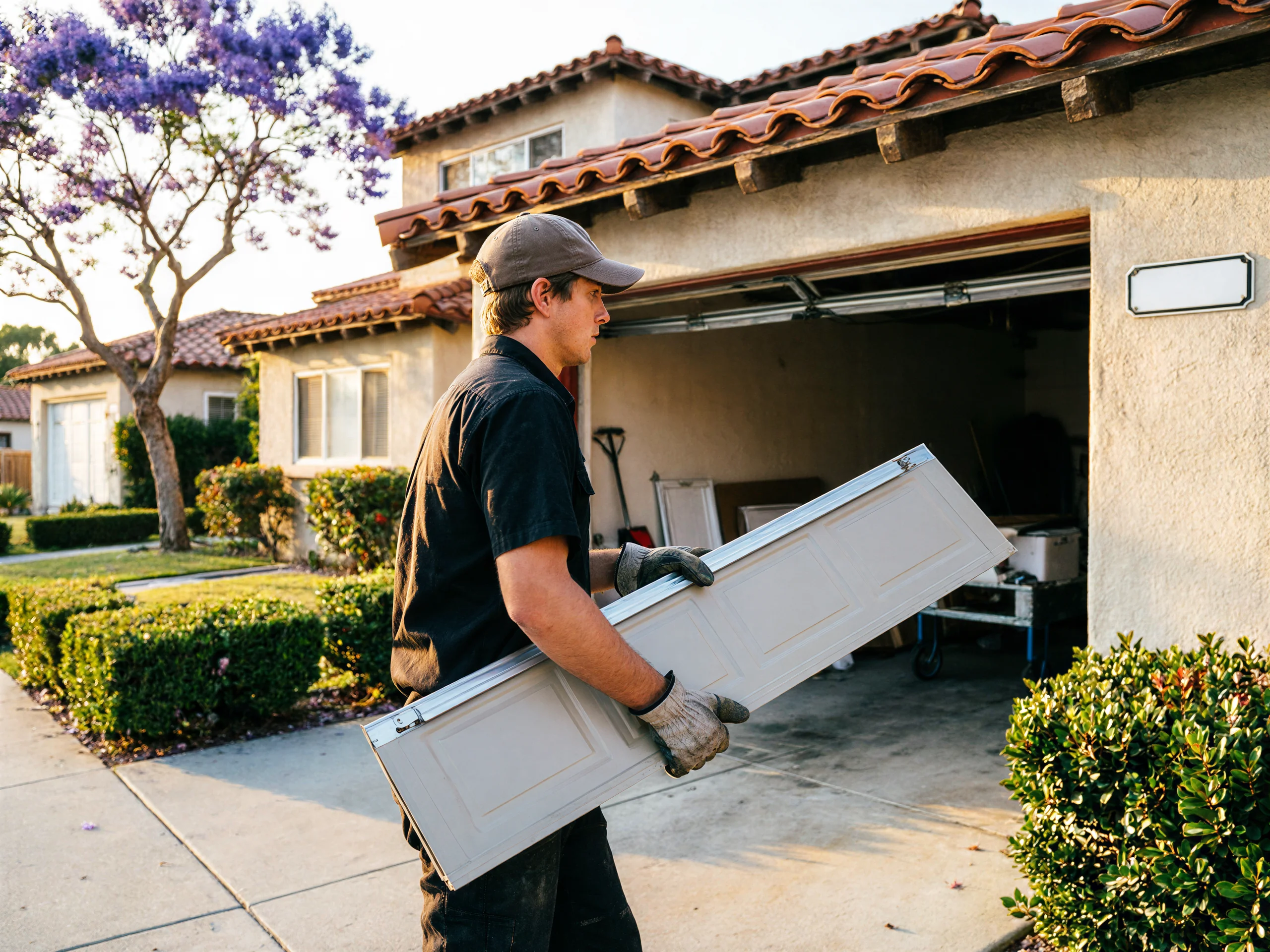
If the damaged section is a bottom panel without the spring-loaded hinges holding the full door weight, you can usually pull the hinge bolts, slide the old section out, and bolt in a replacement without disturbing the rest of the door.
Matching ribs and color
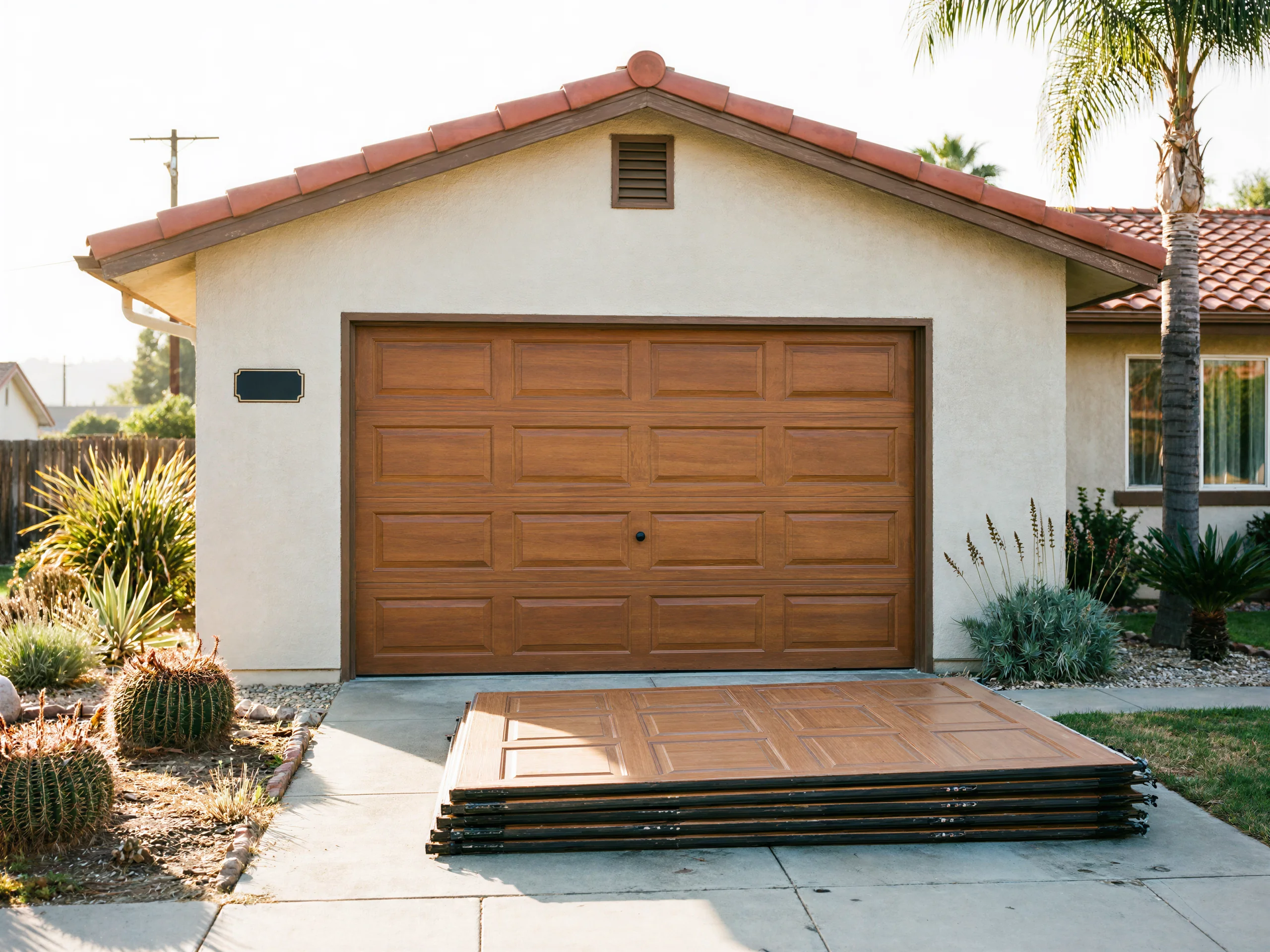
Where it goes wrong: matching the exact panel width, rib count, and color from a door built around 1980, and getting the hinge alignment right so the door doesn't bind in the track afterward.
Mixed hardware means calling
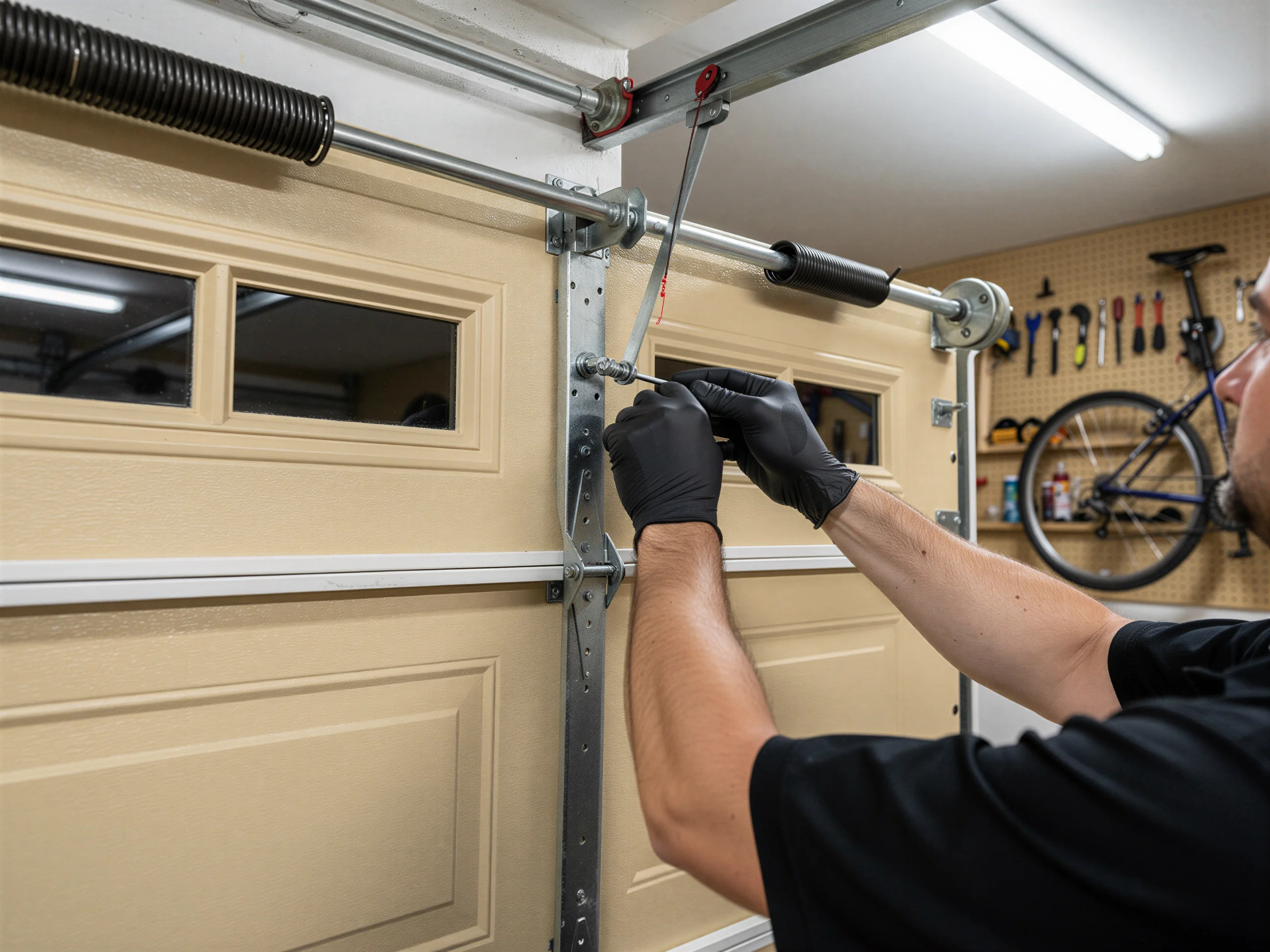
If the damaged panel sits in the middle of the door, or the door has a mix of worn and new hardware from a prior repair, we'd rather you call than fight it alone - a panel installed slightly out of square strains the rollers and opener on every cycle after.
What It Costs
We don't have a flat number to quote here, and we're not going to invent one. Panel cost depends on door brand, section height, color match, and whether the manufacturer still produces that profile - a door from 1980 might need a panel sourced through a distributor rather than off a shelf. What we can tell you is that a single-panel swap on a sound door is a smaller job than full door replacement, and most households in this income bracket (median around $96,190 locally) treat it as a repair, not a remodel. Get the exact number from a look at the door, not a phone guess.
How to Book
We run this job out of Chino, about 11 miles from Jurupa Valley, so a panel job here gets scheduled on the route rather than dispatched from a local branch - we don't have one in town.
Share brand and age
Call and tell us the door's brand if it's visible on the end stile, roughly how old the house is, and which panel took the hit.
Right panel first trip
That's usually enough for us to bring the right panel stock on the truck instead of making a second trip. See our Jurupa Valley service page for what else we handle out this way.
How It Shows Up
The heat here isn't severe enough to be the main driver of failure - this area sits in a moderate heat band, not the kind of extreme swing that cracks panels on its own. What you'll actually see is a dented or bowed section low on the door, usually from an impact, with the rest of the door still running true on the track. Sometimes there's a crack along a seam where a foam-backed panel took a hit at an angle instead of straight on. If the door is sticking or binding only near the damaged section, that's the panel pushing the track out of alignment, not a spring problem. If you're also comparing this against full replacement, our panel page for the main shop covers that side of the decision: garage door panel replacement in Chino.
Why This Fails Locally
Jurupa Valley's housing stock runs younger than the rest of the area we cover out of Chino. Across the wider service territory the median build year sits around 1972, with a lot of houses going up in the 1960s and 70s. Jurupa Valley skews later, with a median build year closer to 1980. That eight-year gap matters more than it sounds. Houses from the early 1970s often still carry original one-piece or early sectional doors with hardware nobody stocks anymore. Houses built around 1980 are more likely to have factory sectional steel doors with foam-backed panels, the kind where a single dented section can usually be swapped without replacing the whole door. The failure we see most in Jurupa Valley is a bottom or second-row panel caved in from a backed-into car or a rock thrown by a mower, not the full-door warp you get on older stock. The panel is damaged, the track and springs are usually fine, and the fix is narrower than it first looks. The risk is matching the panel profile - doors from this era came in several rib patterns and section heights, and a mismatch is obvious from the driveway.
Talk to a local pro
Garage door service in Chino?
Same-day service with honest, upfront quotes.