Can You Do This Yourself
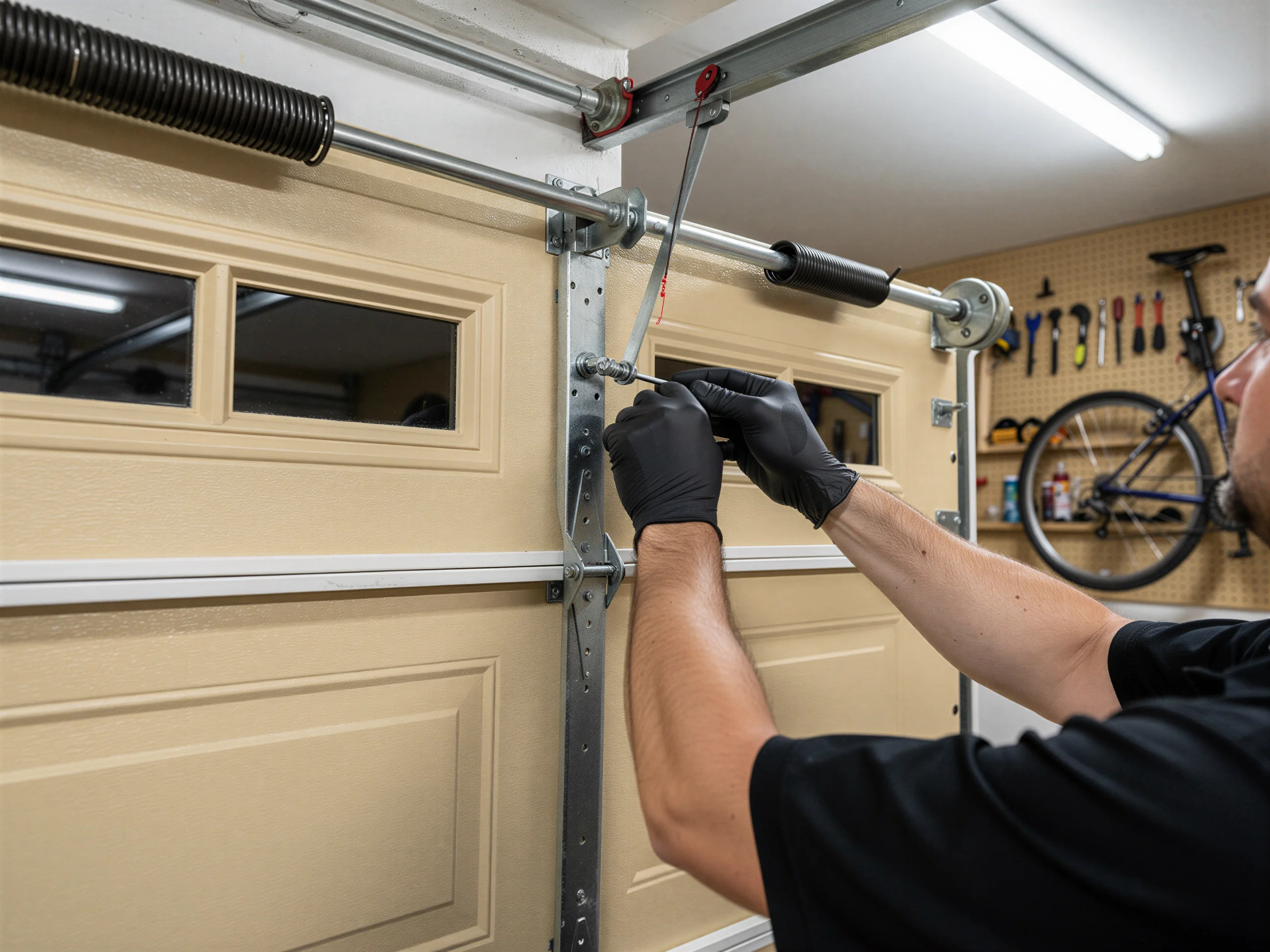
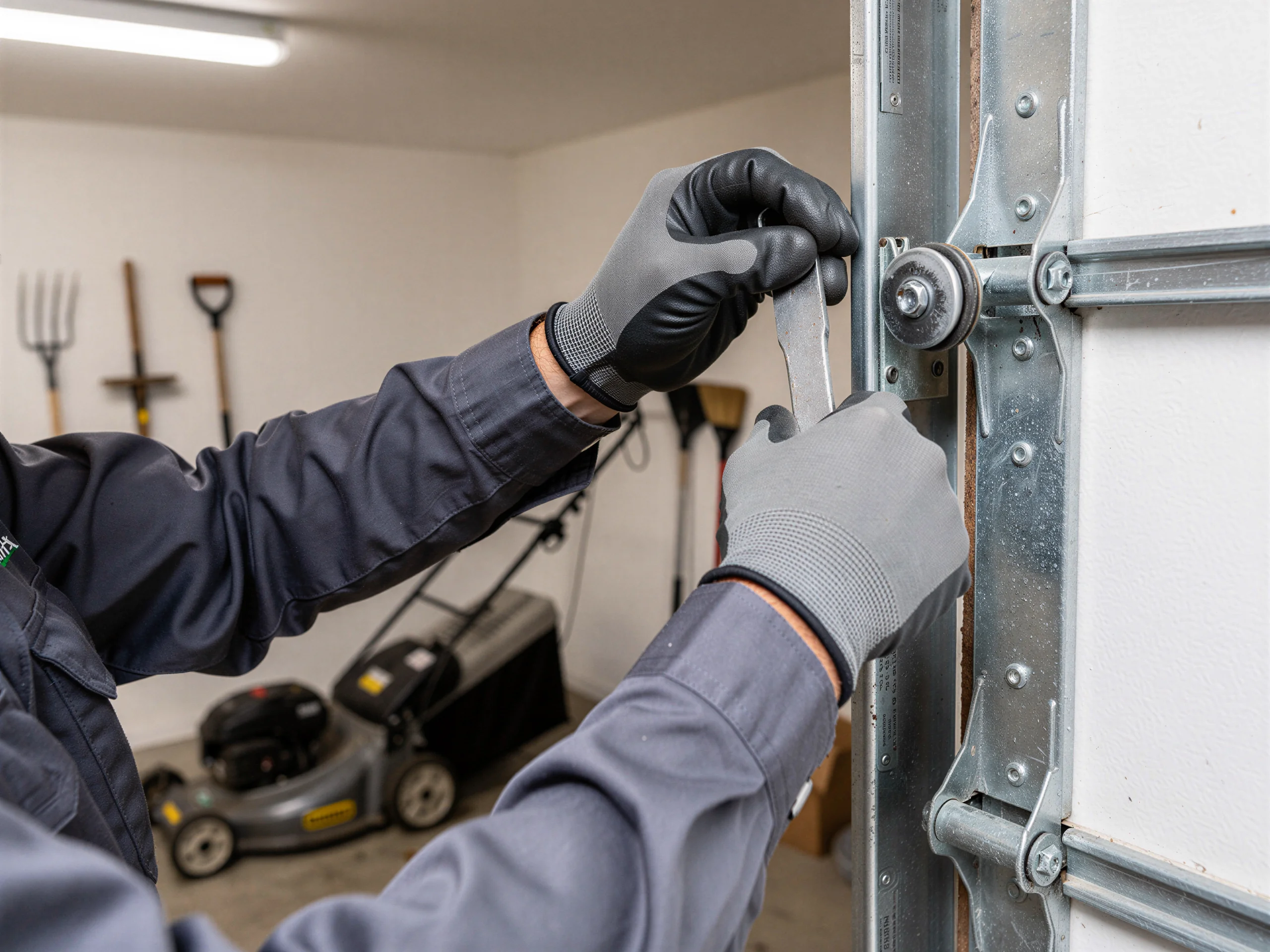
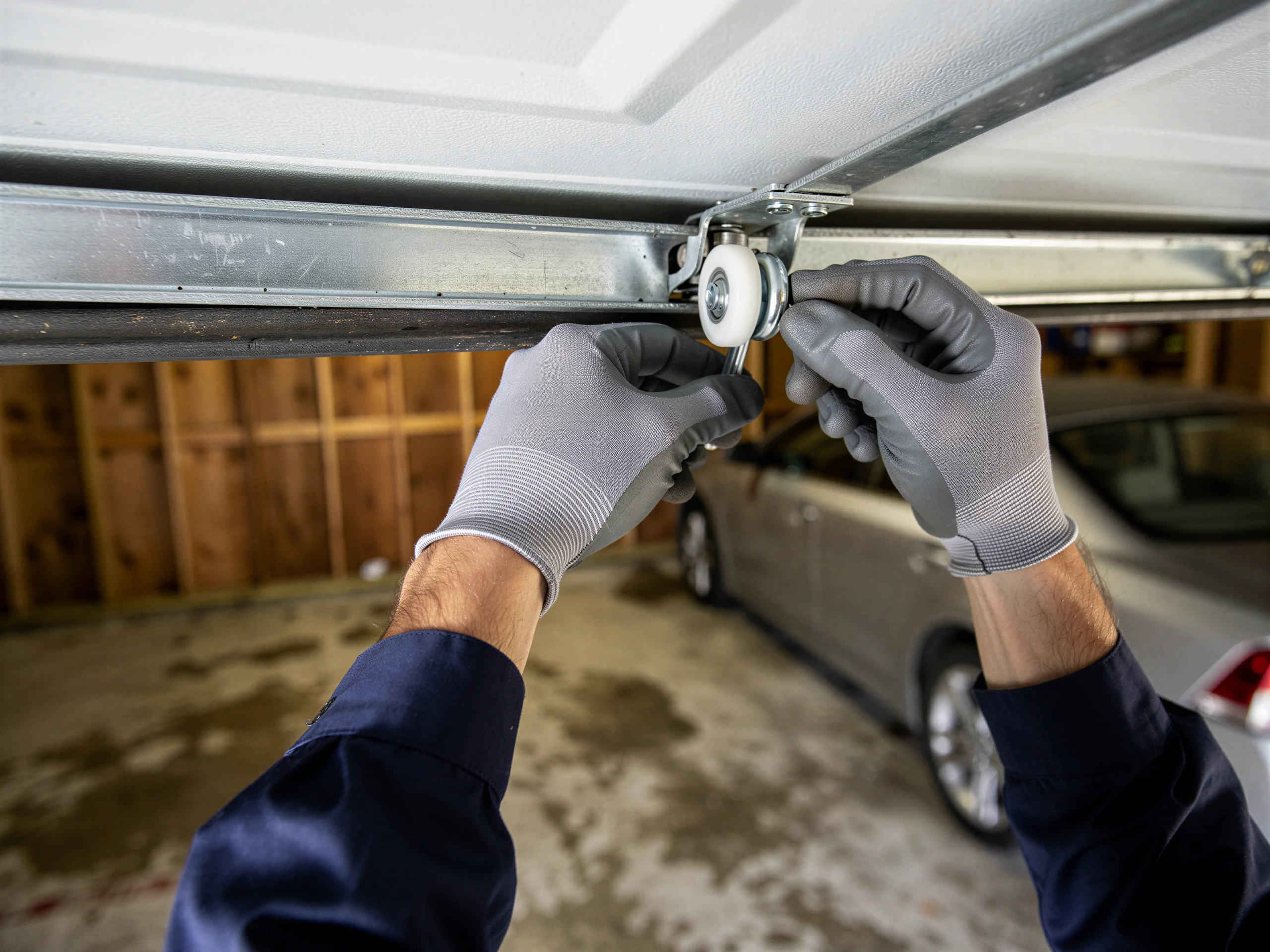
Swapping a single roller on a door that's already open and supported isn't a bad DIY job if you've got the right socket and you're not working under spring tension.
Bottom brackets hold tension
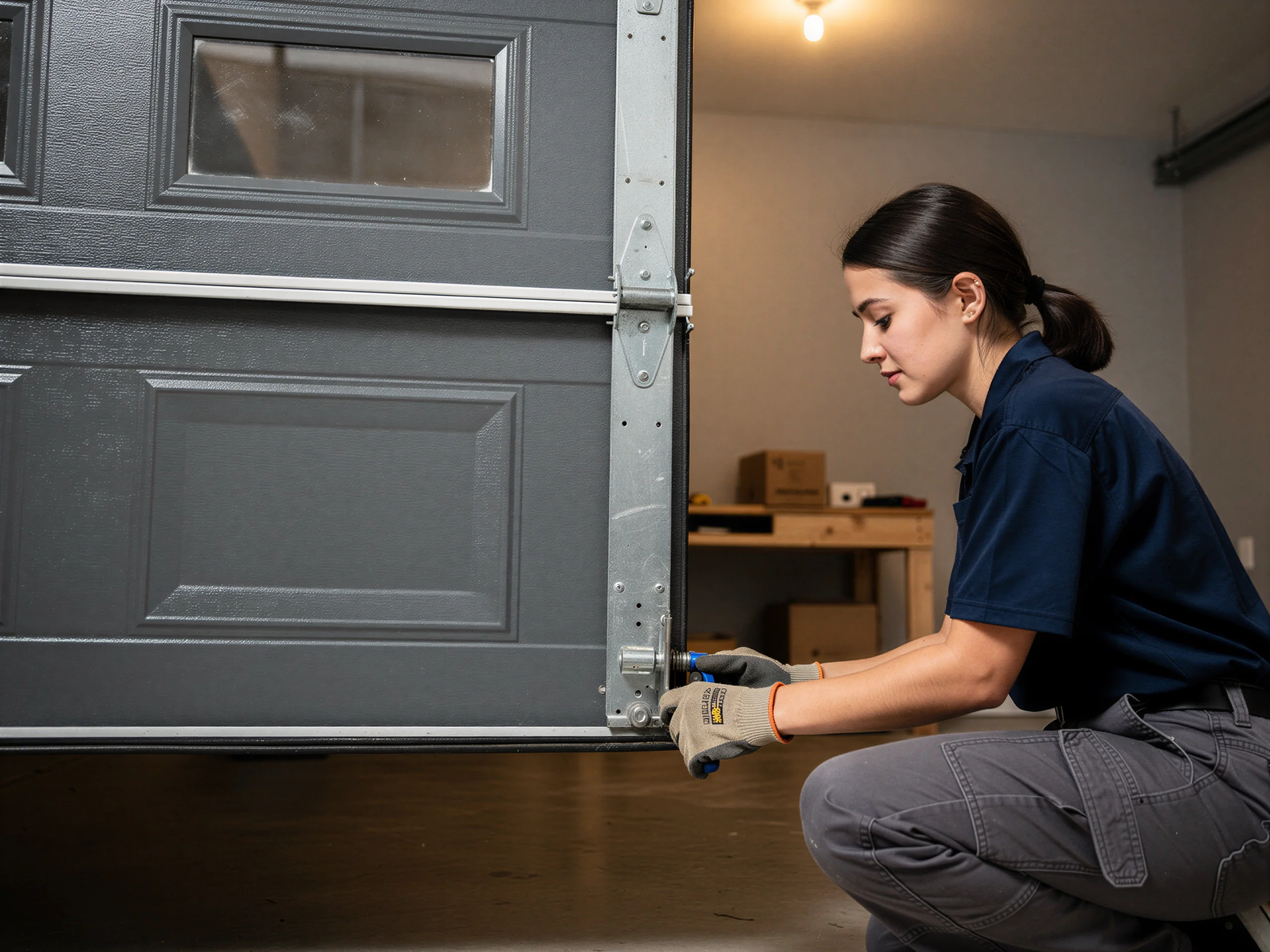
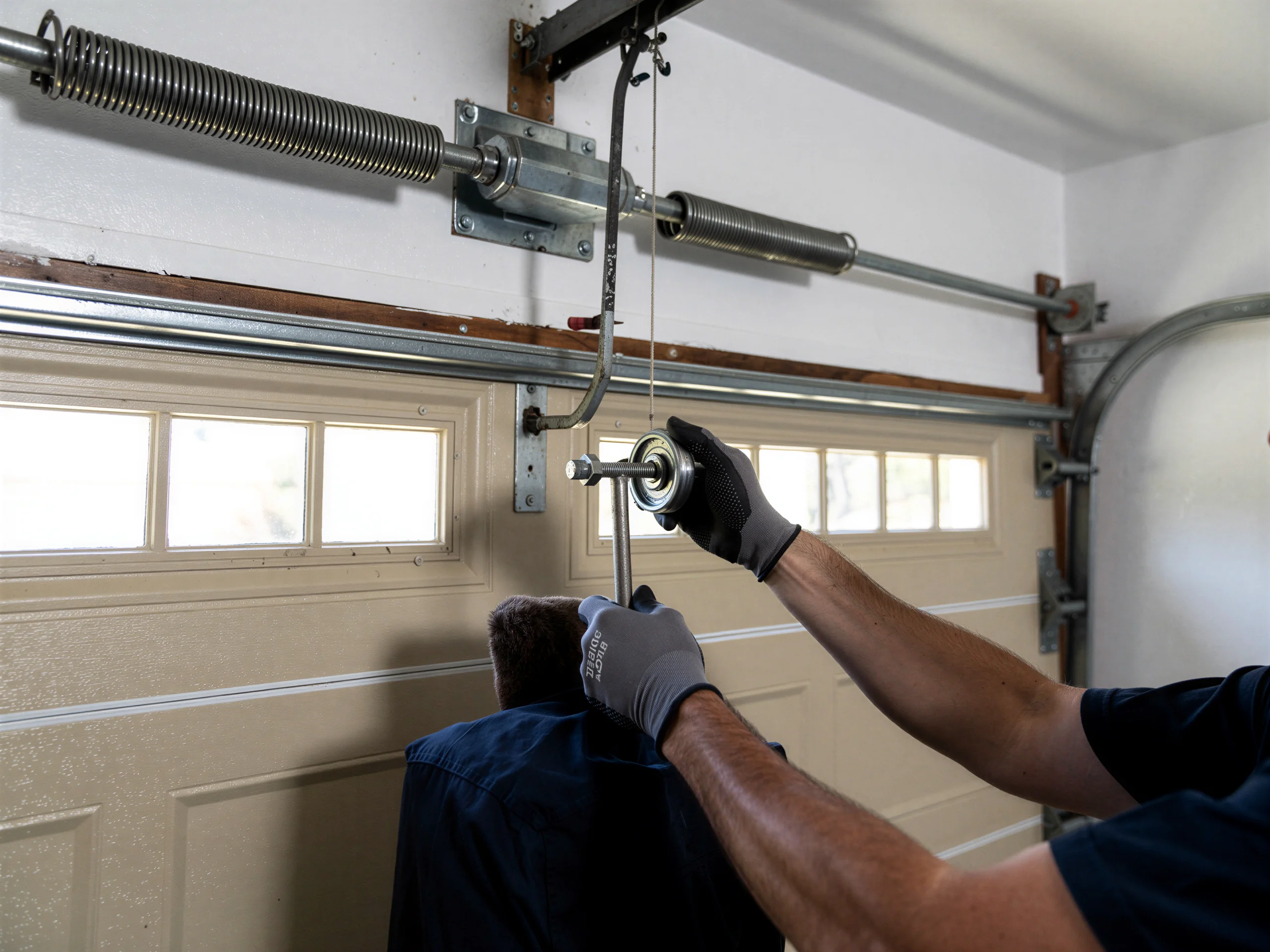
The bottom brackets on older steel doors are a different story - those are under cable tension and the bracket can come off with real force. If your door has a cable still attached to the bottom roller bracket, that's not a solo job.
Many worn rollers signal track
The honest limit here: if more than two or three rollers on one side are grooved or chipped, you're not looking at a roller swap anymore, you're looking at a track that's been wearing unevenly for years, and replacing rollers without checking the track just buys you another service call in six months. We'll tell you straight if that's where your door is before we start pulling anything apart.
What It Costs
We don't have a Jurupa Valley-specific number to quote on this page, and we're not going to make one up. What we can tell you is that the job scope is the same whether the truck starts 4 miles away or 11: parts, labor, and whether the track needs attention alongside the rollers. Steel rollers cost less than nylon up front; nylon costs more but runs quieter and doesn't score the track the way steel does over time, which matters if your track already shows wear from the originals. Ask for the breakdown on the call so you know what you're paying for before the truck leaves Chino.
How to Book
We cover Jurupa Valley from our Chino location, 11 miles out, so there's no local branch to call - you're booking a visit, not a drop-in.
Noise pattern guides prep
Tell us the door's noise pattern (grinding on the curve, popping at the top, shaking at the bottom) and roughly how old the door is if you know it, since that tells us a lot before we even see it.
Direct roller booking option
You can start from the Jurupa Valley garage door service page if you want to see what else we handle out this way, or book the roller job directly and we'll confirm a time that works with the drive.
How It Shows Up
On a 1980-built house, the sequence is usually the same: a faint squeal that everyone ignores for a few months, then a grinding sound specifically where the track curves from vertical to horizontal, then a visible wobble in the door panel as it travels. By the time you can see the roller groove from across the garage, the track edge nearest that roller is usually peened or chipped too.
One thing worth knowing before we show up: a door that's been grinding for a long time sometimes has a bent track section, not just worn rollers, and that's a repair the rollers alone won't fix. We'll check both while we're there rather than replace rollers on a track that's going to keep chewing up the new ones.
Why This Fails Locally
The complaint we hear most from Jurupa Valley is a grinding or popping noise right as the door passes the bend in the track, not at the bottom and not at the top. That's steel rollers on steel track, and it's the setup you'll find in most of the roughly 27,132 households here, because the area's housing stock centers on 1980, a decade later than the wider service area's median build year of 1972. Builders in that stretch used plain steel rollers with no nylon sleeve and no sealed bearing, because that's what cost the least to spec at the time. They were never meant to run thirty-plus years without attention.
The steel-on-steel combination also telegraphs vibration straight into the frame, so a door that's merely loud at first starts to shake the header over time. Add the area's moderate heat band and the factory grease on those original rollers dries out faster than it would in a milder microclimate, which is part of why the noise shows up earlier here than a straight age comparison would suggest. By the time a homeowner calls, the rollers usually aren't just noisy - they're grooved, and the groove is chewing into the track edge.
Talk to a local pro
Garage door service in Chino?
Same-day service with honest, upfront quotes.